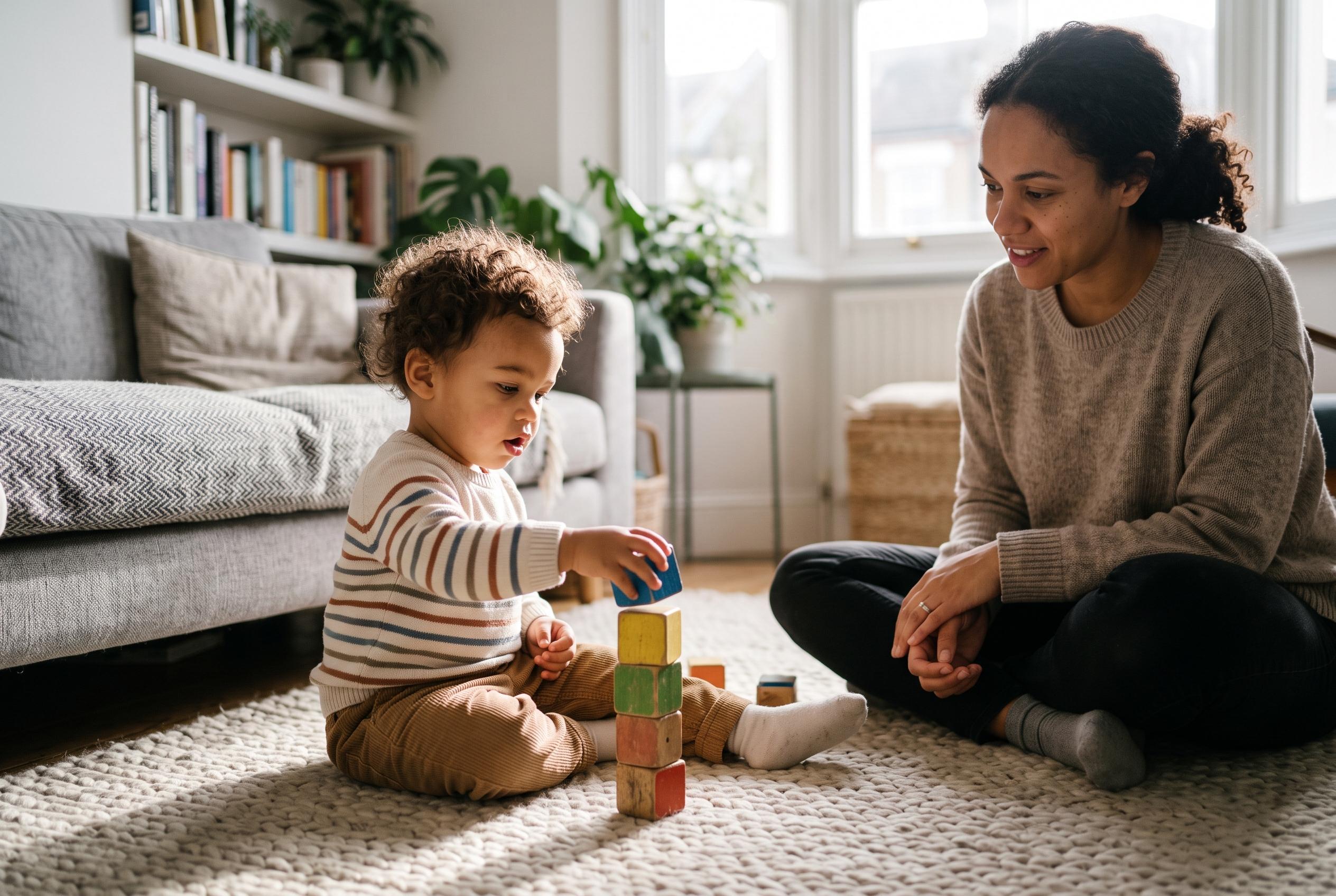

Parents are advised not to panic over minor speech errors but to remain vigilant for clear delays, as early assessment and intervention can significantly improve outcomes for children showing developmental signs of speech delay.
Parents do not need to panic if a toddler is not speaking perfectly, but they should not ignore a clear delay. Nezavisne reported that speech development starts at birth, with early vocal sounds gradually becoming words, understanding and clearer expression. By around age two, many children should already be using words in a way that is broadly expected for that age, and a lack of speech at that point can justify a check-up with a speech and language therapist.
Specialists say there are simple signs that can point to a need for assessment. These include limited babbling or communication, a small range of consonant sounds, little attempt to copy words, few gestures such as pointing or waving, trouble understanding what is said, difficulty playing and interacting with other children, or a family history of speech, language or learning problems. Boys Town National Research Hospital, Kaiser Permanente and Johns Hopkins Medicine all say missing early language milestones can be an important warning sign, and that early assessment matters because intervention is usually more effective when it starts sooner rather than later.
At the same time, not every sound error is a problem. Nezavisne notes that two-year-olds often do not pronounce every word correctly, and that dropping unstressed syllables or the final consonant can still be part of normal development. Cleveland Clinic says that by age three, a familiar listener should understand most of what a child says, while the article published by Nezavisne says speech should be understandable to nearly everyone by age four. If pronunciation problems continue beyond the third birthday, it is sensible to seek professional advice.
Parents can also help by modelling the correct word instead of criticising mistakes. If a child says a word incorrectly, the better response is to repeat it naturally in the right form, giving the child a clear example to copy. Everyday play can also support speech: clapping rhythms, repeating simple syllables and imitating sounds from the environment all help children listen, copy and practise language, according to the advice in Nezavisne and the wider guidance from speech and language specialists.
Disclaimer: This content is for informational purposes only and is not intended to be a substitute for professional medical judgment, advice, diagnosis, or treatment.