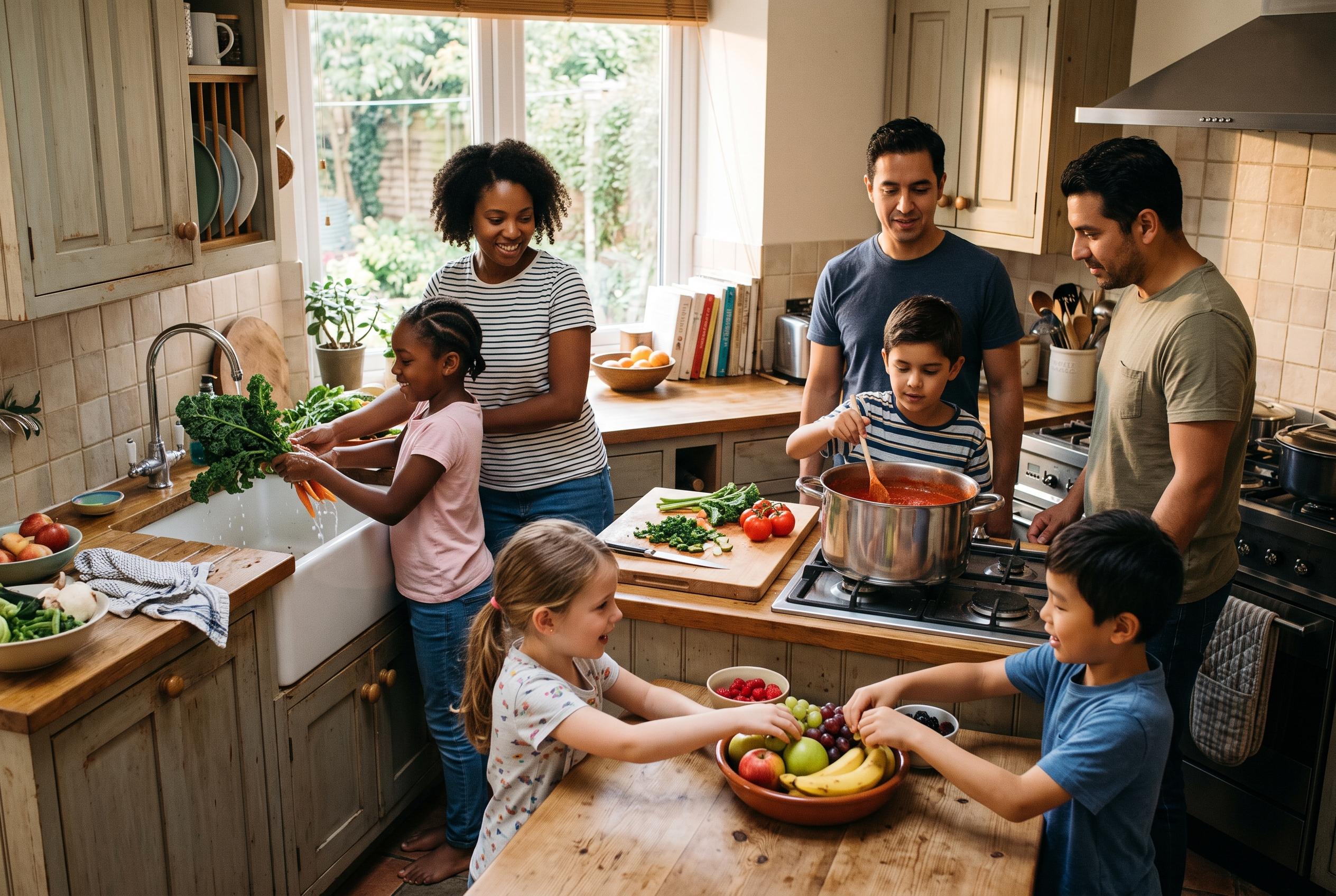

Michaeleen Doucleff’s latest book advocates for embracing traditional parenting practices, encouraging children to take on more responsibility and fostering stronger family and community bonds to counteract modern reliance on screens and processed snacks.
Michaeleen Doucleff has built a reputation for challenging the tidy, anxious style of modern parenting, and her latest message is even more pointed: children, she says, may need more freedom, more responsibility and far less hand-holding. In New York, while discussing her new book, “Dopamine Kids”, Doucleff argued that many families have drifted too far from the kind of daily life that once gave children confidence, practical skills and a stronger sense of belonging.
Her thinking draws heavily on the parenting practices she has studied in ancient and traditional cultures, where children are expected to contribute to family life from an early age. Doucleff has long promoted child autonomy, and she now extends that argument to ordinary household tasks, even those many parents would instinctively avoid. She has said children should be trusted around fire and knives under proper supervision, presenting such skills as tools for independence rather than hazards to be eliminated at all costs.
The book centres on what Doucleff sees as two of the biggest forces shaping children’s behaviour today: screens and ultra-processed foods. According to her website and book listings, “Dopamine Kids” sets out a five-step method aimed at helping families reduce dependence on both, while replacing them with routines that encourage real satisfaction, curiosity and better mood. The book also outlines ways to create screen-free spaces at home and protect sleep, focus and family connection.
That message is rooted in a broader critique of the way many households now operate. Doucleff has said she wants families to build a home environment that makes it easier to choose healthy habits, rather than relying only on willpower. She has also linked that approach to a more communal model of living, one she and her family embraced when they moved to rural Texas, where she said daily life felt more grounded in community and independence.
Even so, Doucleff’s argument is not a call for nostalgia alone. Her work presents itself as science-backed and practical, aiming to help parents understand why children are pulled so strongly towards devices and highly processed snacks, and how those patterns might be changed. At its core, the message is straightforward: if children are given fewer artificial rewards and more real-world responsibility, they may become calmer, more capable and more confident.
Disclaimer: This content is for informational purposes only and is not intended to be a substitute for professional medical judgment, advice, diagnosis, or treatment.