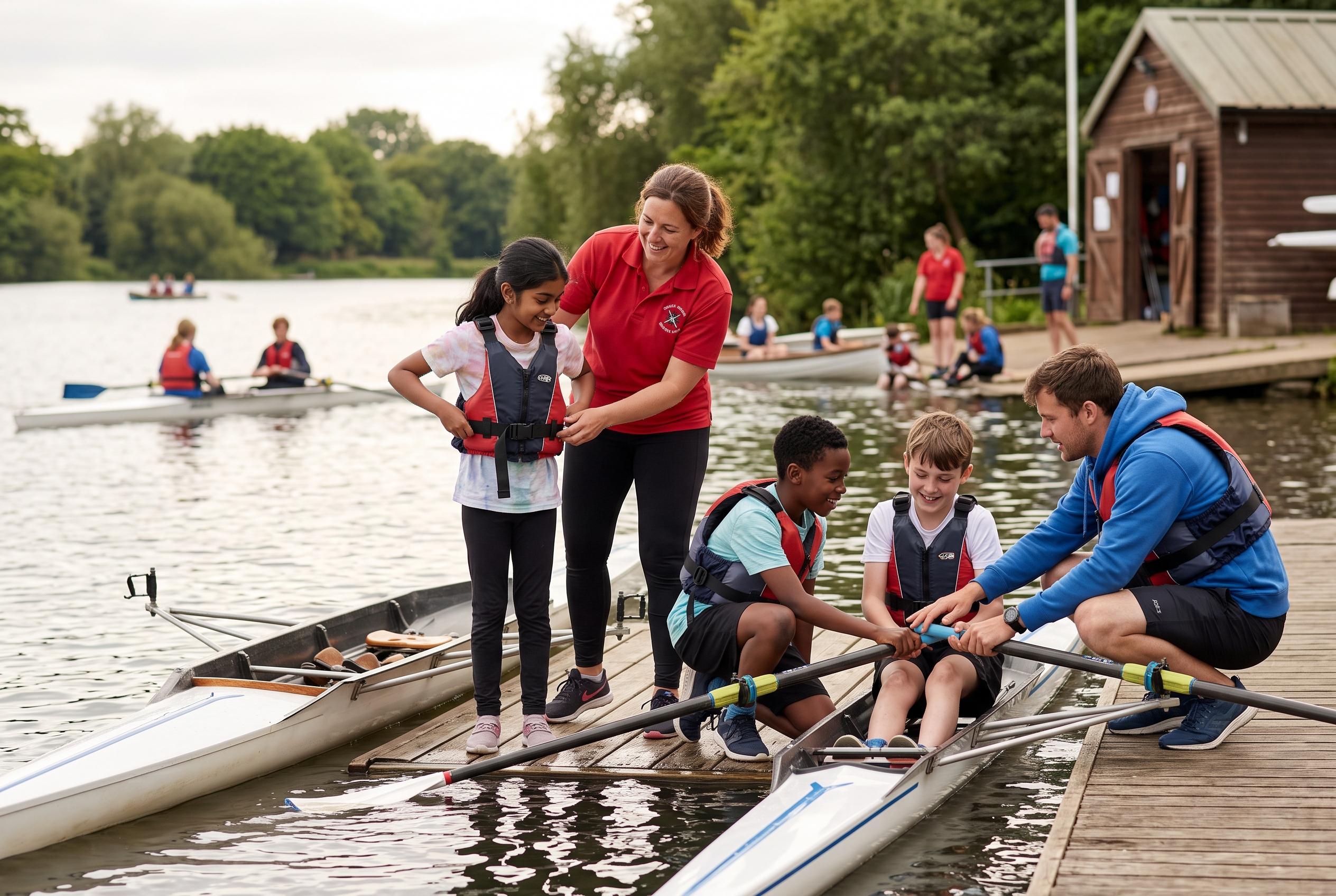

Record numbers of young athletes are entering junior rowing events, highlighting growth but raising concerns over early specialisation, overtraining, and the risk of burnout. Experts advocate for a balanced approach prioritising fun and safety over performance at any cost.
Junior rowing is more competitive than ever, and that is both a sign of growth and a cause for concern. Record entries at major events this year suggest the sport is attracting more young athletes than at any point in recent memory, while the standard at the top end continues to rise. Yet British Rowing’s own guidance makes clear that junior participation should be about far more than medals and rankings, stressing that young rowers should “have fun and stay safe” and that coaches should put the needs of children before results.
The shift is not unique to rowing. Across junior sport, specialisation is beginning earlier, training loads are rising and seasons are stretching further into the calendar. What used to be a simple after-school activity is increasingly managed like an elite programme, with teenagers juggling school work, recovery, competition and the pressure to improve almost constantly. That intensity can help some athletes thrive, but it can also push others out of the sport altogether.
British Rowing’s development guidance reflects that tension. Its junior rowing materials recommend a phased introduction to the sport, beginning with movement skills in primary school and progressing towards on-water and indoor rowing in secondary school. The organisation also provides advice on how much training is appropriate at different stages of development, a signal that it sees overtraining as a real risk rather than a theoretical one. Its wider athlete-health resources and junior-development pages also place mental health, safeguarding and safe participation at the centre of the sport’s culture.
That caution is well founded. Excessive training with too little recovery can lead to burnout and to RED-S, a medical condition linked to inadequate energy intake and poor recovery that can harm developing athletes. Burnout tends to build over months and years, not just one hard block of sessions, and British Rowing has acknowledged concerns about athletes burning out before under-18 level. In that context, the real issue may not be that junior rowing has become too serious, but that performance has become the only yardstick that matters.
There is another model. In Norway, youth sport is shaped more by the idea of idrettsglede, or the joy of sport, than by early hyper-competition. The aim is to keep children involved, healthy and socially connected rather than locked into a narrow performance pathway. That approach has helped retain teenagers in sport for longer and has produced athletes who peak later, not sooner. For rowing, the lesson may be simple: the best junior programme is not the one that creates the most precocious results, but the one that keeps young people in the boat long enough to still love the sport when selection decisions and erg scores no longer define it.
Disclaimer: This content is for informational purposes only and is not intended to be a substitute for professional medical judgment, advice, diagnosis, or treatment.