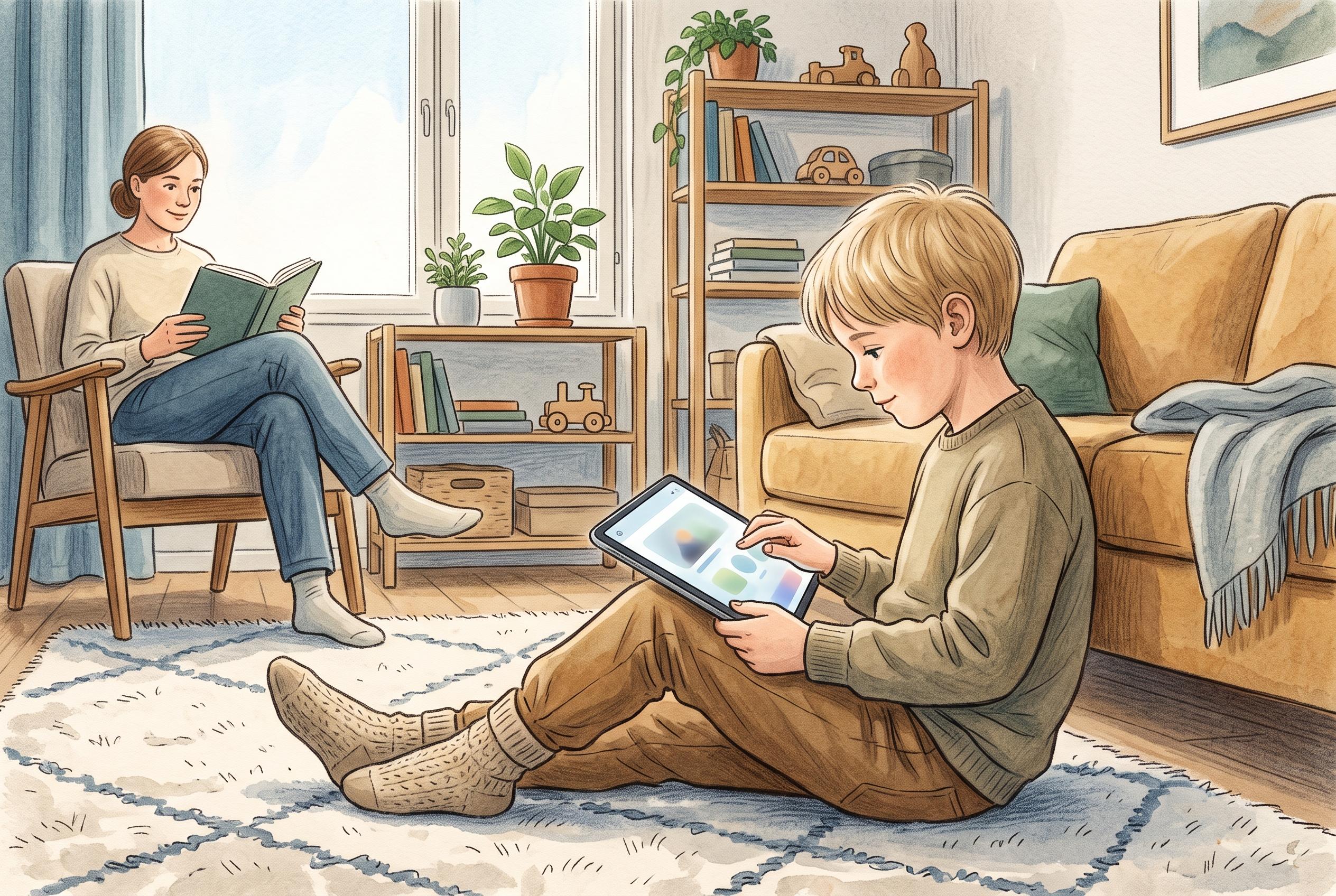

A Finnish study demonstrates that internet-based cognitive behavioural therapy programmes can provide sustained relief for children with anxiety, with benefits lasting at least two years and influencing everyday routines.
A Finnish study suggests that an internet-based cognitive behavioural therapy programme may help children with anxiety not just in the short term, but for years afterwards.
According to research published in JAMA Network Open on 14 August 2026, 465 children aged 10 to 13 were randomly assigned to either the “Master Your Worries” online programme or digital psychoeducation, a form of online information and support. After two years, the children who received the therapy showed better anxiety scores than those in the comparison group, with benefits seen in reports from both children and parents. The researchers said the effect appeared to build between six and 12 months and was still present at 24 months.
Andre Sourander, of the University of Turku, said in a statement that the lessons learned in cognitive behavioural therapy can gradually become part of a child’s daily life and the wider family routine, which may help the gains last long after treatment ends. The study’s findings also showed improvements across anxiety subtypes, including social anxiety.
The latest results add to a growing body of evidence that internet-delivered therapy can work for childhood anxiety. A previous randomised trial published in the Journal of the American Academy of Child and Adolescent Psychiatry in November 2025 found that the same programme, when paired with telephone coaching, reduced anxiety symptoms in Finnish children aged 10 to 13 compared with a wait-list control group. Earlier studies, including research in the Journal of Pediatric Psychology in 2009 and Behaviour Research and Therapy in 2016, also reported that online cognitive behavioural therapy could ease symptoms in anxious children and teenagers.
A 2015 systematic review and meta-analysis in the Journal of Anxiety Disorders, which pooled 14 studies and more than 1,000 participants, found that internet-assisted cognitive behavioural therapy was effective for children and adolescents, with therapist support and age influencing how well it worked. Together, the studies suggest that online treatment may be a practical option for families who might otherwise struggle to access in-person care, though the new findings are still based on a single trial and do not mean every child will respond the same way.
Disclaimer: This content is for informational purposes only and is not intended to be a substitute for professional medical judgment, advice, diagnosis, or treatment.