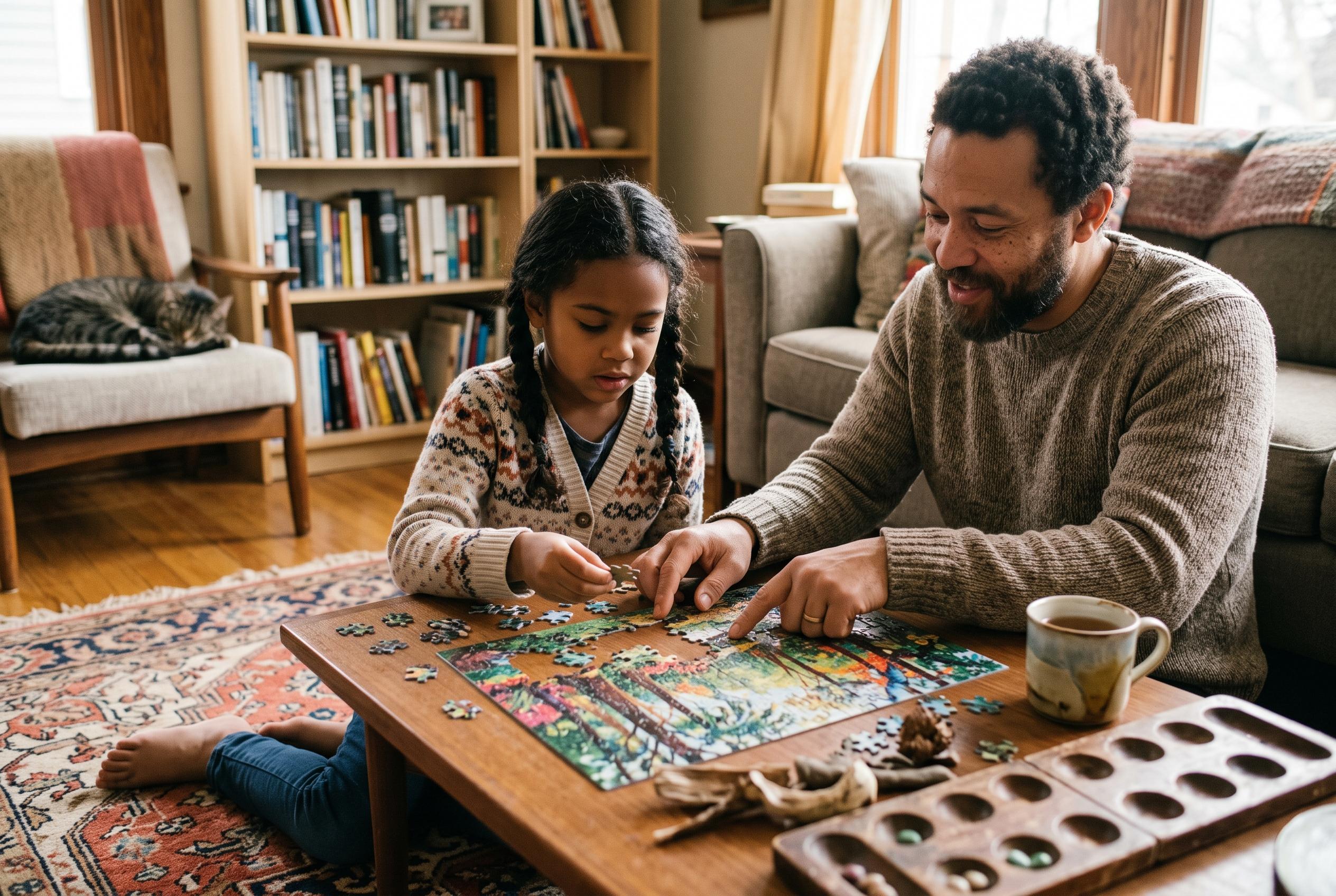

Experts emphasise the importance of allowing children to experience minor disappointments to build resilience, recommending calm, empathetic responses and modelling graceful losing to foster emotional growth and future coping skills.
Children do not experience disappointment in proportion to adults, and that is exactly why small setbacks matter. A lost board game, a missed goal or a second-place finish can feel enormous in the moment, even when the event is minor. The lesson is not to erase those feelings, but to help children learn that frustration can be survived, expressed and eventually put in perspective.
Experts say one of the most useful things parents can do is allow low-stakes losses to happen. Cleveland Clinic advises talking about winning and losing before a game begins, while Strong4Life recommends using everyday moments to practise coping skills. Shielding children from every disappointment may spare a few tears now, but it also removes the chance to build resilience for bigger moments later, from school setbacks to social rejection.
How adults respond matters as much as the loss itself. PBS KIDS says children benefit when parents listen first, empathise with the emotion and resist the urge to immediately solve the problem. The same guidance appears across child-wellbeing advice: do not dismiss the upset, do not compare one child with another, and do not try to lecture in the middle of a meltdown. When feelings are running high, children are rarely ready for a lesson in sportsmanship.
Instead, the most effective approach is calm, steady and repetitive. Children can learn from adults who model graceful losing, acknowledge disappointment without making it larger than it is, and praise specific good behaviour when it happens. The Centre of Excellence for Infant and Early Childhood Mental Health Consultation encourages parents to help children name emotions, while Scholastic recommends brief conversations after the moment has passed so children can reflect on what happened and how they might handle it next time.
Over time, those small lessons add up. Children who are given repeated chances to lose, recover and try again tend to become better at managing frustration and less likely to see every setback as a verdict on their worth. The goal is not to raise children who never cry over a game. It is to raise children who can cry, calm down and come back ready to play again.
Disclaimer: This content is for informational purposes only and is not intended to be a substitute for professional medical judgment, advice, diagnosis, or treatment.