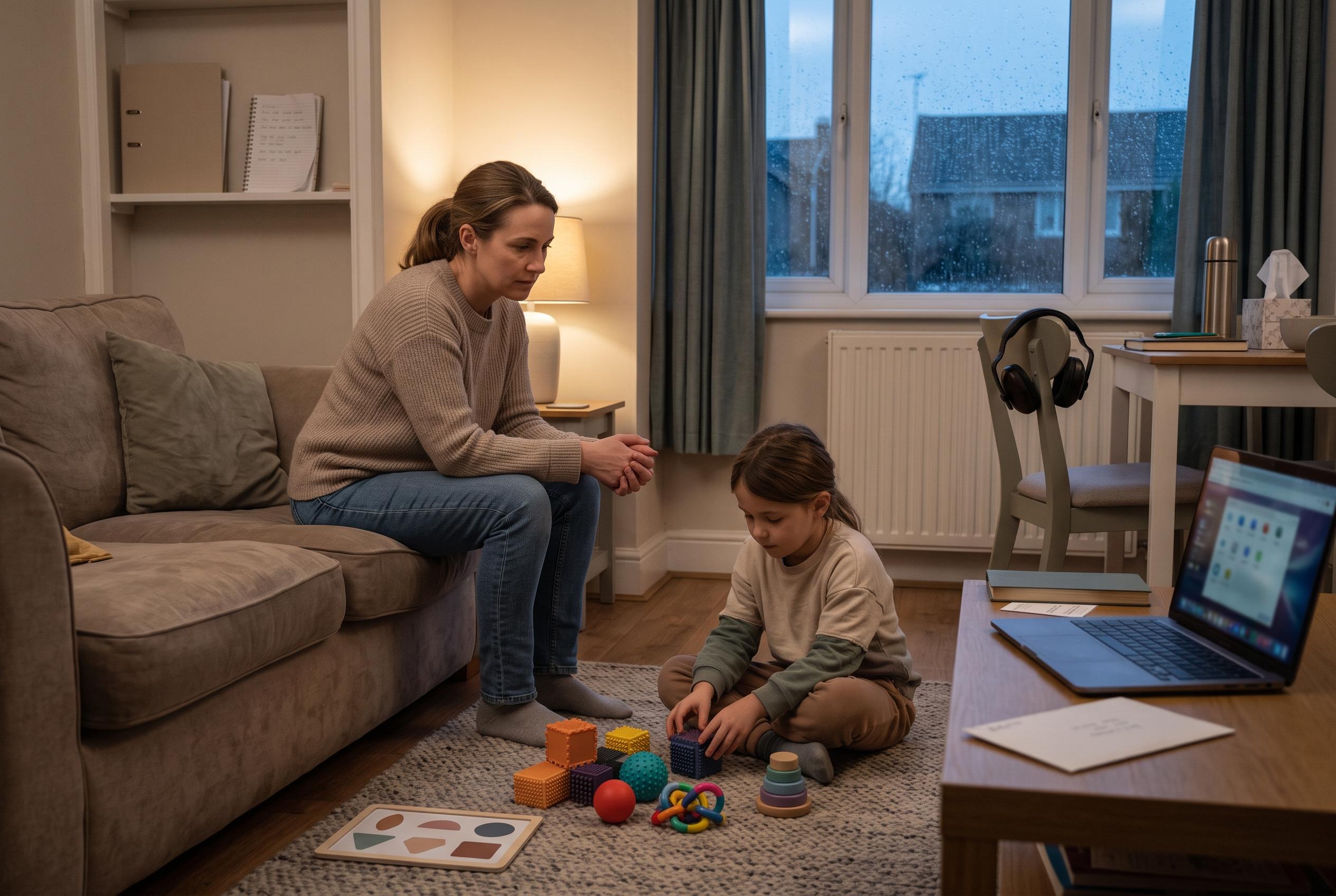

A sharp rise in complaints and record-breaking waiting times highlight the growing strain on England’s autism and ADHD support services, with families facing long delays and uneven access amidst rising demand.
Complaints about autism and ADHD services in England have risen sharply over the past five years, exposing a system that families and patients say is struggling to keep up with demand. The Guardian reported that cases handled by the parliamentary and health service ombudsman jumped from 410 in 2021-22 to 1,257 in 2025-26, while referrals and waiting lists continued to swell.
The watchdog said one woman was taken off an ADHD medication waiting list without warning after nearly four years, leaving her without specialist support for about six months. In another case, a man who sought NHS treatment for ADHD was sent to a local service that was not yet open, forcing him to pay almost £4,000 for private care. A separate complaint involved a 50-minute autism assessment that failed to meet National Institute for Health and Care Excellence guidance.
According to the Guardian, open NHS referrals for ADHD and autism assessment and support in England have reached about 562,000, with more than 60% of adults and children waiting longer than a year. The Nuffield Trust has also said referrals have climbed steeply, with some people waiting more than two years for an initial appointment. Analysis published by the think tank and other health specialists points to a service model that has not expanded fast enough to match rising awareness and demand.
Paula Sussex, the parliamentary and health service ombudsman, said ADHD and autism services were “under significant pressure, with demand outstripping capacity”. The ombudsman’s report, based on 3,000 complaints, highlighted confusion over patients’ rights to choose an NHS-funded provider, inconsistent recognition of diagnoses between NHS and independent providers, and long delays for assessment and treatment. A government spokesperson said an independent review led by clinical psychologist Professor Peter Fonagy would inform a new national approach later this summer.
Disclaimer: This content is for informational purposes only and is not intended to be a substitute for professional medical judgment, advice, diagnosis, or treatment.