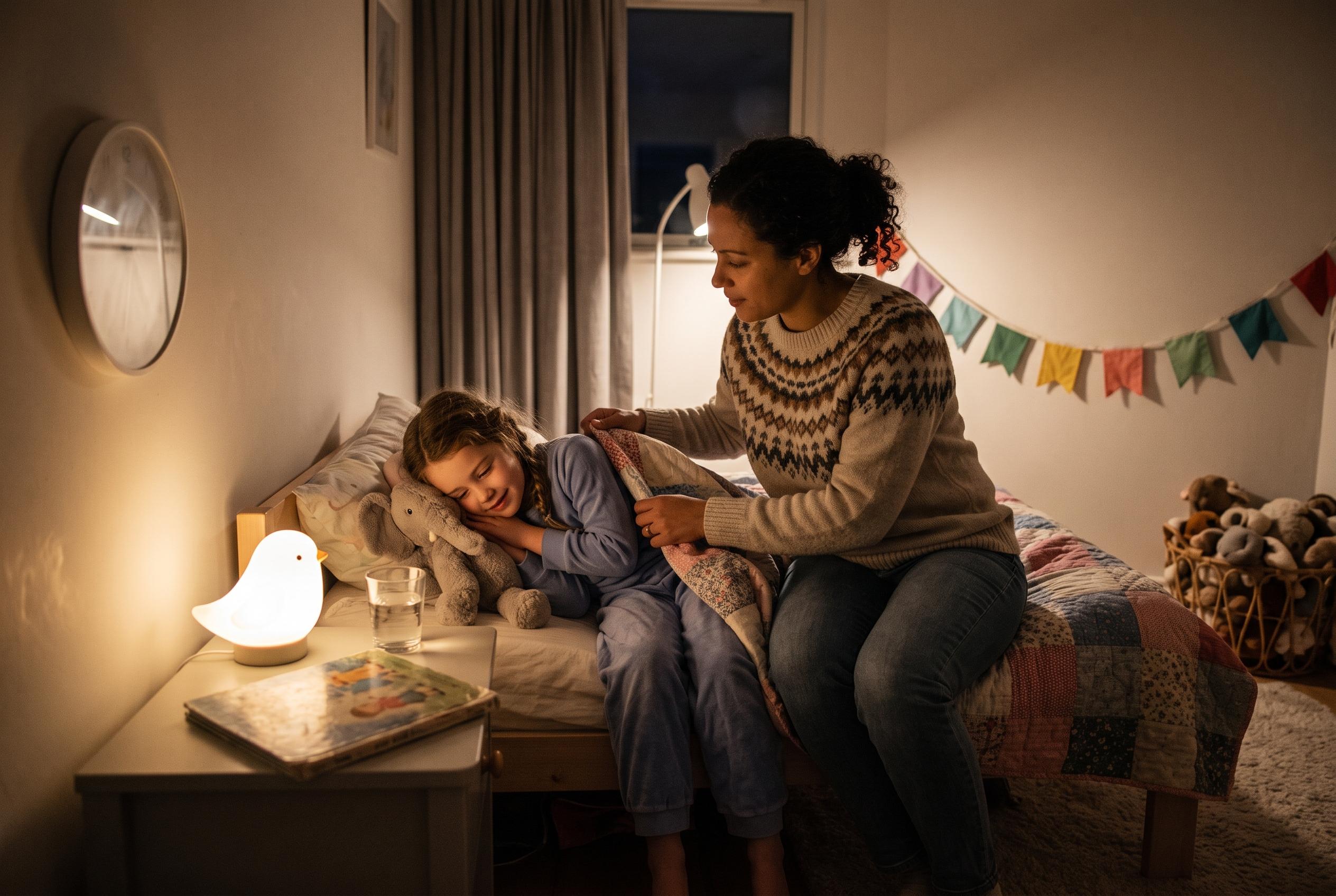

A new study reveals that preschool children’s sleep habits are significantly shaped by family attitudes, routines, and childcare policies, with nap behaviours especially sensitive to external influences, highlighting the importance of parental beliefs in early sleep health.
A new study in the Journal of Sleep Research suggests that the way preschool children sleep is shaped by a mix of age, family attitudes and childcare rules, with daytime naps appearing especially sensitive to outside influences. Using structural equation modelling, the researchers found that daytime and nighttime sleep were related but not interchangeable, and that both were linked to parental beliefs about napping. The work adds to a growing body of evidence that sleep in the preschool years is best understood as a 24-hour system rather than as separate day and night habits.
The analysis drew on survey data from 760 parents in Quebec with children aged two to five. Younger children were more likely to have longer, earlier and more regular naps, as well as longer and better nighttime sleep. Boys were also more likely than girls to show stronger daytime sleep patterns. In childcare settings where naps were mandatory, children were more likely to nap regularly, underlining how institutional routines can shape sleep during the day.
Parental views on naps emerged as one of the strongest themes. Parents who held more positive views of napping, and fewer concerns that naps would disrupt bedtime, were more likely to have children with healthier sleep patterns across both day and night. That finding fits earlier research showing that parental beliefs can influence nap length and nap style, and that many parents have clear preferences about whether young children should nap in early care settings. Previous studies have also found that mothers often see naps as helpful for children’s mood and behaviour, while many parents worry that regular naps may not suit older preschoolers.
The study also reinforces earlier evidence that daytime and nighttime sleep interact. Past research has shown that naps and nocturnal sleep are linked through shared sleep quality measures, including awakenings and sleep activity, while newer actigraphic work suggests naps may slightly delay bedtime but add to total daily sleep. Together, these findings point to a trade-off that changes with age: as children move through the preschool years, sleep becomes less spread across the day and more concentrated at night.
The authors say their model explained far more of the variation in daytime sleep than nighttime sleep, which they interpret as a sign that naps are especially dependent on family routines and childcare practices. They also caution that the study was cross-sectional, relied on parent reports and was drawn mainly from relatively affluent White families, so the results may not apply equally across different cultural or economic settings. Even so, the findings support a practical message for parents and caregivers: nap habits are not just a matter of biology, but also of beliefs, routines and the environments where children spend their day.
Disclaimer: This content is for informational purposes only and is not intended to be a substitute for professional medical judgment, advice, diagnosis, or treatment.