
A new app prioritises adult understanding over child-focused solutions in autism support, highlighting the importance of mutual communication and challenging speed-driven design in assistive technology.
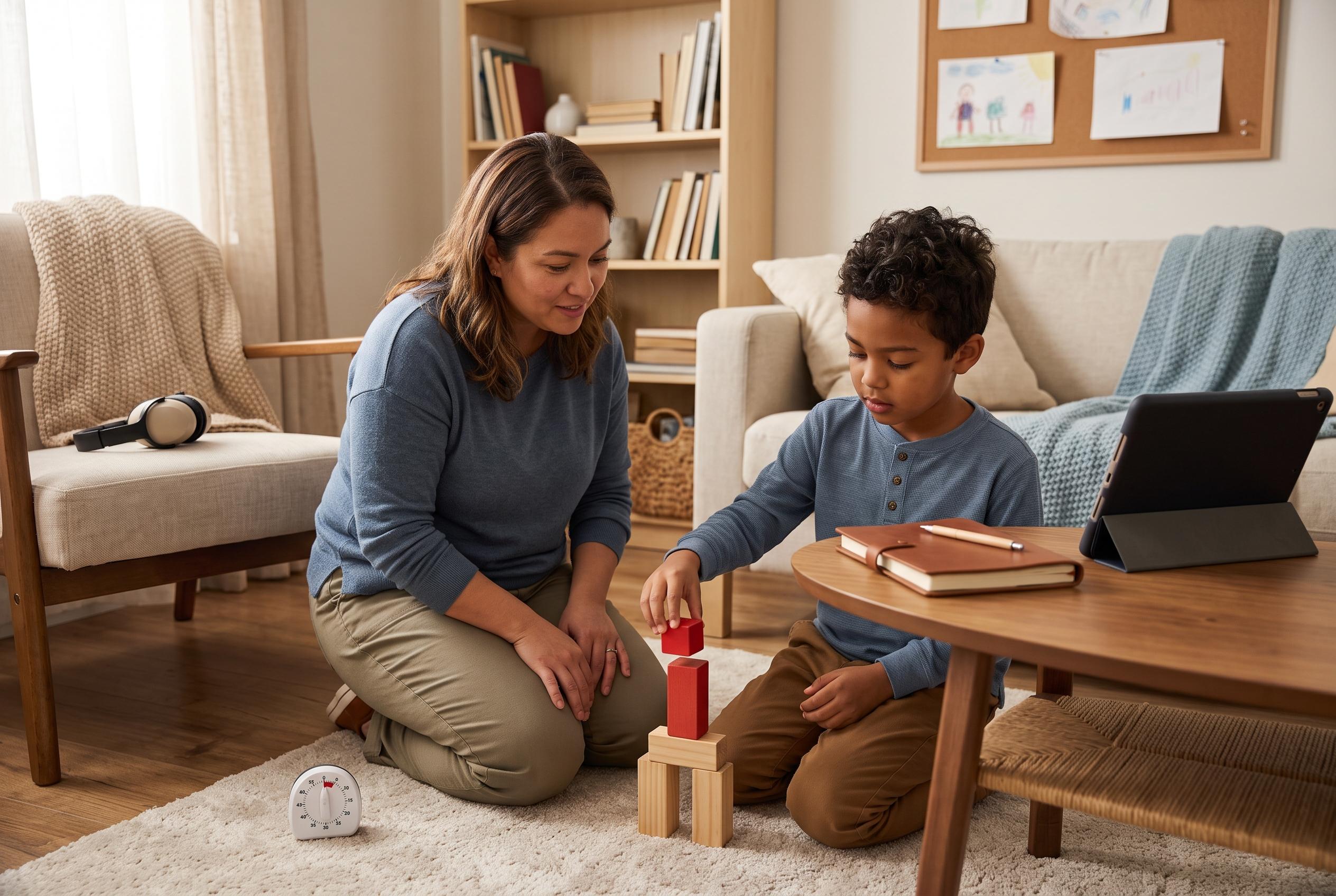
A small moment in a family living room became the basis for a larger argument about how assistive technology for autistic children should be built. The writer describes adults guessing at what a distressed six-year-old needed, and getting it wrong for long enough that he stopped trying to explain. That experience, he argues, exposed a common flaw in digital tools for autism: they often place the burden of understanding on the child rather than on the adults around them.
Research on the double empathy problem supports that view. Damian Milton’s framework suggests that communication breakdowns between autistic and non-autistic people are mutual, not a simple deficit within the autistic person. Reviews of the theory over the past decade have continued to underline that point, while studies have found that autistic people can read one another accurately and transfer information effectively, but mixed pairs often struggle more.
That evidence shaped the design choices behind Kora, the app described by its creator as a tool to help caregivers interpret emotional cues. Rather than giving the interface to the child, the application is built for adults, who are asked to do the learning. It also offers possible interpretations instead of firm conclusions, with uncertainty made visible so the adult stays engaged rather than outsourcing judgement to software. The app deliberately avoids diagnosing, screening or scoring, and its creator says that limitation is intentional because systems trained mainly on neurotypical expressions can misread autistic children.
The article also reflects on an early mistake: designing for convenience. Faster outputs and cleaner answers may help a caregiver act quickly, but they can also encourage the adult to stop asking questions too soon. The writer says the more useful version of the tool was the one that slowed the process down, preserved uncertainty and prompted a second check with the child. That shift matters because, if communication difficulties are shared, then software that treats the child as the only variable is solving the wrong problem.
The broader warning is aimed at a fast-growing field in which affordable models and bold claims are becoming common. The writer argues that any system in this space should be judged by a simple question: who is being asked to change? If the answer is only the autistic person, then the tool assumes a one-sided explanation that the research does not support. In that view, the more honest goal is not to make autistic children fit adult expectations, but to help adults become better readers of the children already in front of them.
Disclaimer: This content is for informational purposes only and is not intended to be a substitute for professional medical judgment, advice, diagnosis, or treatment.