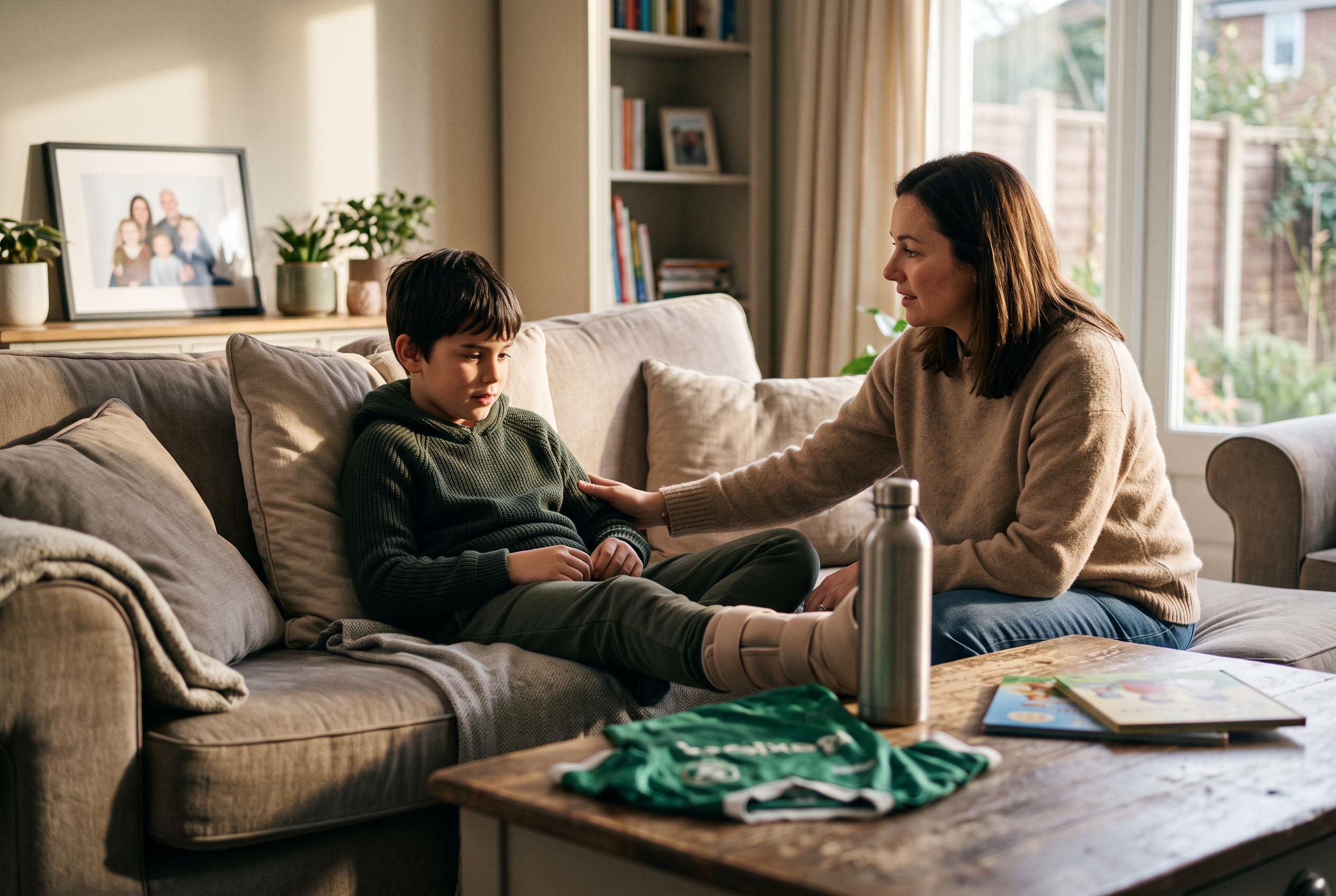

Updated advice stresses the importance of recognising subtle symptoms of concussions in young athletes and advocates a cautious, monitored recovery process to ensure safe return to sport.
Concussions in young athletes are often missed because they do not always look severe. A child may stay upright, finish a drill or insist they are fine, even while their brain has been injured by the force of a blow to the head or body. The Mayo Clinic says a concussion in children can happen without loss of consciousness, and the CDC notes symptoms may not appear straight away. That delay is one reason parents and coaches need to treat even a seemingly minor collision seriously.
The warning signs are broader than a headache. According to the CDC and HealthyChildren.org, parents should watch for dizziness, nausea, balance problems, blurred vision, sensitivity to light or noise, confusion, trouble concentrating, slower reactions, irritability, sadness, anxiety, unusual fatigue and changes in sleep. A child who seems quiet, foggy or simply unlike themselves may be showing symptoms even if they cannot describe exactly what feels wrong.
If a concussion is suspected, the athlete should come out of play immediately and not return the same day. The CDC recommends limiting screen time and both physical and mentally demanding activity for the first one to two days, then easing back into light activity as symptoms allow. Parents should arrange medical assessment as soon as possible and make note of how the injury happened and what symptoms appeared, because that information can help guide care.
Some symptoms mean emergency treatment is needed rather than a routine appointment. The CDC lists repeated vomiting, seizures, increasing agitation, slurred speech, unequal pupils and trouble waking as danger signs that require urgent medical attention. Most concussions do not lead to an emergency room visit, but parents should not wait to see whether serious symptoms settle on their own.
Recovery is no longer based on complete bed rest until every symptom disappears. The CDC says a short period of relative rest should be followed by a gradual return to schoolwork and then sport, with each step taken only when the child can tolerate the previous one without symptoms returning. Its return-to-play guidance uses a six-step progression that typically takes at least 24 hours per stage. For families, the key is to treat concussion recovery as a monitored process, not a quick pass back to the field.
Disclaimer: This content is for informational purposes only and is not intended to be a substitute for professional medical judgment, advice, diagnosis, or treatment.