


The Rajasthan High Court has issued wide-ranging directives to tackle junk food in schools, regulate students’ screen time, and address infrastructural gaps in rural education, amid growing concerns over India’s youngest generations’ well-being and future prospects.
The Rajasthan High Court in Jodhpur has stepped into a broad debate about the health, schooling and future prospects of India’s youngest generations, taking suo motu cognisance of concerns affecting Gen Z, Gen Alpha and Gen Beta. Justice Anoop Kumar Dhand said the court was worried about junk food, long hours on mobile screens, repeated paper leaks, weak infrastructure in rural schools and the risk that artificial intelligence could weaken basic learning habits rather than support them.
In a series of directions issued on August 24, the court barred the sale of high-fat, high-sugar and high-salt foods in school canteens and within 50 metres of school gates. The ban covers carbonated drinks, chips, trans-fat bakery products and similar junk food, and schools have been told to set up Food Safety and Nutrition Committees within four weeks, with teachers, parents and student representatives on board.
The bench also ordered canteens to display menu boards within eight weeks showing calorie counts, ingredients and nutritional value, alongside traffic-light labelling. It asked the state government to explain within six weeks what it has done to implement the 2020 rules on safe and balanced food in schools, and directed that midday meals and other nutrition schemes align with the Food Safety and Standards Authority of India’s balanced-diet guidance. A complaints portal and helpline are to be created for food-safety breaches.
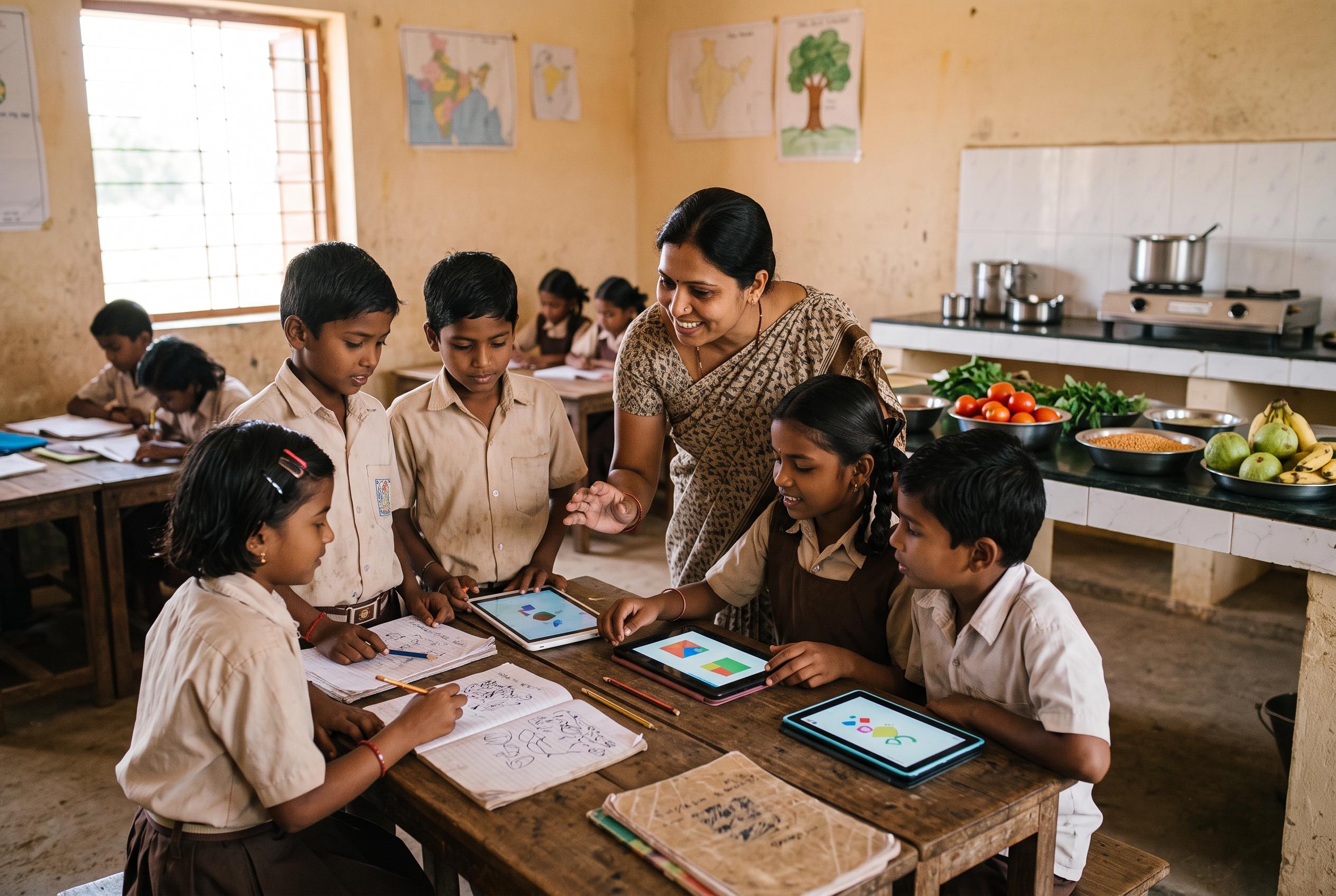
Beyond diet, the court said children’s growing screen use and dependence on technology had to be checked by preserving handwriting, book reading, note-making, independent thinking and written examinations. It also flagged the damage caused by paper leaks, calling for a foolproof system to prevent them, and ordered action on rural-school gaps such as vacant teacher posts, computers, internet access, toilets, drinking water and sports facilities. District collectors must carry out surprise inspections, while a quarterly monitoring cell headed by the chief secretary is to track compliance. The court also asked the Centre and state government to draw up a plan on wider Gen Z pressures, including the education-employment gap, gig-worker security, affordable housing and hostels, digital detox programmes, data privacy and cyber security.
Disclaimer: This content is for informational purposes only and is not intended to be a substitute for professional medical judgment, advice, diagnosis, or treatment.



