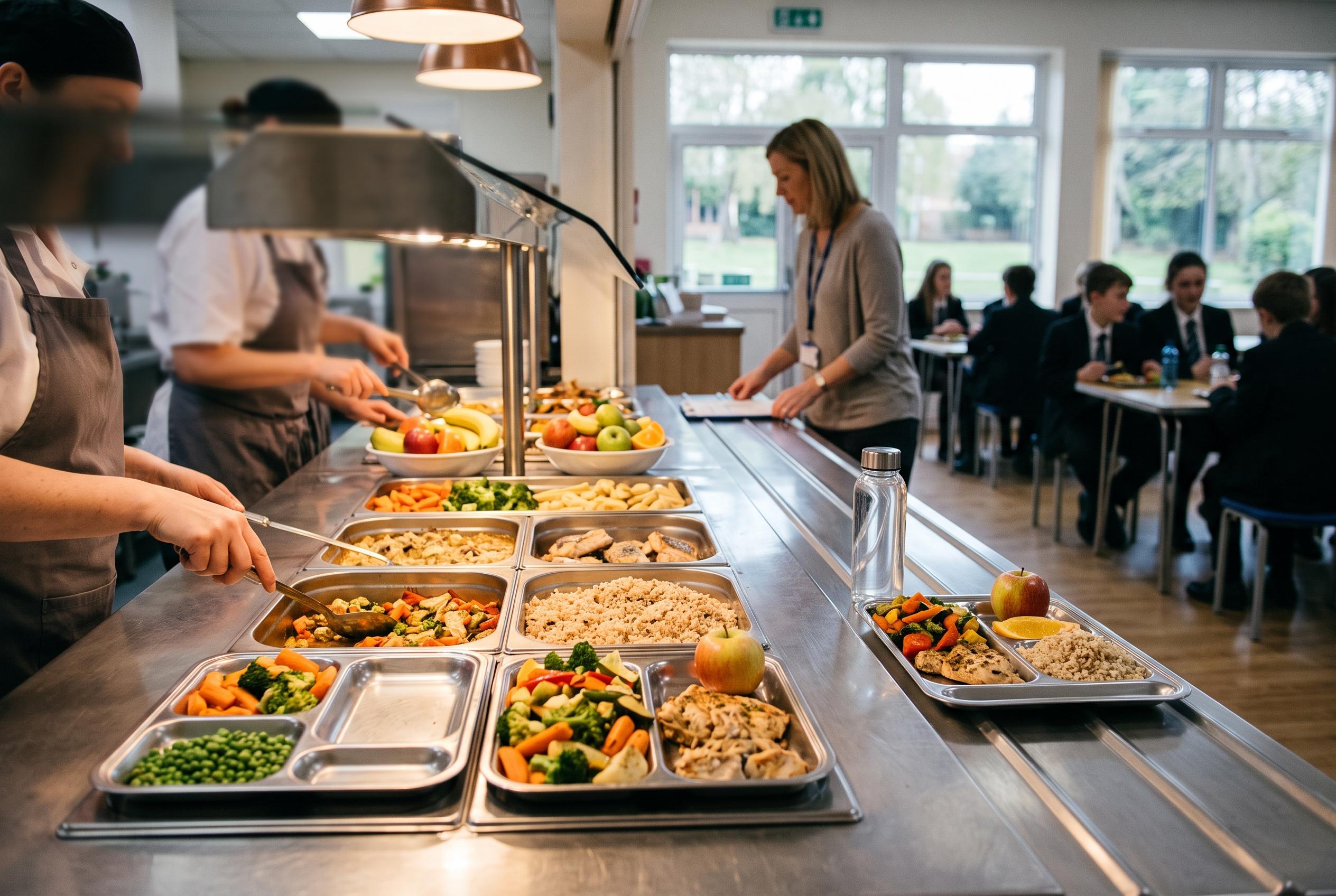

A new Bite Back 2030 study reveals that despite ongoing concerns, the majority of secondary schools in England continue to fall short of nutritional guidelines, raising questions about enforcement and the impact on children’s health.
A new Bite Back 2030 study suggests that most state secondary schools in England are still falling short of school food rules, despite years of warnings about the health impact of poor diets on children. The campaign group analysed menus from 391 schools and found that three-quarters contained at least one breach of the current standards, according to reporting by The Guardian. The findings add to growing concern that unhealthy food remains commonplace in schools at a time when campaigners and parents are pressing for tougher oversight.
The breaches were varied but widespread. Bite Back found that 53% of the schools were selling high-fat, sugar or salt snacks such as crisps and chocolate bars, while 57% were offering meat products, including burgers, sausages and chicken nuggets, more often than the rules allow. The group also said 31% of schools were using chocolate in solid form, despite a ban, and that hash browns were appearing too often on menus in 37% of the schools reviewed.
The report lands against a backdrop of continuing concern about the rise of grab-and-go food in secondary schools. In March, The Guardian reported that pizza slices, sausage rolls and sugary drinks were becoming more common in English school canteens, driven by pressure on time and budgets and by pupils choosing convenience over nutrition. Campaigners say that trend risks undermining efforts to improve eating habits and could worsen childhood obesity.
D’Arcy Williams, Bite Back’s chief executive, said the findings showed a system failing children and called for stronger rules with clearer enforcement. Parents appear to back that view. Public First polling, carried out for the School Food Review, found that 72% of more than 1,000 parents in England supported government checks to see whether school food meets updated standards, and many said external monitoring would make them more confident the reforms would work. That debate is becoming more urgent as ministers prepare to extend free school meals to all children on Universal Credit and bring in updated standards.
Disclaimer: This content is for informational purposes only and is not intended to be a substitute for professional medical judgment, advice, diagnosis, or treatment.