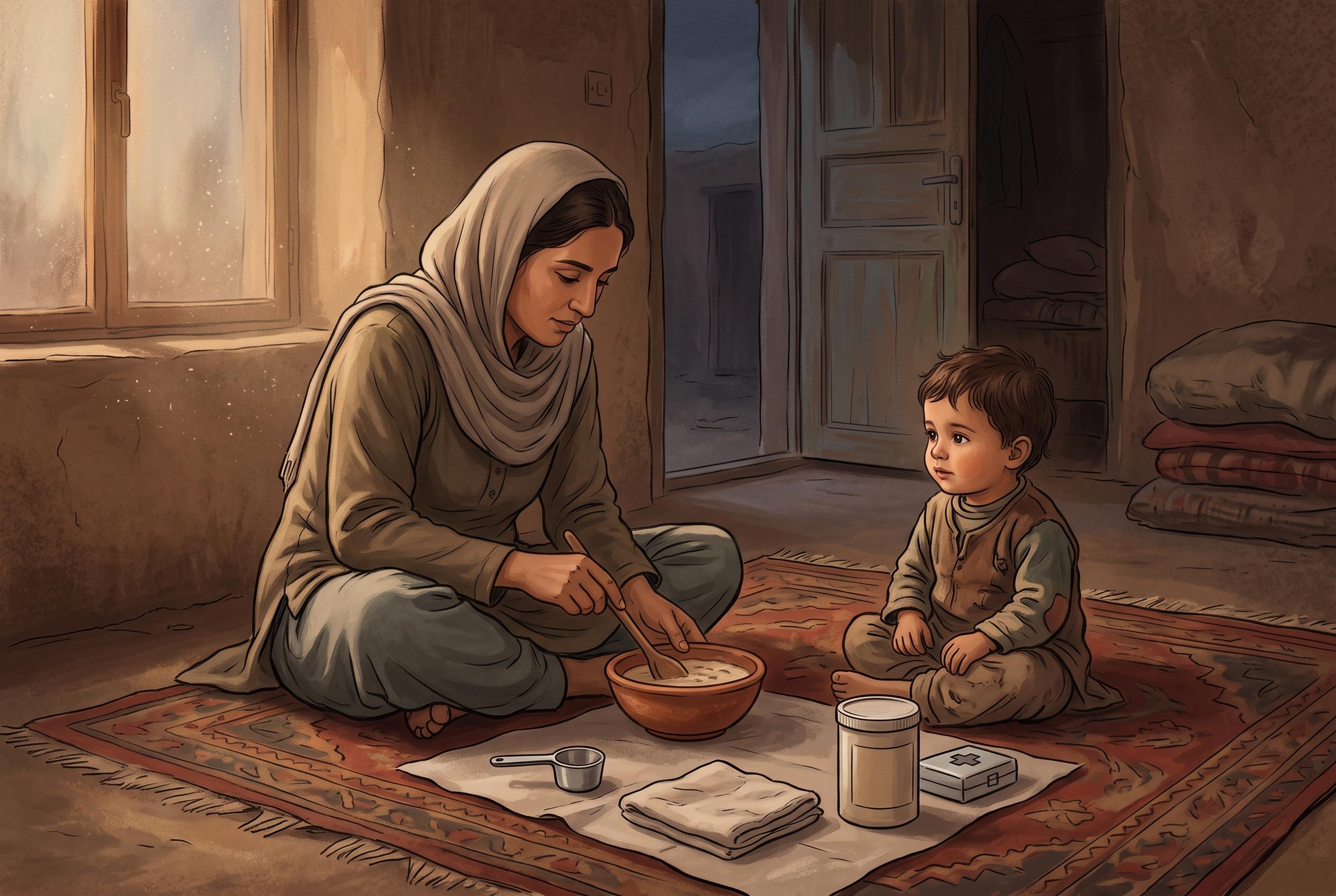

UNICEF warns of a severe nutrition emergency in Afghanistan, with over 1 million children at imminent risk of death from acute malnutrition amid a worsening health crisis worsened by economic collapse and inadequate healthcare.
UNICEF has warned that Afghanistan is heading into what it calls a severe nutrition emergency, with about 1 million children now at risk of death from the most dangerous form of acute malnutrition. The UN agency says 3.7 million children across the country are suffering from wasting, a condition that leaves them dangerously underweight for their height and can quickly become fatal without treatment.
Tajudeen Oyewale, UNICEF’s representative in Afghanistan, said in a briefing from Kabul that the situation is worsening fast. He said children under two are especially exposed, and that nearly 40 per cent of those admitted to hospital with severe wasting and medical complications are babies younger than six months. UNICEF’s latest figures show that children under two account for more than 80 per cent of severe acute malnutrition cases.
The agency says more than 500,000 children have already needed hospital care this year for moderate or severe wasting, reflecting a rise in admissions as the country enters its peak wasting season. In parts of southern Afghanistan, Oyewale said some hospitals are now seeing three or four severely malnourished children for every bed available. UNICEF has also said children in severely food-insecure households can be up to six times more likely to suffer wasting during the worst months.
Afghanistan has long faced repeated hunger crises, but the current emergency has been deepened by economic collapse since the Taliban returned to power in 2021, along with wider hardship and weak health services. UNICEF says malnutrition is now a major driver of deaths among very young children and is urging urgent action to protect diets, strengthen treatment services and prevent more cases before conditions deteriorate further.
Disclaimer: This content is for informational purposes only and is not intended to be a substitute for professional medical judgment, advice, diagnosis, or treatment.