
As children’s schedules become more organised and adult-led, experts emphasise the vital role of unstructured play in fostering creativity, resilience, and social skills, highlighting a need to balance planned activities with free play for healthy growth.
Many parents will recognise the complaint behind this reader’s question: childhood seems to be filling up with planned activities, family outings and adult-led fun, while the old habit of children simply drifting outside and inventing their own games grows rarer. In the Norwegian reader’s account, boys in sixth class are more likely to be gaming together or joining parents for sport, walks or scavenger hunts than meeting friends and deciding for themselves what to do. The concern is not that children are inactive, but that their time is becoming so carefully managed that ordinary peer play is being squeezed out.
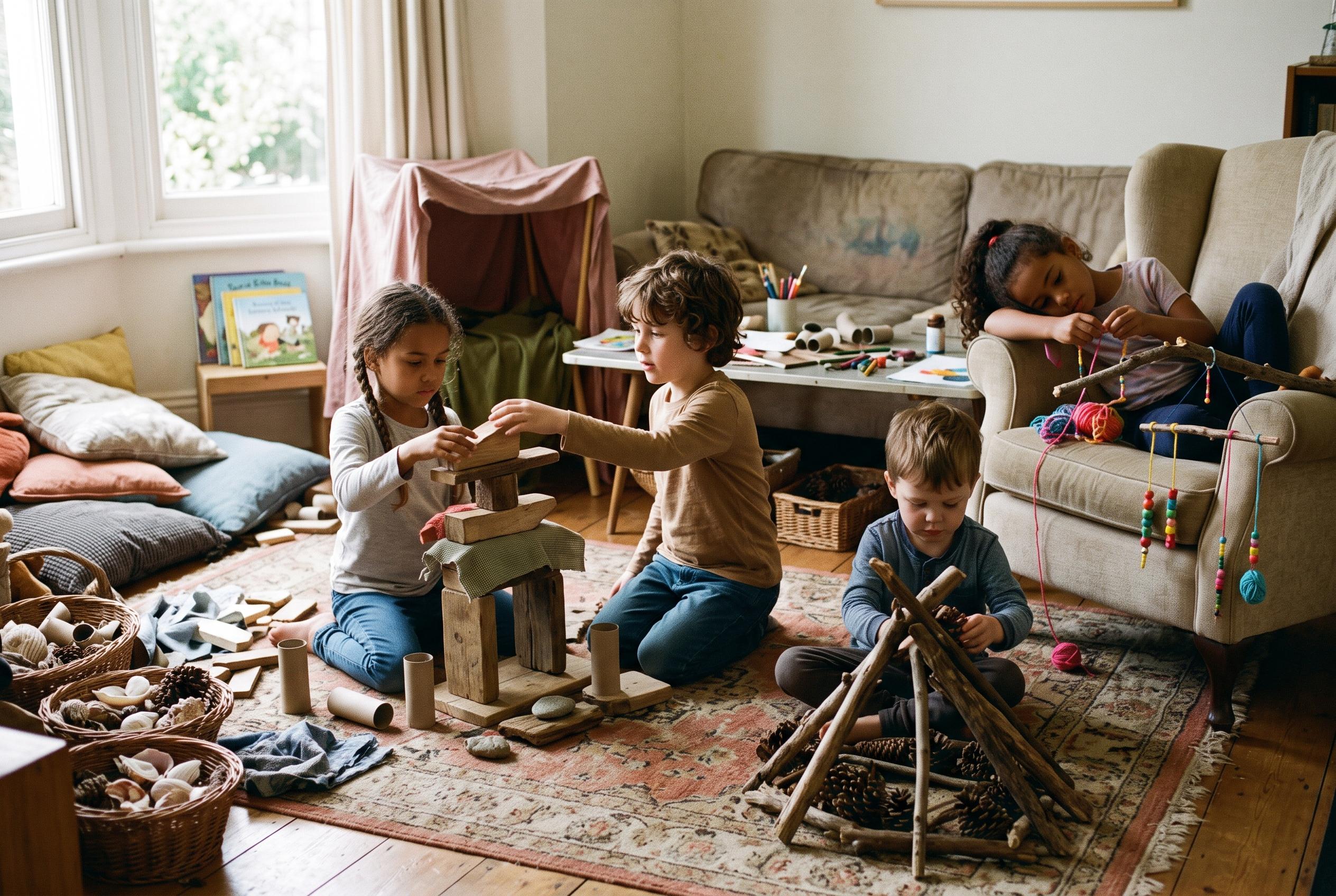
That shift matters, according to the American Psychological Association, because unstructured play gives children room to be creative, resilient and socially flexible. When children are left to negotiate, invent and adapt without adults directing every move, they practise the kind of peer-to-peer interaction that cannot easily be taught in a planned session. The American Academy of Pediatrics has similarly argued that play supports emotional, physical and social development, and that children learn cooperation, problem-solving and conflict resolution most effectively when they are figuring things out with one another.
There is no need to set up a false choice between family life and friend time. The American Academy of Pediatrics says adult participation in play can strengthen the parent-child bond and help parents better understand how a child thinks and communicates. But that does not mean every free hour should be filled with an organised event. As Nationwide Children’s Hospital has noted, structured activities have their place, yet unstructured play remains important because it encourages imagination, exploration and independence. For many children, the best environment is one that includes both: time with parents, time in organised activities and time to make plans with friends without an adult script.
For the parent asking whether it is time for boys to “hang around and come up with things themselves”, the answer is probably yes, at least some of the time. Children do not need endless supervision to learn how to socialise; in fact, they often learn more when they have to work out the game, the rules and the compromise on their own. A healthy childhood is not one in which every minute is arranged, but one in which there is enough space for children to be bored, to improvise and, ultimately, to play.
Disclaimer: This content is for informational purposes only and is not intended to be a substitute for professional medical judgment, advice, diagnosis, or treatment.