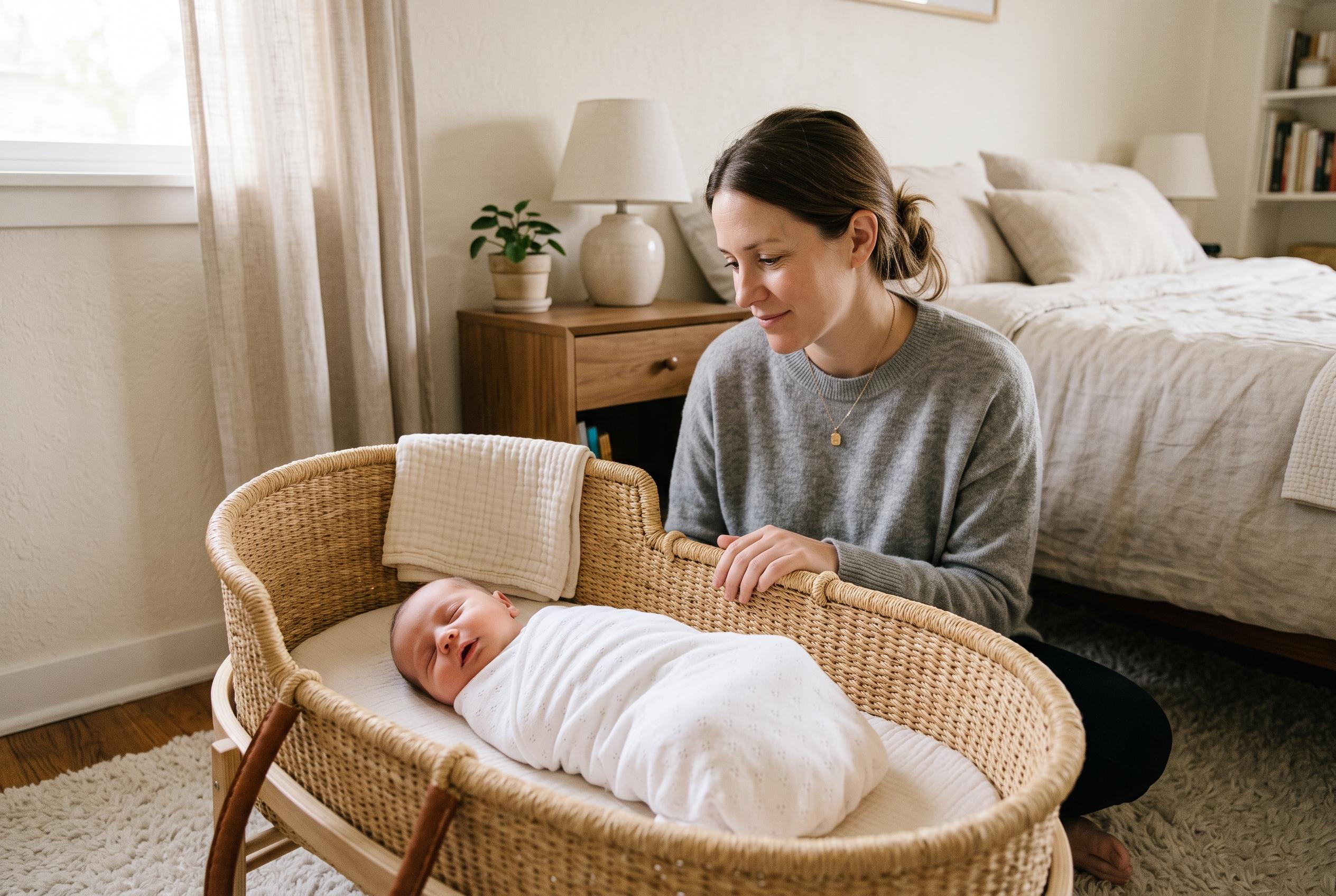

Newborns often make various sounds and movements during active sleep, which are normal signs of brain development. Recognising these signs can help parents distinguish between normal sleep behaviour and potential health concerns, easing night-time anxieties.
Newborn sleep can sound far more dramatic than it looks. A baby may grunt, twitch, smile, suck, squirm, briefly open their eyes or even let out a short cry without truly waking, and that is often part of a normal stage known as active sleep. Newborns spend much more of their sleep in this state than older children or adults because their brains and nervous systems are developing so rapidly.
That matters because active sleep can easily be mistaken for restlessness or distress. Cleveland Clinic says many of the noises parents hear, including grunting and squeaking, are commonly linked to normal development as babies learn to coordinate breathing and other bodily functions. The Sleep Foundation adds that facial expressions such as smiling or frowning can appear during this phase and are usually reflexive rather than deliberate.
Active sleep also helps explain why newborn sleep cycles look so different from adult sleep. The Sleep Foundation notes that young babies spend a large share of sleep time in REM-like active sleep and quiet sleep, with shorter and less orderly cycles than those seen later in infancy. In practical terms, that means a baby may seem busy while still being fully asleep.
Not every sound should trigger immediate intervention. A brief pause to watch can help caregivers tell whether a baby is truly waking or simply moving through active sleep. But experts stress that noisy sleep should never be used to brush off warning signs. Persistent grunting with each breath, chest retractions, nasal flaring, blue or grey colouring, feeding difficulty or repeated unusual movements warrant prompt medical attention, according to Cleveland Clinic and other paediatric guidance.
The same safe sleep rules apply whether a baby is quiet or noisy. Newborns should sleep on their backs on a firm, flat surface, with no loose bedding, pillows or soft objects in the sleep space. For parents, the bigger lesson is that a lively-sounding newborn is often a sleeping newborn, and understanding that difference can reduce anxiety and help families respond more calmly overnight.
Disclaimer: This content is for informational purposes only and is not intended to be a substitute for professional medical judgment, advice, diagnosis, or treatment.