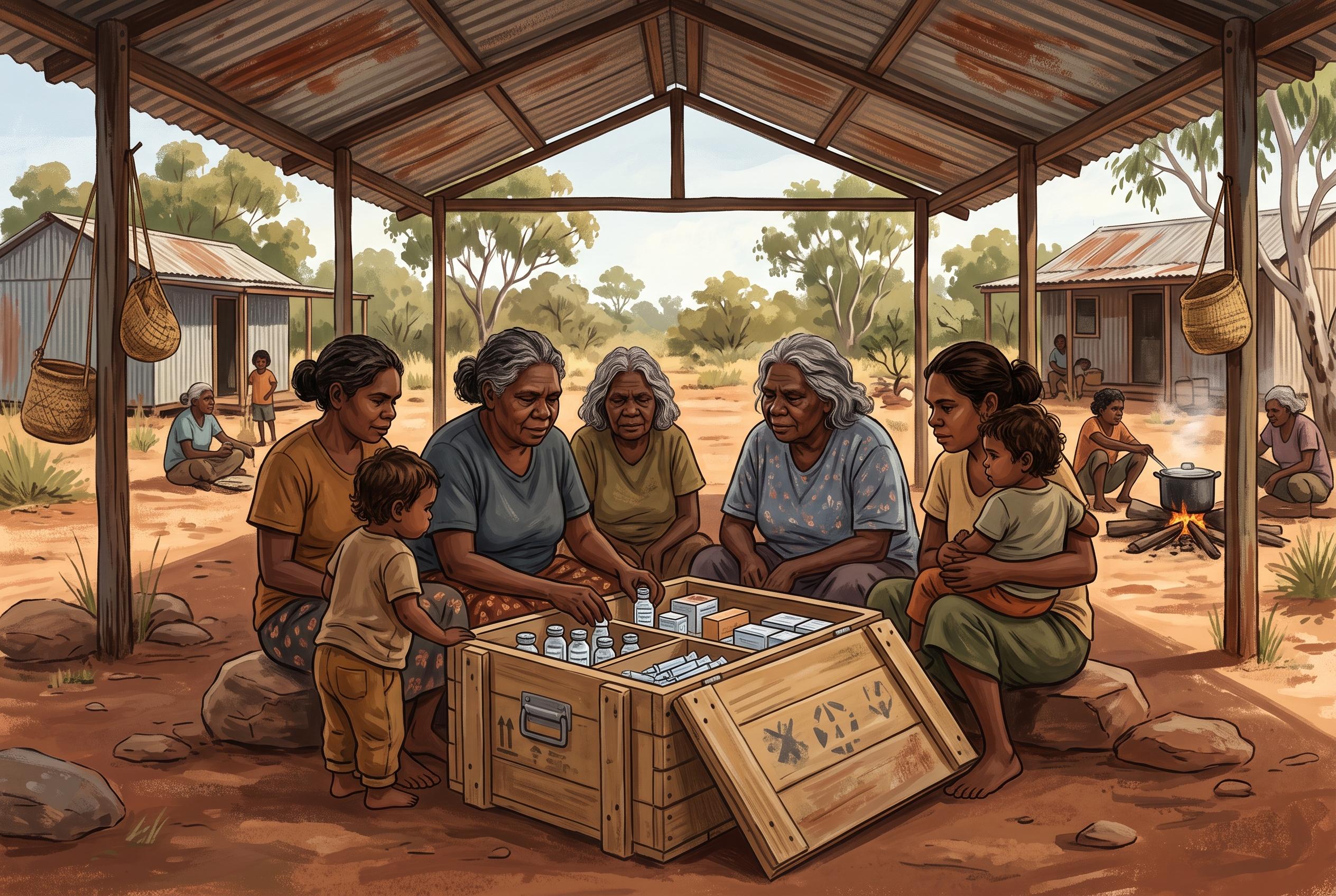

Australia is confronting its most severe diphtheria outbreak on record, with over 540 cases, predominantly among remote Aboriginal communities, highlighting the need for improved vaccination and living conditions to control the disease.
Australia is facing its biggest diphtheria outbreak on record, with almost 540 cases reported so far this year and most concentrated in the Northern Territory and Western Australia. The Australian Centre for Disease Control said cases have also been recorded in South Australia and Queensland, with the total far above the previous annual peak of 31 cases in 2022. Officials say the outbreak appears to have eased from its high point in late May and early June, but the latest figures still show a serious public health challenge.
Health experts are also warning that the headline numbers may understate the true scale of the problem. Megan Campbell, a public health physician with the National Aboriginal Community Controlled Health Organisation, said falling case counts need to be treated carefully because testing has not been consistent in all affected areas. She said a drop in reported infections could reflect reduced access to testing rather than a genuine fall in transmission.
Diphtheria is a bacterial infection that can affect the throat, airways, skin and wounds, and it spreads through respiratory droplets or direct contact with infected lesions. In this outbreak, most cases have been linked to skin infections, particularly among Aboriginal and Torres Strait Islander people in remote and outer regional communities. Adrian Esterman, an epidemiologist at the University of Adelaide, said that skin-based disease can be easier to miss or mistake for other conditions, especially where people are already dealing with scabies, insect bites and crowded living conditions. Campbell urged people with skin sores or sore throats to seek testing early.
Public health authorities say the outbreak reflects a mix of factors, including waning immunity, crowded housing and poor environmental health conditions. The Australian Centre for Disease Control has said many infected people had already received at least three valid vaccine doses, although protection can weaken over time. On 22 May, Australia’s Chief Medical Officer declared diphtheria a Communicable Disease Incident of National Significance, unlocking stronger national coordination. The federal government has since committed $13 million to the response, including extra support for the Northern Territory, antibiotics, vaccines and a $3 million package for the National Aboriginal Community Controlled Health Organisation to help with community liaison and local health support.
Experts believe Australia could eliminate diphtheria again, but only if vaccination is matched by better housing, sanitation and community health infrastructure. Esterman said immunisation alone will not be enough unless overcrowding and poor living conditions are addressed. Campbell said governments and Aboriginal community-controlled health services are working together, but more investment is still needed in environmental health programmes. The Australian Centre for Disease Control says the priority remains identifying cases quickly, tracing contacts, treating infections and keeping vaccination coverage high.
Disclaimer: This content is for informational purposes only and is not intended to be a substitute for professional medical judgment, advice, diagnosis, or treatment.