
Brazil’s recent measles outbreak highlights the dangers of falling vaccination rates and vaccine misinformation, threatening hard-won disease elimination status as authorities intensify immunisation campaigns amid growing public scepticism.
Brazil’s measles warning is back, and so is the debate over why a disease once declared eliminated is spreading again. The country lost its measles-free status in 2019 after falling vaccination coverage and imported cases, regained it in 2024, and is now facing another outbreak, with the city of São Paulo and nearby areas reporting 23 cases so far. Public health officials say the latest flare-up began with cases brought in from abroad, but local transmission has raised alarm. According to the Pan American Health Organization, the wider region is also seeing a sharp resurgence, with measles cases across the Americas hitting their highest level in more than two decades.
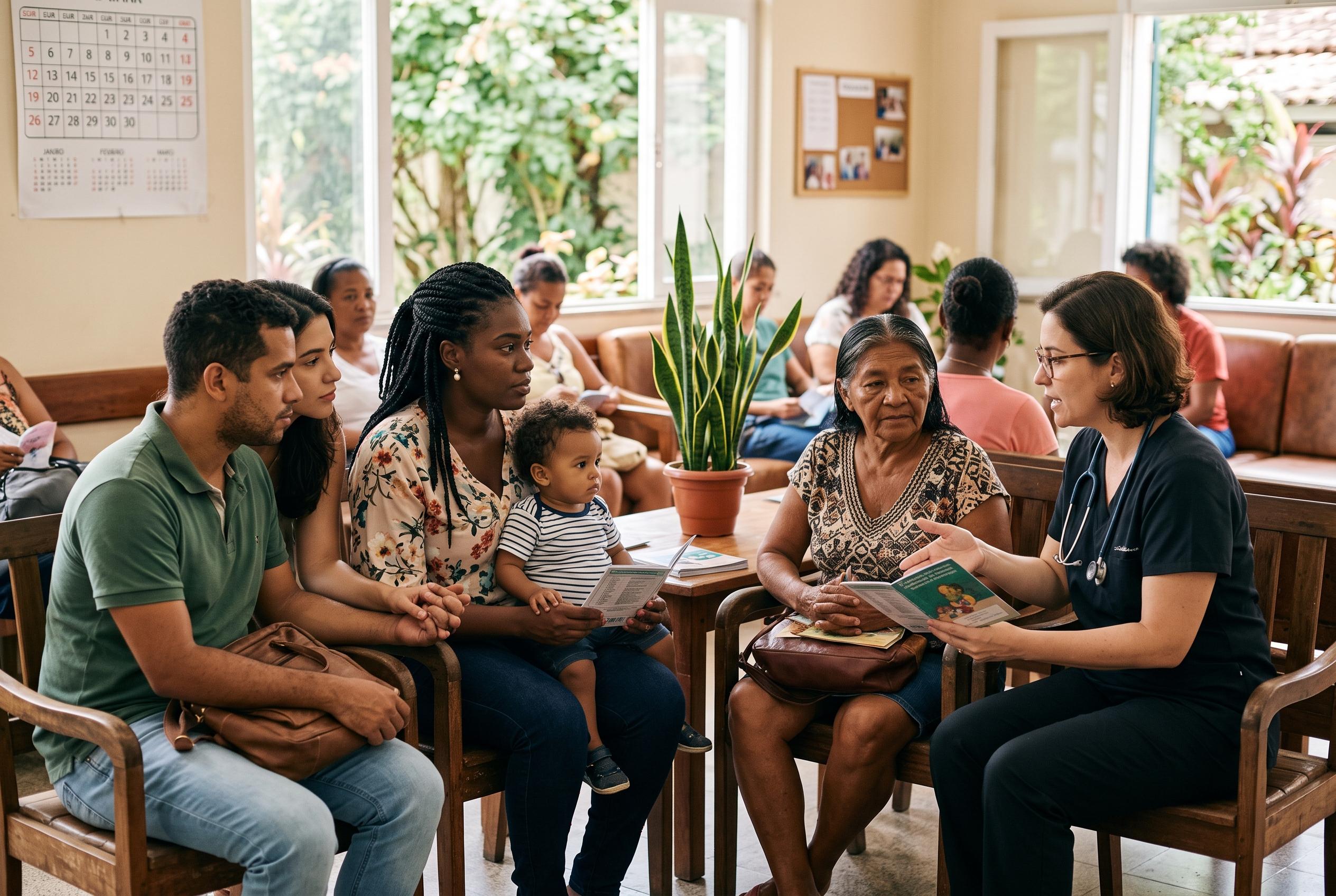
Health authorities in Brazil have responded with a broader vaccination push. The Ministry of Health launched a nationwide multivaccination campaign for children and adolescents under 15, and later widened measles recommendations in São Paulo, Guarulhos and São Bernardo do Campo to include people from 6 months to 59 years old. That includes a so-called zero dose for babies aged 6 to 11 months, alongside the routine schedule. Officials say the aim is to close immunity gaps before the virus spreads further.
The problem is not limited to access. Researchers and doctors say falling confidence in vaccines has helped create the conditions for measles to return. A March 2026 study in The Brazilian Journal of Infectious Diseases found that Brazil’s measles vaccination coverage had dropped steadily between 2015 and 2023, increasing the risk of the virus returning and circulating again. The study linked part of that decline to the disruption caused by the Covid-19 pandemic and warned that even with an effective MMR vaccine, low uptake leaves communities exposed.
The roots of vaccine resistance in Brazil run deep. Anti-vaccine sentiment surfaced during the 1904 Vaccine Revolt in Rio de Janeiro, when anger over compulsory smallpox vaccination mixed with rumours and resentment over heavy-handed public health policy. More recently, false claims that vaccines could cause children to develop crocodile-like features gained traction during the pandemic, echoing earlier myths that spread through social media, politics and private messaging. The World Health Organisation described that flood of misleading content as an “infodemic”, arguing that falsehoods can be nearly as dangerous as the disease itself.
Alexandre Borin, a biologist at the National Centre for Research in Energy and Materials, said in an interview with Her Campus that anti-science campaigns often have more money and reach than researchers trying to explain the evidence. He said many scientists are forced to communicate in their spare time, while misinformation moves quickly through online networks. Borin also argued that public health campaigns need to speak in a language people recognise, and to reconnect younger generations with the reality of diseases that no longer seem immediate because vaccination worked so well.
That paradox lies at the heart of the measles comeback. When a disease becomes uncommon, the fear it once inspired fades, and the incentive to vaccinate weakens. But measles is highly contagious, and public health experts say herd immunity must stay above 95% to stop it from spreading. The current outbreak in Brazil is a reminder that the success of vaccination can make its own necessity easy to forget, and that keeping confidence in science is now as important as keeping doses available.
Disclaimer: This content is for informational purposes only and is not intended to be a substitute for professional medical judgment, advice, diagnosis, or treatment.