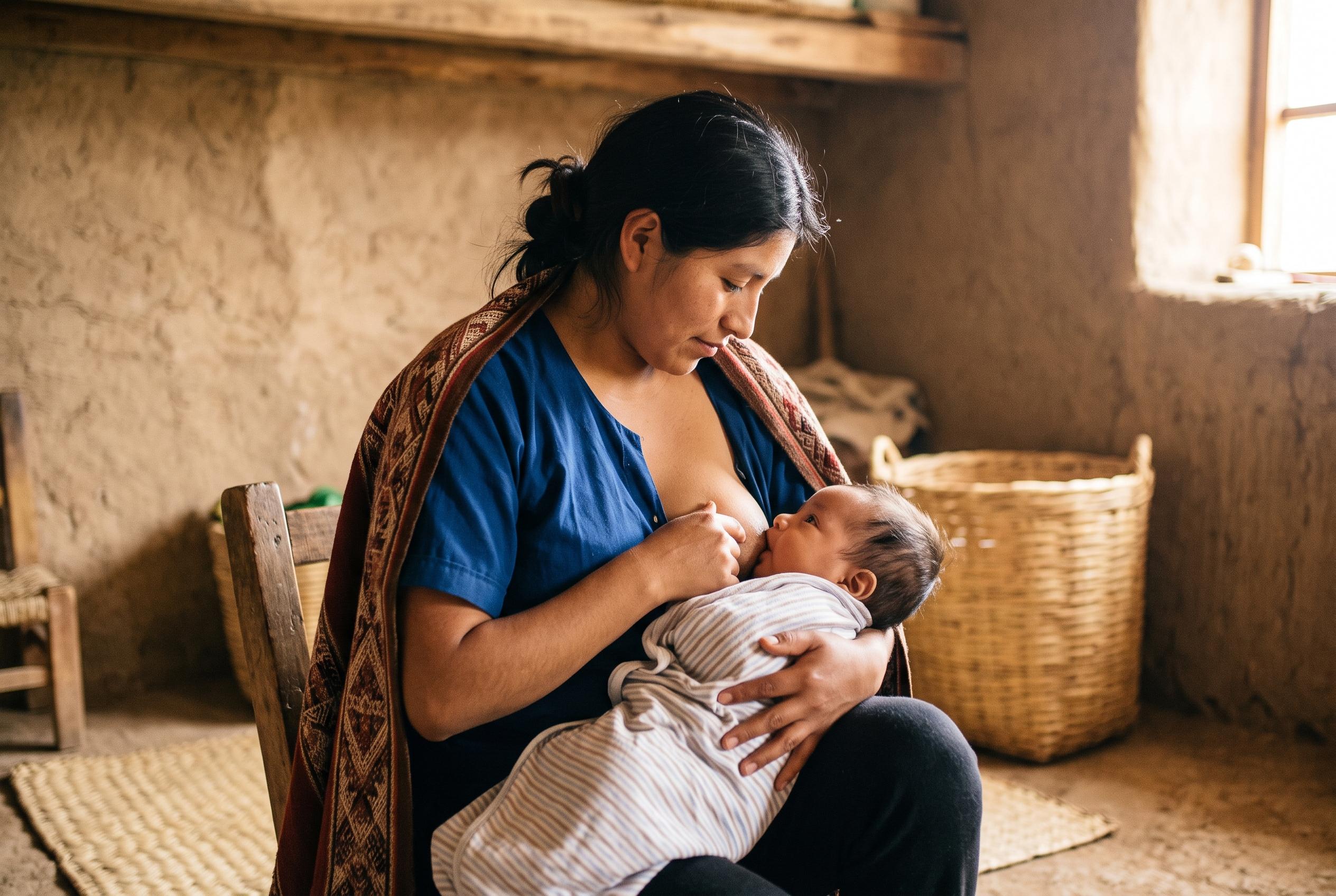

Exclusive breastfeeding among infants under six months in Peru’s La Libertad region has increased to 75%, reflecting successful public health initiatives and community cooperation, surpassing national and global targets.
Health officials in Peru’s La Libertad region say exclusive breastfeeding among babies under six months has climbed to 75%, a figure they described as a notable step forward for public health and child nutrition. The regional government cited the latest ENDES 2025 findings as evidence that counselling and health-promotion efforts are helping more families sustain breastfeeding in the early months of life.
The announcement came during a news conference marking the start of Regional Breastfeeding Week 2026, led by the La Libertad regional government, its health directorate GERESA and the institutional technical committee on breastfeeding. Joana Cabrera Pimentel, the regional governor, said the result reflected cooperation between the public sector, private organisations and civil society, and pledged to keep expanding policies and spaces that support mothers who breastfeed.
Gerardo Florián Gómez, the regional health chief, said breast milk remains central to preventing infant anaemia and malnutrition. He described it as the first vaccine for newborns, arguing that progress in La Libertad should be matched by stronger counselling in health facilities and wider community involvement. The national campaign is being promoted under the slogan “Lactancia Materna, Amor que Nutre y Protege”, while the regional message stresses exclusive breastfeeding as the best nutrition and a source of care and protection.
The regional figure is above the national rate reported by Peru’s National Institute of Statistics and Informatics, which said exclusive breastfeeding among children under six months reached 71.1% in 2025, up 3.7 percentage points from the previous year. Peru’s Health Ministry has separately said breastfeeding in the country has continued its upward trend over seven years and now stands at 67.38%, above the World Health Organisation’s 2025 target and the global average it cited. Nationally, the strongest rates have been reported in Pasco, Ucayali and Cajamarca, where official data show levels above 80%.
Disclaimer: This content is for informational purposes only and is not intended to be a substitute for professional medical judgment, advice, diagnosis, or treatment.