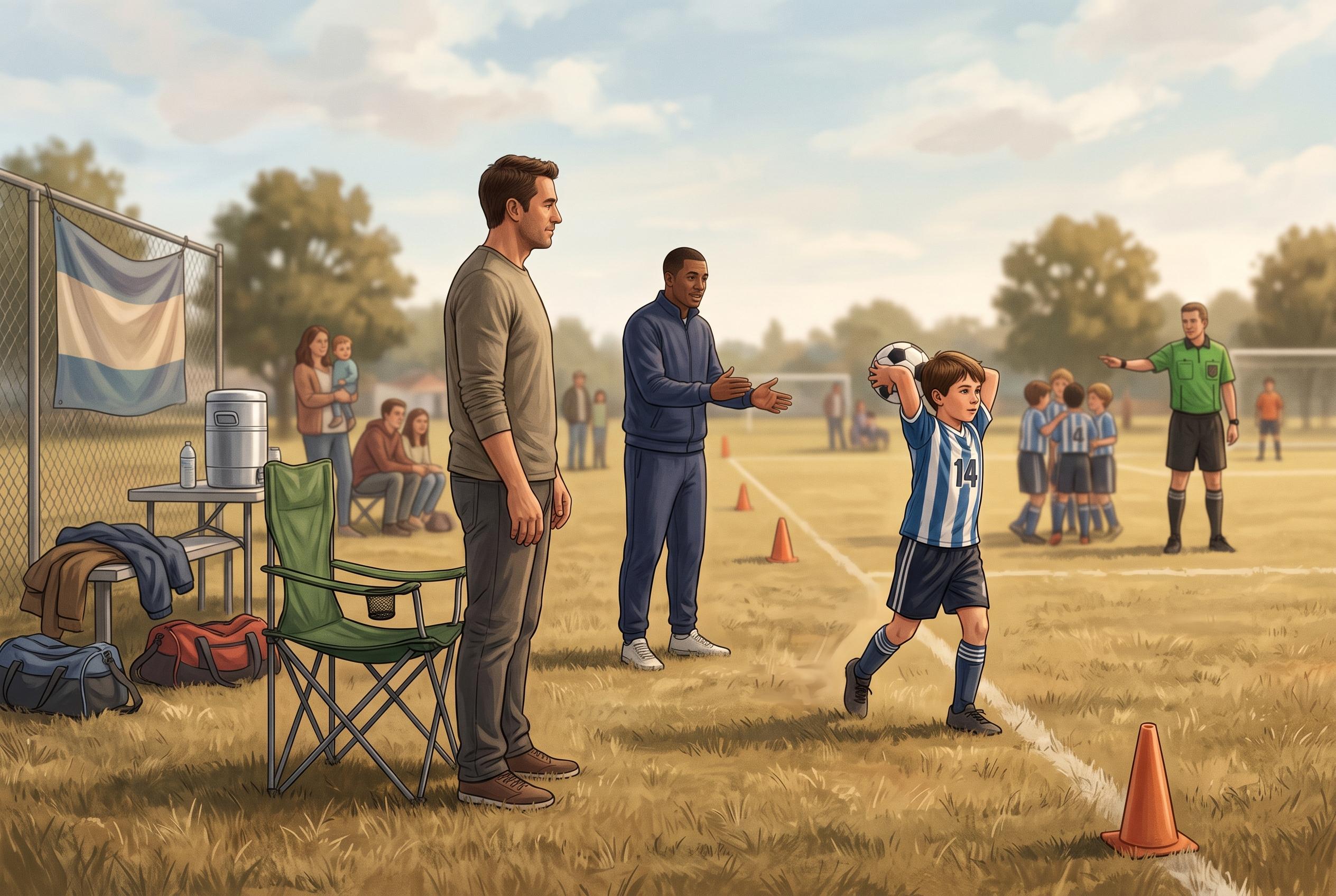

Columnist Todd Howey urges parents to keep their cool during youth games, warning that anger and criticism can harm children, officials, and the spirit of sport itself.
Parents who shout instructions, criticise officials, or turn youth games into personal battles often end up harming the children they are trying to help, columnist Todd Howey argues in BrownwoodNews.com. His latest piece is a plea for restraint in the stands, where he says anger can spill over into behaviour that embarrasses families, unsettles players, and makes school sport less welcoming for everyone.
Howey says youth officials are often inexperienced, underpaid, and doing a job they accept because they care about sport and young athletes. He argues that berating them does not improve calls or develop anyone’s skills; it only drives people away from officiating and adds to a shortage that affects games at every level. School sports departments, including systems in Maryland, Durham and Cleveland, all stress respect for officials, fair play and a positive match-day atmosphere.
The columnist also shifts the focus from the stands to the children on the field, urging parents not to coach from the sideline, criticise teammates, or unload on coaches during or after a game. Coaches, he says, are the adults paid and trained to handle those conversations, and parents help more by leaving instruction to them and offering support instead of pressure.
His message is broader than one bad inning, one disputed call or one lost game. Sportsmanship groups and school athletic programmes commonly frame respect, responsibility and self-control as part of the lesson of sport, not an optional extra. Howey’s point is that parents set that tone too: when they keep their cool, they give children a better example of how to win, lose and cope with frustration.
He ends with a warning familiar to many schools: poor behaviour can carry consequences, including being barred from future contests. In his view, loud cheering is fine; making it personal is not. The real issue, he says, is not the game itself but adults who forget that the children are the reason everyone is there.
Disclaimer: This content is for informational purposes only and is not intended to be a substitute for professional medical judgment, advice, diagnosis, or treatment.