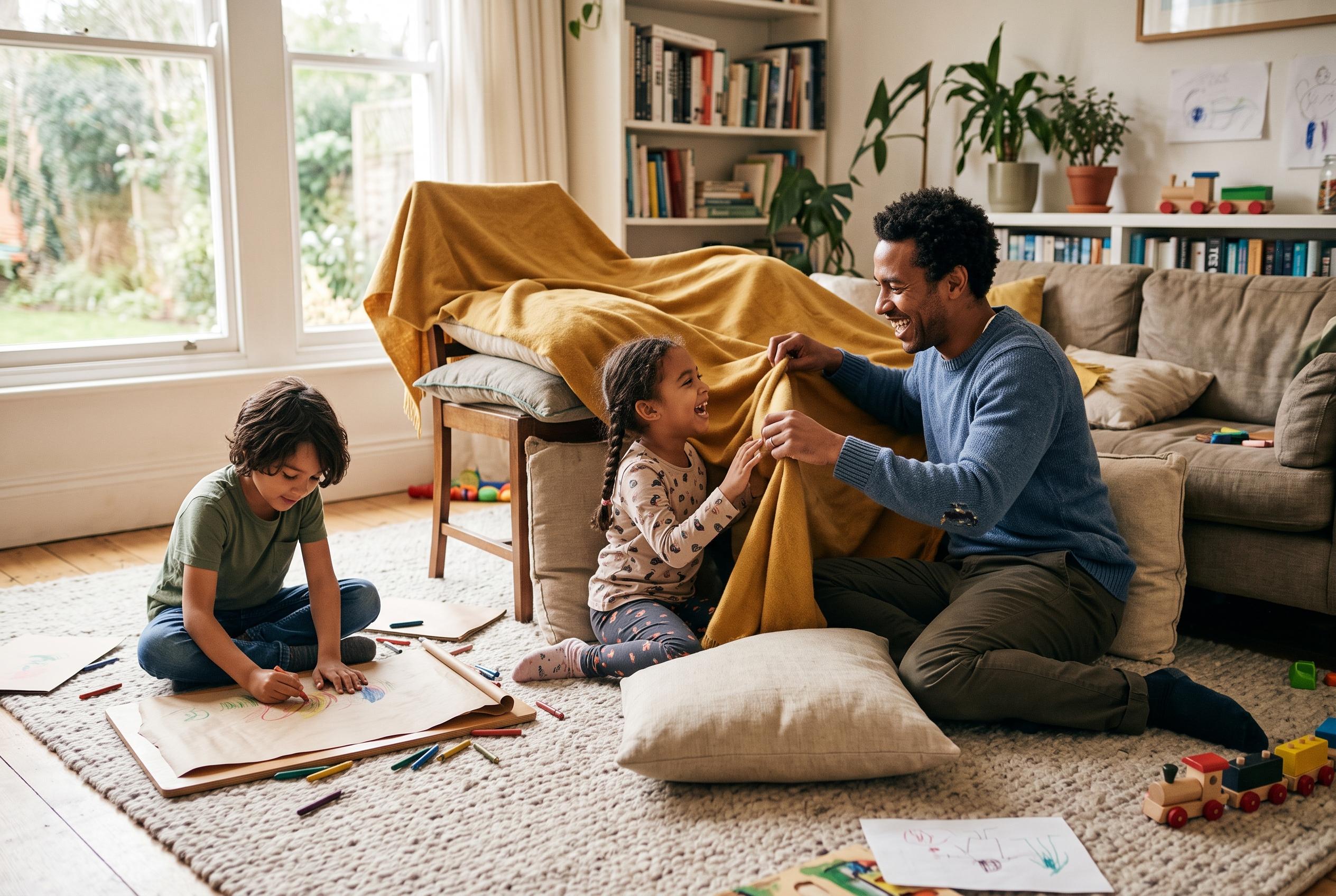

With the pressures of modern life, experts urge families to embrace play as a simple yet powerful tool to strengthen relationships, promote physical health, and foster emotional well-being, even during long holidays.
The weekend or a long holiday can open the door to family time, but it often does the opposite. After a demanding week of work and school, parents and children can drift back towards screens and lose the chance to share something more active, playful and restorative. Experts quoted by Prensa Libre say play is one of the simplest ways to break that cycle, bringing clear benefits for relationships, mental health and physical well-being.
Reyna Margarita Chinchilla de Hernández, a psychologist and education specialist, points out that many households face real pressures, from long working hours to stress and exhaustion. Even so, she argues that play is often the best antidote to tension because it can improve mood and support a greater sense of well-being. Juan Chivalán, a clinical psychologist, says families should stop treating play as wasted time, stressing that it can become a way to learn more about one another and build trust.
The value of play goes well beyond entertainment. Chinchilla says it is central to children’s psychosocial development, helping them handle emotions, solve problems, communicate more fluently and practise empathy and tolerance. The Mayo Clinic Health System says play also supports children’s bodies, strengthening bones, muscles, the heart and lungs while helping to lower the risk of obesity, diabetes and high cholesterol. HealthyChildren.org, the American Academy of Paediatrics’ parent site, adds that play improves cognitive skills, social abilities and emotional regulation.
Verinka Gudiel Morales, a doctor at the Ministry of Culture and Sports clinics, says active games and team sports such as football, volleyball and even simple playground activities can help children build muscle, support bone growth and develop balance, coordination and concentration. She also notes that routines around play can encourage healthy habits, while tasks such as running, searching, planning and organising stimulate brain development. Psychology Today and the UEF Foundation both report that play is just as important for adults, helping reduce stress and supporting creativity, flexibility and emotional health across the lifespan.
That wider view matters for families with grandparents as well as young children. Gudiel Morales says older adults should not be excluded, but should instead be included through activities suited to their abilities, whether that means taking part directly, keeping score, organising cheers or making sure everyone stays hydrated. Chivalán says play should be a safe space for everyone, and Gudiel Morales warns that a parent who is physically present but absorbed in a mobile phone is not truly sharing the moment. The experts’ message is straightforward: families do not need expensive plans to make play worthwhile, only willingness, attention and activities chosen to suit everyone involved.
Disclaimer: This content is for informational purposes only and is not intended to be a substitute for professional medical judgment, advice, diagnosis, or treatment.