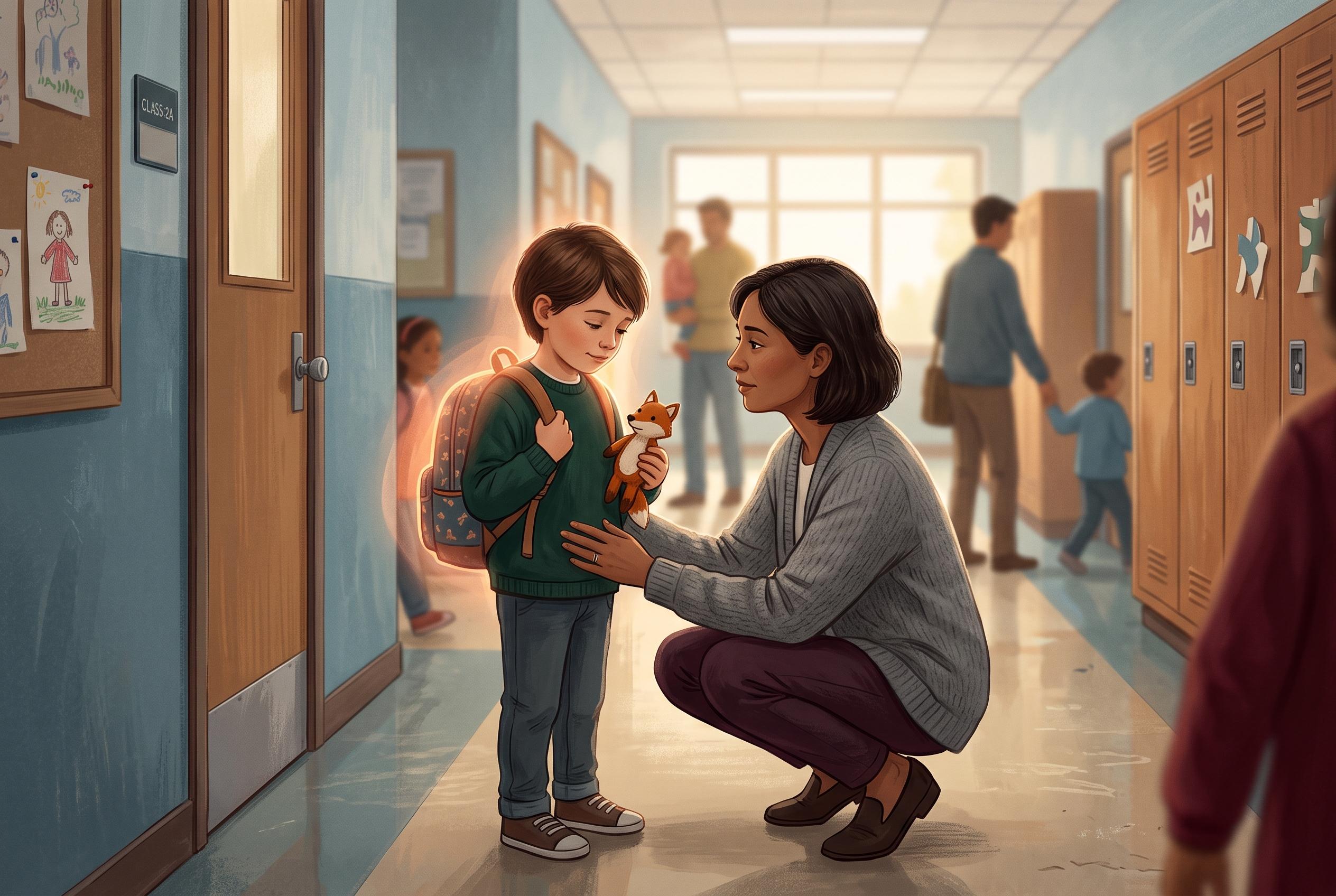

Educators and parents are adopting ‘The Invisible Backpack’ metaphor to support children in recognising and coping with anxiety, fostering a sense of safety and belonging in schools amid increasing emotional challenges.
Before children even step through the school gates, many are already carrying a heavy mental load. Gavin McCormack describes that burden as the “Backpack of Anxiety”: a hidden collection of worries about teachers being absent, surprise tests, lunch-time friendships, embarrassment and whether they will feel they belong. The point, he argues, is that children may not always voice these fears, but the worries can still shape how they experience the school day.
That idea sits squarely within the wider social and emotional learning movement, where educators are increasingly looking for ways to help pupils name feelings and ask for help. Teaching resources built around “The Invisible Backpack” use story-based activities, reflection sheets and role-play to help children identify “big feelings” and find language for anxiety. Similar classroom materials for lower primary pupils focus on empathy, coping strategies and the reassurance that adults and peers can help carry emotional strain.
The underlying lesson is practical as well as emotional. When children are constantly alert to social risk, sudden change or possible humiliation, they have less attention left for memory, curiosity and learning. McCormack says teachers cannot eliminate every difficulty, but they can remove needless uncertainty by keeping routines steady, explaining changes in advance, greeting pupils by name and making assessment feel purposeful rather than threatening. The aim is not to shield children from challenge, but to make the school environment predictable enough for them to meet it.
Parents, too, have a role. McCormack urges adults to listen without immediately brushing aside a child’s concern or rushing to fix it. Naming a worry can make it feel smaller, while a reliable adult presence can make a classroom feel safer. Other child-focused products and stories built around the same metaphor make a similar case: children cope better when they have tools, trusted people and clear routines. The message is simple enough, but powerful. A child’s sense of safety depends less on the absence of difficulty than on the presence of adults who notice, respond and help them feel that they belong.
Disclaimer: This content is for informational purposes only and is not intended to be a substitute for professional medical judgment, advice, diagnosis, or treatment.