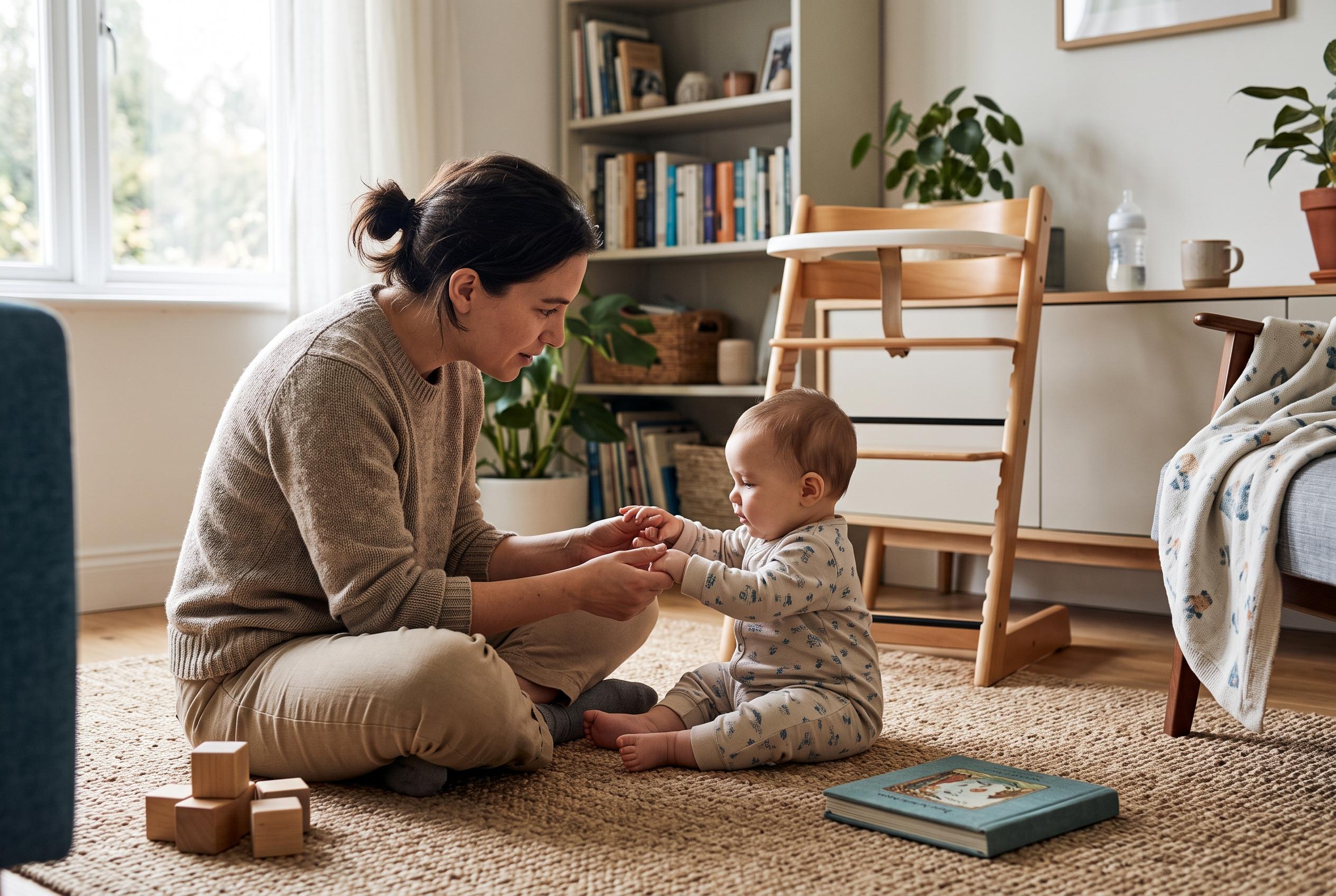

Teaching babies simple hand signs before speech can calm daily routines and foster emotional connection, according to experts. Starting between six and nine months, parents are encouraged to focus on practical signs tied to everyday routines, with consistency deemed more important than perfection. While sign language supports early communication and bonding, it is not a substitute for developmental assessment if concerns arise.
Teaching babies a few simple hand signs before they can speak can make daily life calmer for families and less frustrating for children. Parents who use signing are not trying to rush language; they are giving babies a practical way to communicate before words arrive, often during the months when crying, pointing and fussing are still the main tools. According to Cleveland Clinic and other parenting guides, the aim is connection, not performance.
Most experts suggest starting somewhere between six and nine months, though older babies can still benefit. The key signs are the ones tied to everyday routines: milk, eat, more, all done and sleep. Healthline and The Bump both note that babies learn best when the same sign is paired with the same word again and again, in the same context, so feeding, bedtime and playtime become the easiest places to begin.
The approach is simple. Say the word, make the sign and do both together every time. Repeat it slowly and clearly, then respond warmly to any attempt, even if the gesture is clumsy or incomplete. Pampers and The Bump both stress that consistency matters more than perfection, and that children often need weeks of modelling before they copy anything back.
Parents often worry that baby sign language might delay speech, but the opposite is generally true. Cleveland Clinic and Midsouth Therapy Group both say signing does not stop children from talking; instead, it can support early communication and reduce frustration while spoken language is still developing. Many families also find that it strengthens bonding, because signing naturally encourages eye contact, attention and repetition during ordinary care routines.
That said, signing is not a cure-all. It will not prevent every tantrum, and it should not replace close observation of a child’s wider development. If a baby is not babbling, not responding to sound or not engaging socially in the expected way, parents should speak to a paediatrician. Signing is a helpful bridge, not a substitute for assessment when there are concerns.
For families that want to try it, the easiest method is to keep the first set very small and use signs that solve real problems. Offer them during meals, naps, bath time and outings, and let caregivers use the same motions so the baby gets one clear message. Healthline and PatPat both recommend building slowly, adding new signs only after the first ones are well established.
As speech emerges, signs usually fall away on their own. Parents can keep signing alongside the word for a short period, then gradually stop once the child begins using speech confidently. That transition is often easiest when adults follow the child’s lead rather than treating signing as a formal programme. Used that way, it can be a gentle tool that supports communication at a stage when babies have a great deal to say but very few words.
Disclaimer: This content is for informational purposes only and is not intended to be a substitute for professional medical judgment, advice, diagnosis, or treatment.