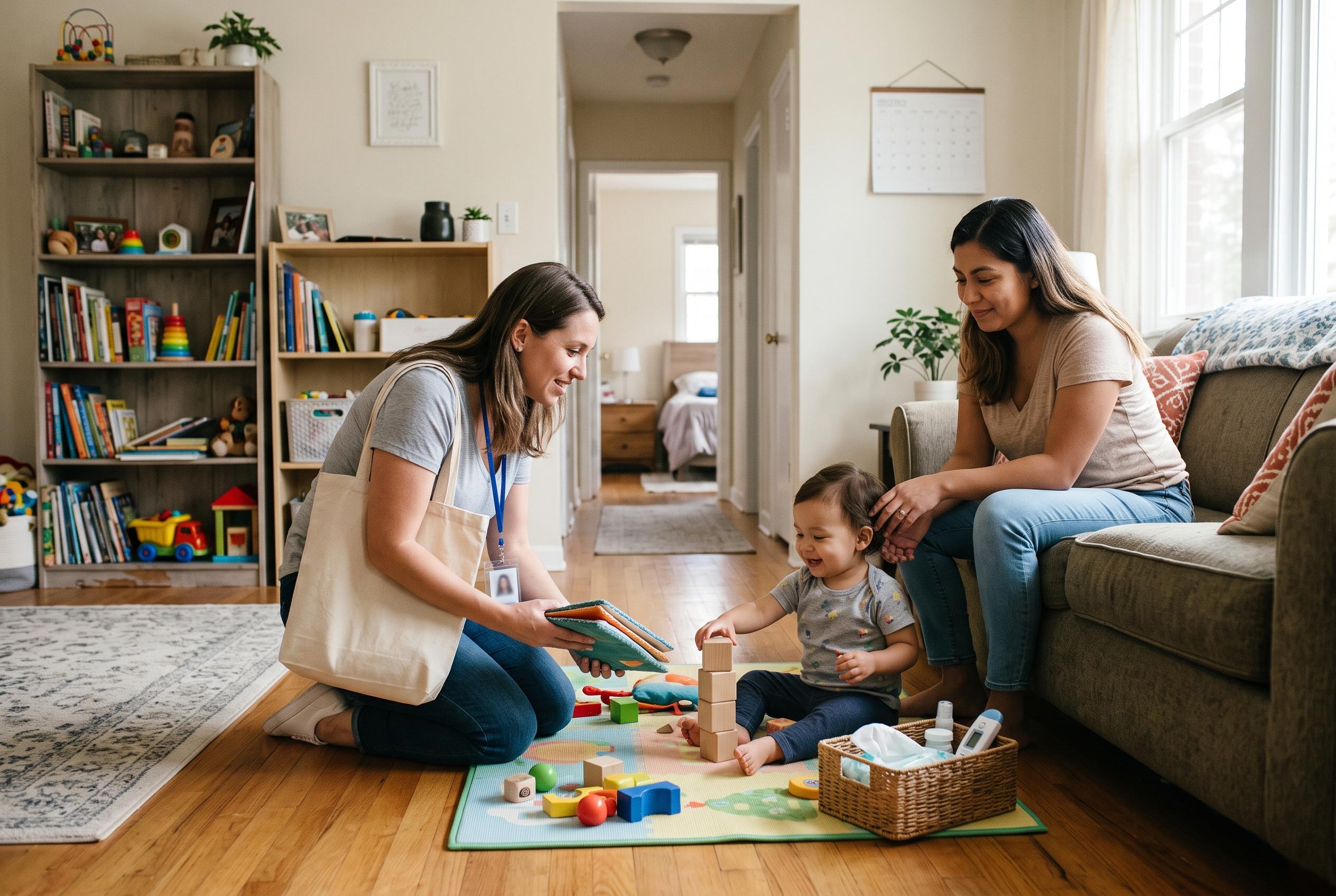

A comprehensive federal study demonstrates that early voluntary home visiting significantly improves maternal and child outcomes, with effects lasting into kindergarten and beyond, highlighting the importance of timely, sustained support for vulnerable families.
A large federal evaluation has added hard evidence to a long-running argument among child advocates: voluntary home visiting can make a measurable difference for families, and the gains can last for years. The study, known as the Mother and Infant Home Visiting Programme Evaluation, tracked 4,229 families in 12 states and used random assignment, the standard method for testing cause and effect, to compare families offered Maternal, Infant and Early Childhood Home Visiting services with those who were not.
According to the federal report, the strongest effects showed up by the time children reached kindergarten. Researchers found positive outcomes in maternal coping and parenting behaviour, maternal mental and behavioural health, parent-child interaction, family conflict and maltreatment, and family economic stability. They also saw benefits in children’s social-emotional functioning at home, though the study found weaker evidence of long-term gains in cognitive, language and maths skills.
That matters because home visiting is designed to reach families before problems escalate. The federal programme pairs trained visitors with pregnant people and parents of young children to set goals, build parenting skills and connect families to community support. HRSA says the programme is voluntary and evidence-based, and it reported that in fiscal 2025 it delivered more than one million home visits and reached 158,000 children and parents nationwide.
Advocates say the findings support a broader shift towards earlier, upstream intervention, rather than waiting for families to enter crisis systems. The article’s lead author argues that this is especially important for Minnesota, where public reporting on local outcomes and fuller use of federal MIECHV funds could help show what works. The same logic is echoed in tribal programmes discussed by Native News Online, where home visitors are being trained to deliver culturally grounded language and developmental support in remote communities.
For policymakers, the message is less about a single programme than about timing. MIHOPE suggests that when support begins early, and continues long enough to be measured properly, it can improve family stability in ways that matter well beyond infancy. Researchers plan a further follow-up through third grade, along with a full cost-benefit analysis, which should give governments and local agencies a clearer picture of whether these services pay off over the long term.
Disclaimer: This content is for informational purposes only and is not intended to be a substitute for professional medical judgment, advice, diagnosis, or treatment.