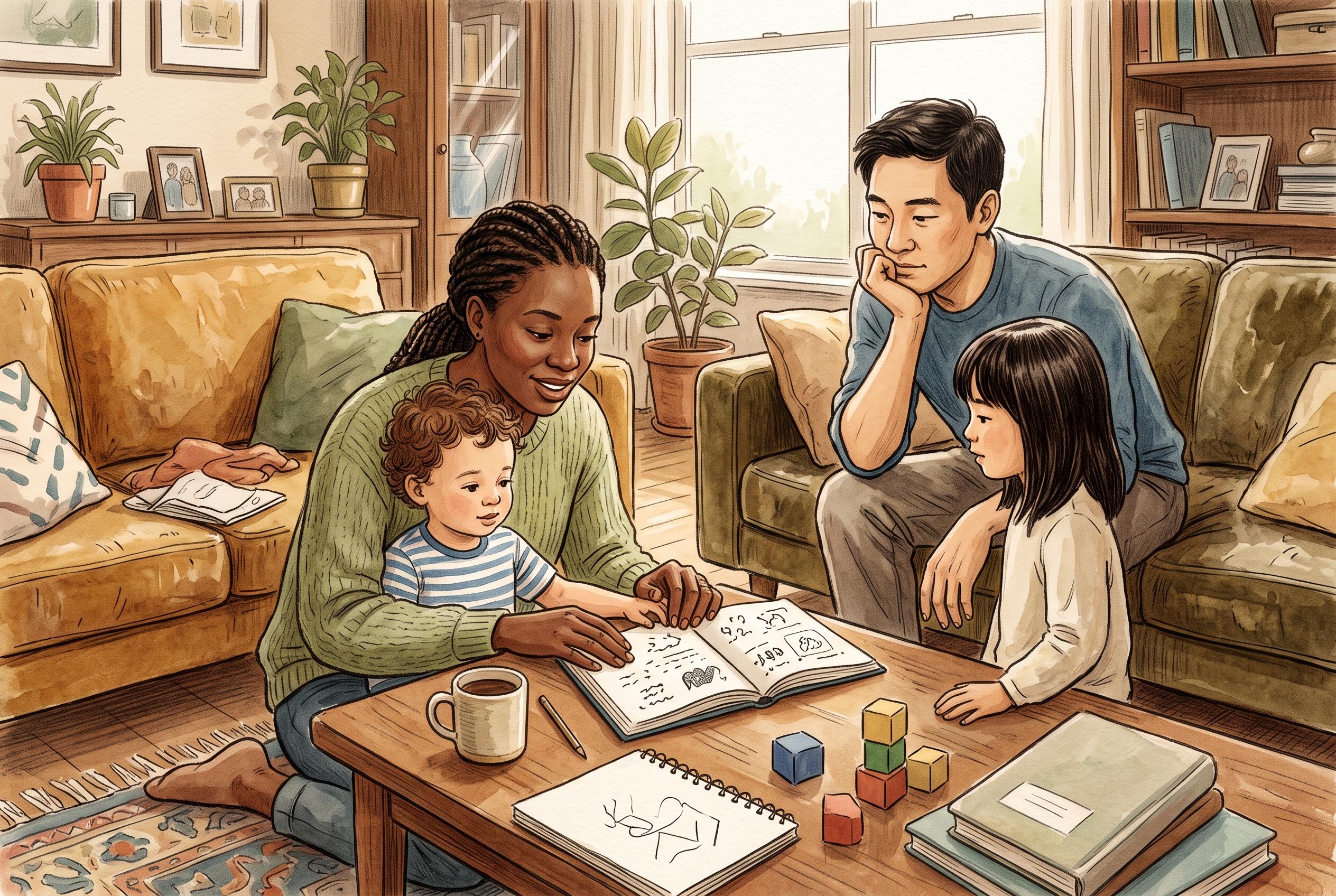

A recent analysis indicates that nearly half of narcissistic traits may be inherited, challenging long-held views that upbringing is the primary influence. Experts emphasise that both biology and environment shape narcissism, with implications for parenting and mental health understanding.
A new analysis suggests narcissism may be shaped far more by biology than many parents have been led to believe. According to research published in Sage Journals, around half of the variation in narcissistic traits appears to be genetic, with the rest linked mainly to environmental influences that are not shared within families. That finding pushes back against the long-held assumption that narcissism is chiefly the product of upbringing.
The report builds on earlier work showing that two main aspects of narcissism, grandiosity and entitlement, are moderately heritable. A 2014 twin study found genetic influence of about 23% for grandiosity and 35% for entitlement, while the remainder was tied largely to experiences unique to each person. In other words, narcissism does not appear to come from a single gene or a single parenting style, but from a more complicated mix of inherited tendencies and life experiences.
Psychologists quoted in the article say the new research should not be read as a verdict on parents. Claire Hart, an associate professor at the University of Southampton, said the 50% figure does not mean half of a person’s narcissism comes directly from one parent or that a narcissistic parent is destined to have a narcissistic child. Instead, she said, it reflects how genetic differences help explain why some people are more narcissistic than others. Hart also pointed to earlier evidence that parental overvaluation, treating a child as especially special or entitled, can increase narcissistic traits over time.
Craig Malkin of Harvard Medical School said the findings undermine the idea that parenting style alone creates severe narcissism. But he stressed that parents still matter because a child’s temperament is only part of the story. Warmth, limits and responsiveness, he said, can help steer a child with difficult traits towards healthy confidence rather than destructive self-importance. He also noted that narcissistic traits can change over time and often ease with age.
Not everyone is convinced the new work settles the issue. Ramani Durvasula argued that the study looks at a narrow slice of narcissism and does not prove that all of its features, including low empathy and selfishness, are inherited. Sam Vaknin took a harder line, saying the research does not show that genes determine narcissism or that parenting is irrelevant. Kathleen Saxton, meanwhile, said family relationships still shape how vulnerability is expressed, with children reacting very differently to the same narcissistic environment. The practical message, Hart said, is not to panic about family history, but to focus on warmth, empathy, clear boundaries and seeing children as separate people.
Disclaimer: This content is for informational purposes only and is not intended to be a substitute for professional medical judgment, advice, diagnosis, or treatment.