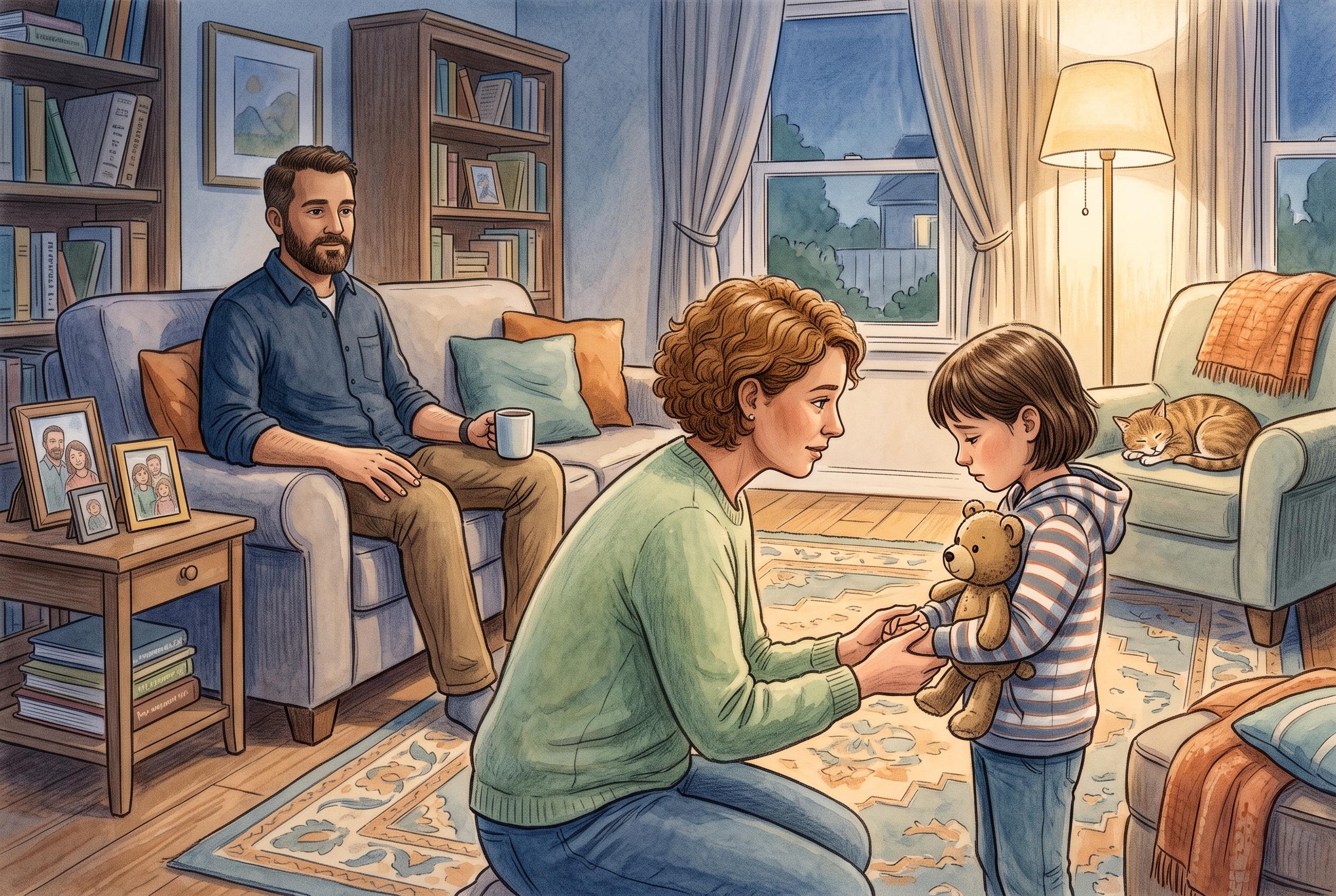

Children exposed to domestic and family violence often display behavioural signs that reflect distress, requiring recognising the varied impacts across ages and the importance of supportive intervention.
Children who live with domestic and family violence often show distress in behaviour before they can explain it in words. They may become clingy, withdrawn, jumpy or aggressive, sleep badly, start wetting the bed again or seem constantly alert to tension in the home. The Australian government says such exposure can affect a child’s emotional, psychological and physical wellbeing, and in some homes children are also harmed directly rather than simply witnessing violence. Sources from the United States National Library of Medicine and Michigan State University Extension likewise show that the effects can vary according to age and stage of development.
The signs are not the same for every child. Infants and toddlers may be difficult to settle, become upset when separated from a parent or show changes in eating and sleeping patterns. Preschool children often revert to earlier habits such as thumb-sucking or bedwetting, while primary school-age children may struggle to concentrate, lose confidence or complain of stomach aches and headaches. Teenagers can respond with anger, withdrawal, truancy, risk-taking or self-harm. A review indexed by PubMed found that exposure to domestic violence can affect children across many parts of their development, not just in the short term.
What often sits beneath these changes is a body and mind on constant alert. When a child lives with fear and uncertainty, behaviour can become a form of communication: anger, clinginess, silence or restlessness may all be signs of stress rather than defiance. The responsibility for the violence always belongs to the person using it, and siblings in the same household may react in very different ways. That variation is one reason experts warn against assuming there is a single pattern of harm.
Support from a safe adult can make a meaningful difference. The Australian government advises that children benefit from predictable routines, reassurance that the violence is not their fault and steady connection with trusted adults, teachers and relatives. Similar guidance from the Federal Circuit and Family Court of Australia emphasises the value of warmth, structure and regular school and activity attendance. Small, consistent steps often matter more than trying to solve everything at once.
Professional help is worth seeking if distress does not ease, if behaviour is affecting school or friendships, or if a parent feels unsure how to respond. A GP, child health nurse, school counsellor, psychologist or family counsellor can help assess what support is needed. In Australia, 1800RESPECT offers national counselling on 1800 737 732, Kids Helpline is available on 1800 551 800, Lifeline provides crisis support on 13 11 14, and emergency services should be called on 000 if anyone is in immediate danger.
Legal protection may also form part of a child’s safety plan. Parenting arrangements and family violence restraining orders can help reduce harm and create more predictable contact where that is appropriate. Loukas Law says the family court’s paramount consideration is a child’s best interests, with safety from family violence central to that assessment. For families facing these issues, early advice can help parents understand their options and decide what steps to take next.
Disclaimer: This content is for informational purposes only and is not intended to be a substitute for professional medical judgment, advice, diagnosis, or treatment.