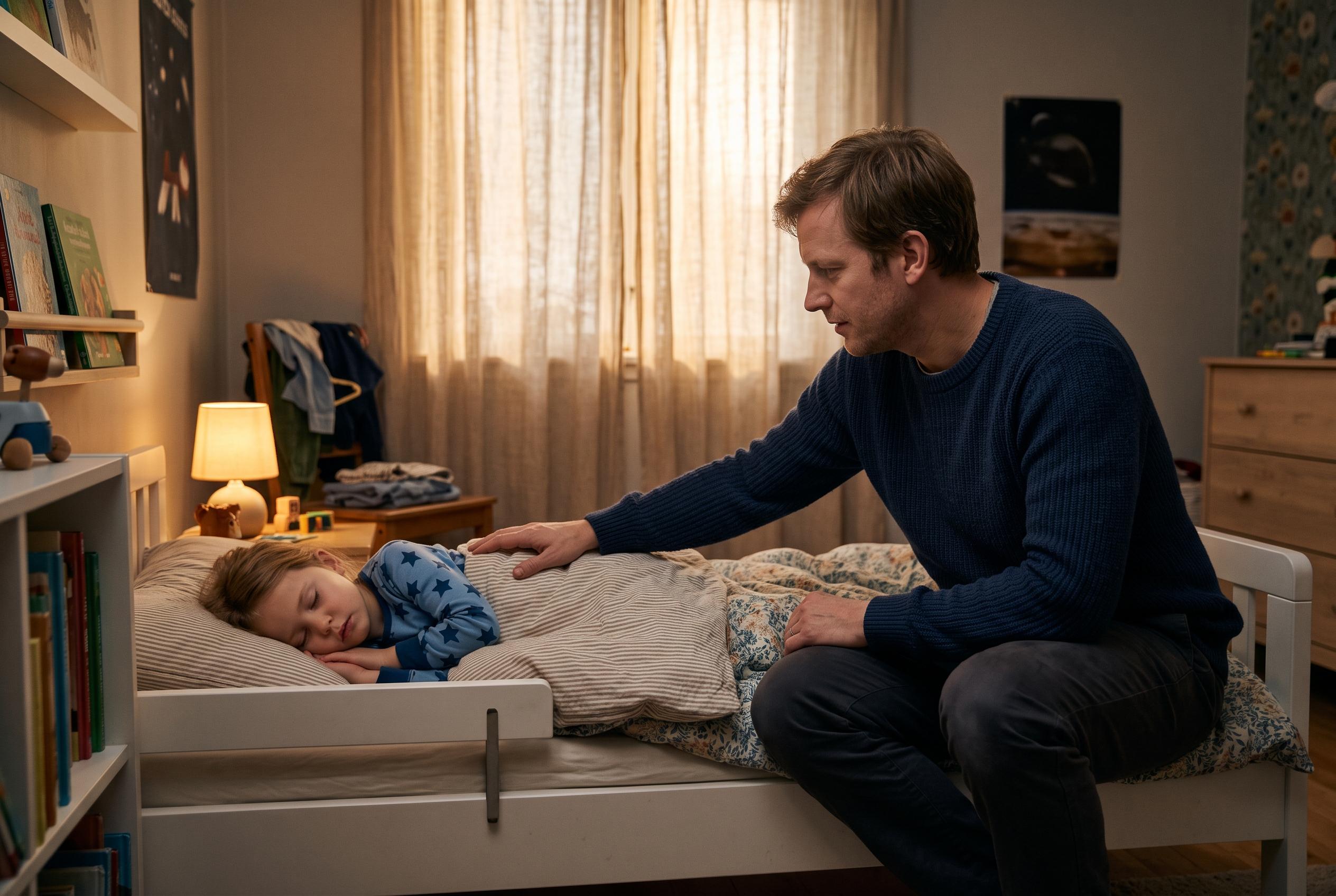

Recognising subtle signs of sleep deprivation is crucial for children’s health and academic performance, with recent research emphasising the need for consistent sleep routines and early interventions.
Children do not always say they are tired, but a lack of sleep often shows up in other ways. Irritability, sudden mood changes, trouble concentrating and unusual bursts of energy can all point to a child who is not getting enough rest. The issue matters because sleep is tied not only to comfort, but also to growth, learning, emotional regulation and how children function through the day.
The US Centres for Disease Control and Prevention says insufficient sleep in children is common and varies by age and location. The agency notes that not getting enough sleep can affect attention, behaviour and school performance, while also raising longer-term health risks. Research cited by the National Institutes of Health has also linked short sleep in pre-teens with differences in brain structure and more difficulties with mood and thinking.
Signs can appear in everyday routines. A child who becomes unusually cranky, has frequent tantrums or seems more restless than usual may be struggling with sleep loss. Others may have trouble following instructions, finishing schoolwork or remembering tasks they normally manage easily. According to the Sleep Foundation, daytime sleepiness, difficulty concentrating, waking unrefreshed and poor academic performance are all common warning signs.
Sleep deprivation can also look like the opposite of tiredness. Some children become more active, impulsive or hard to settle, which can make the problem easy to miss. Frequent yawning, dozing off in the car or during television time, and repeated difficulty getting out of bed in the morning are further clues that a child may need more sleep.
How much sleep a child needs depends on age. The American Academy of Sleep Medicine recommends 12 to 16 hours a day for infants aged four to 12 months, 11 to 14 hours for children aged one to two, 10 to 13 hours for those aged three to five, 9 to 12 hours for children aged six to 12, and 8 to 10 hours for teenagers aged 13 to 18. These figures include naps where appropriate and are meant as general guides, not rigid rules.
Parents can often improve sleep by keeping bedtimes and wake-up times steady, limiting screens before bed and creating a calm routine with activities such as bathing, reading or quiet play. A quiet, comfortable bedroom can also help. If a child regularly struggles to sleep, snores loudly, stops breathing during the night or seems exhausted despite enough time in bed, paediatric advice is warranted.
Disclaimer: This content is for informational purposes only and is not intended to be a substitute for professional medical judgment, advice, diagnosis, or treatment.