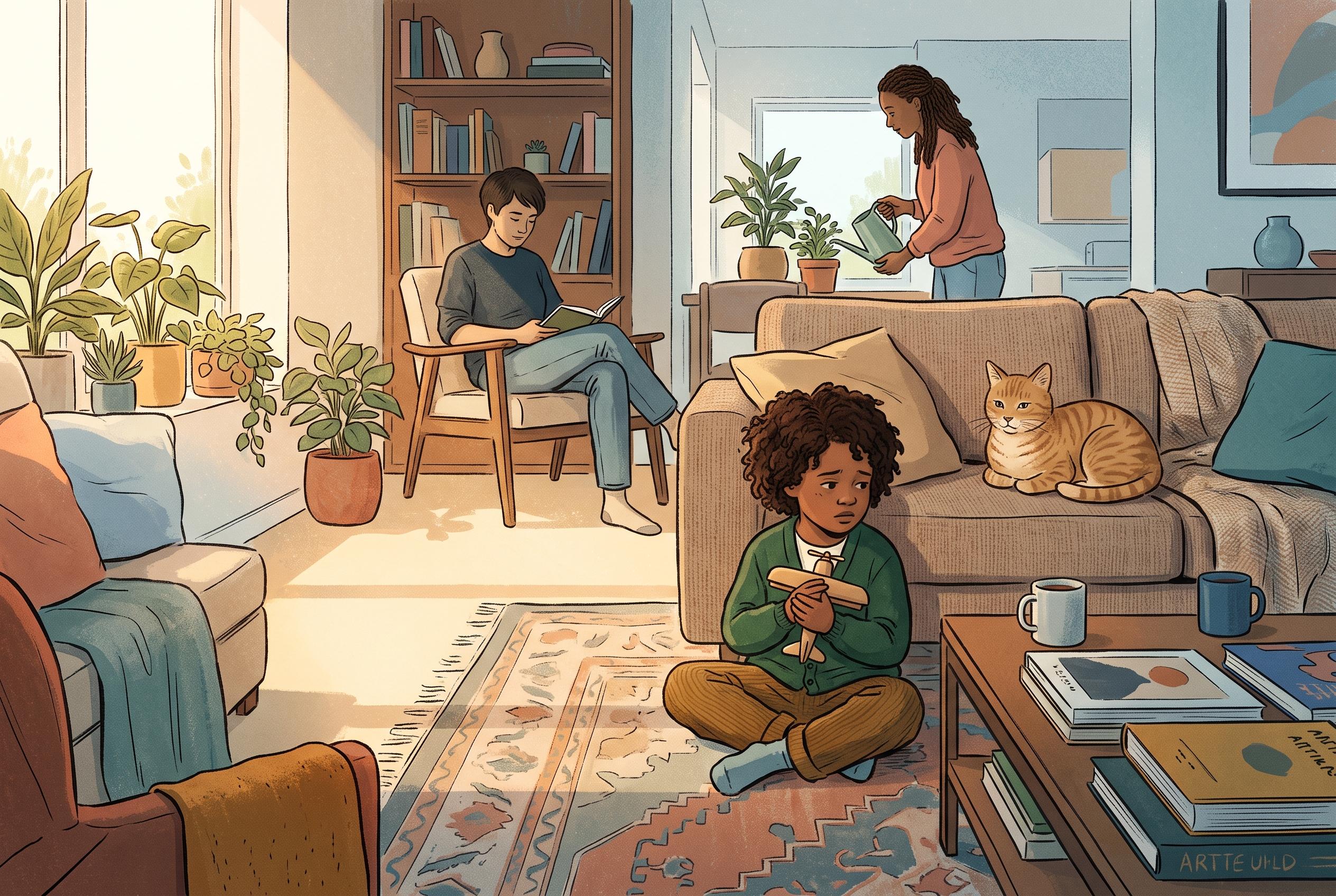

Research from the INMA Project reveals that children aged four and five living with cats may experience more anxiety, depression, and aggression, highlighting the complex role of pets in child development.
Researchers have found that not all household pets appear to affect children in the same way, with cats standing out in one large study as the animal most closely linked to poorer mental health outcomes in early childhood. The findings, drawn from the INMA Project and based on data from 1,893 families, suggest that the type of pet in the home and the stage of childhood both matter. According to reporting cited by the Independent, the strongest association was seen among children aged four and five who lived with cats.
The study looked at whether living with different animals was associated with anxiety, depressive symptoms and aggressive behaviour. Pets were present in just over half of the families examined, with dogs the most common, followed by birds, cats and a range of smaller animals including hamsters, rabbits, tortoises and fish. Researchers said the cat link should not be read as proof of cause and effect, and noted that family circumstances or a child’s existing traits may help explain why some households choose cats.
By contrast, the same research found no clear pattern connecting dogs or birds with worse mental health. The paper also suggested that regular contact with smaller pets such as hamsters, rabbits, tortoises and fish was tied to more positive psychological outcomes. Researchers said routine care may help children practise responsibility, empathy and emotional control, while steady, everyday contact appeared more meaningful than occasional interaction.
That broader view fits with other studies on pets and child development. Research published in Behavioural Sciences has found that positive interactions with pet dogs can support secure attachment and healthy emotional regulation, while other work has linked household pets with changes in parent-child conversation and daily routines. Taken together, the evidence points to a simple conclusion: pets can support a child’s development, but the benefit depends on the animal, the relationship and the home environment.
Disclaimer: This content is for informational purposes only and is not intended to be a substitute for professional medical judgment, advice, diagnosis, or treatment.