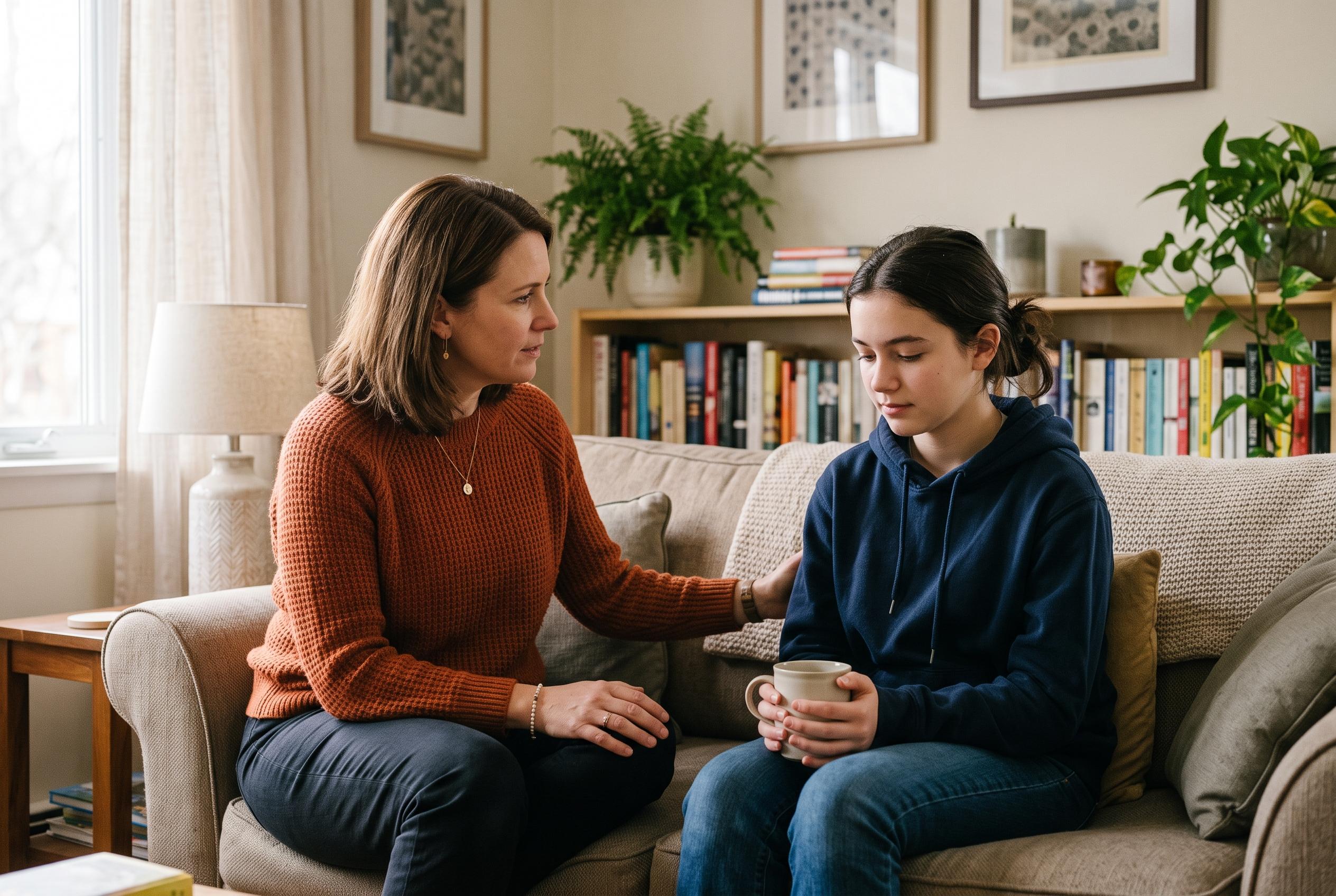

Experts emphasise that supporting girls during puberty involves more than facts , it requires reassurance, clear boundaries, and adults who listen, fostering confidence and resilience amid physical and emotional changes.
Girls need more than facts to get through puberty; they need reassurance, clear boundaries and adults who will listen. In a conversation hosted by Amanda Rogaly, founder and chief executive of BabyYumYum, and Dr Mpume Zenda, an obstetrician, gynaecologist, sexologist and mother, the pair argued that adolescence should be treated as a period for support, not shame. They said young people are often trying to manage physical change, emotional uncertainty and social pressure all at once.
Dr Zenda said puberty is about far more than menstruation or bodily development. As girls grow, they may be dealing with changes in appearance, friendships, mood and confidence, while social media adds another layer of scrutiny. UNICEF Parenting has also warned that the hormonal changes of puberty can sharpen awareness of body shape and size, making young people more vulnerable to insecurity and comparison.
Family life, both women suggested, is where much of that confidence is formed. Dr Zenda said home should be the place where children feel most accepted and most affirmed. Research reviewed in the Journal of Women, Education, and Social Welfare supports that view, linking warm, open communication and democratic parenting with stronger self-belief, resilience and autonomy in girls. The Institute for Reproductive Health similarly says early adolescence, roughly ages 10 to 14, is a crucial stage for building body literacy and helping young people understand the changes ahead.
The discussion also challenged the idea that consent is only relevant once teenagers begin dating. Dr Zenda framed it as a wider lesson in agency, privacy and speaking up when something feels wrong. That message matters, because adolescents are still developing the parts of the brain needed for long-term judgement, even as emotions can already feel intense and immediate.
On healthcare, Dr Zenda said there is no fixed age for a first gynaecology visit. The point, she said, is to build trust early, answer questions about puberty and menstruation, and make sure a teenager feels safe enough to return. The American College of Obstetricians and Gynaecologists says that helping girls understand their changing bodies can improve confidence and support healthier decision-making during adolescence.
The conversation also pushed back against stereotypes around teenage pregnancy. Dr Zenda said many girls who become pregnant still have ambitions, but may face poverty, limited access to services and weak support systems. That broader context matters, she said, because teenagers need guidance rather than blame. For parents and caregivers, the message was simple: calm words, honest conversations and steady encouragement can help girls move through puberty with more confidence and less fear.
Disclaimer: This content is for informational purposes only and is not intended to be a substitute for professional medical judgment, advice, diagnosis, or treatment.