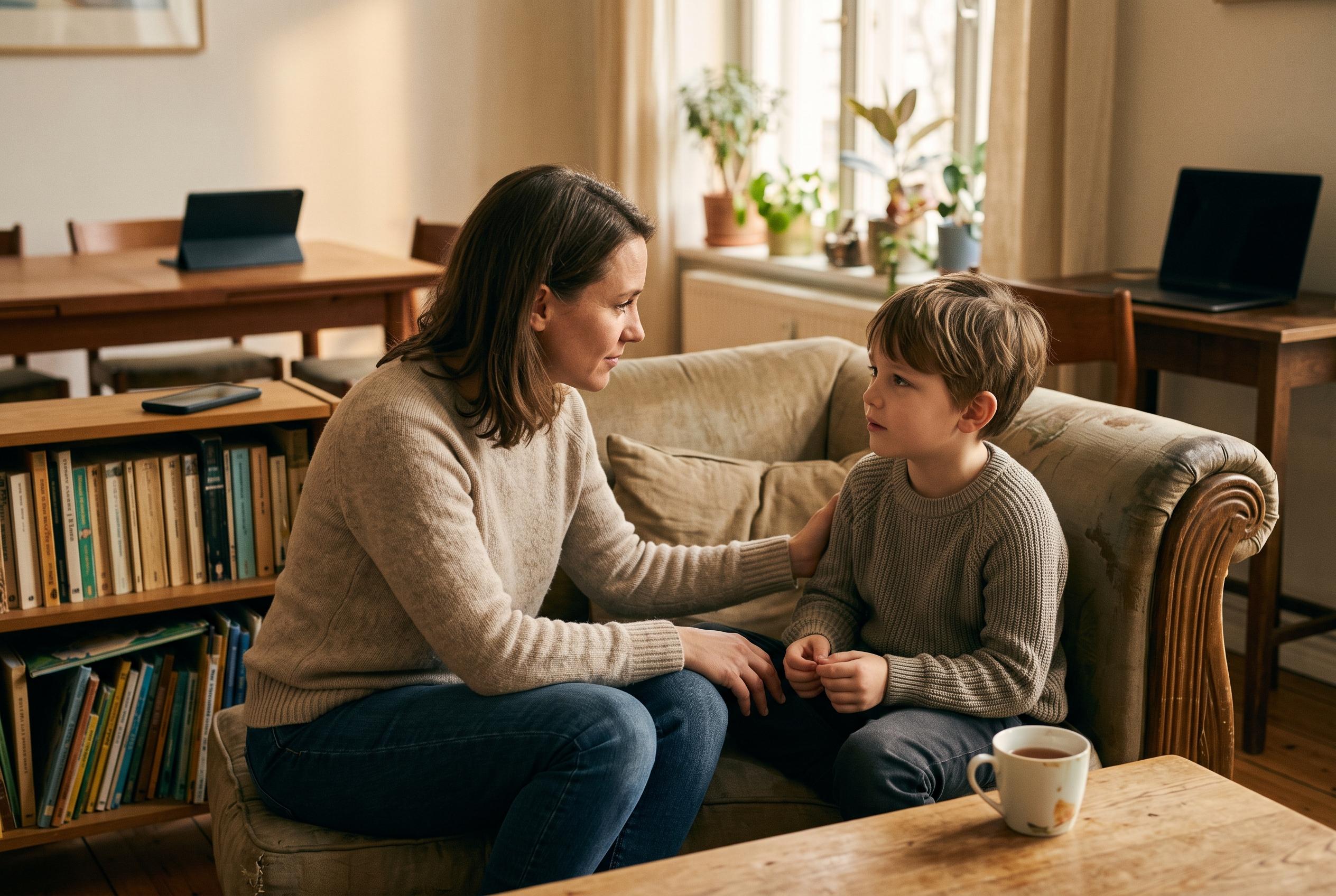

A growing trend towards more empathetic, conscious parenting practices reflects a deliberate move away from traditional rules and punishments, as families navigate new emotional and technological landscapes.
Parenting has changed less through one dramatic break than through a series of quiet adjustments. Many families now explain rules instead of delivering them as orders, talk openly about feelings, and try to avoid repeating patterns they disliked in their own childhoods. A 2023 Pew Research Centre survey found that nearly half of parents are actively trying to raise their children differently from the way they were brought up, which helps explain why so many households feel unlike the ones that shaped them.
One of the clearest shifts is the move towards more conversational discipline. Gentle parenting, which centres empathy, respect and communication, has become especially common among millennial parents, although writers in Psychology Today and ParentMap note that it is still debated and not backed by a large body of research. Critics argue that it can leave some parents uncertain about boundaries, but supporters say it encourages calmer, more connected households and reduces the reflex to rely on punishment.
That wider change has also encouraged many parents to think consciously about cycle-breaking. Rather than simply softening the rules they grew up with, some are deliberately trying to interrupt habits they see as harmful, whether that means avoiding physical punishment, managing conflict differently, or being more careful about how authority is used. Articles in Psychology Today and The Atlantic describe both the appeal and the strain of that approach: it can feel more humane, but it can also leave parents exhausted, especially when they are trying to balance warmth with structure.
Technology has become another fault line between generations. Many parents now delay smartphones for as long as they can, treating them less as a convenience and more as a risk to manage. That caution reflects broader concerns about screen time, social media and the pressures children face online, and it sits alongside a growing reluctance to post too much about children on social media. What once felt like harmless sharing is now more often treated as a privacy decision, with parents weighing a child’s future autonomy against the urge to document everyday life.
The same rethink is visible in how families handle mental health and daily routines. Conversations about anxiety, stress and therapy are far more common than they were for many parents’ own childhoods, and that openness reflects a larger cultural shift towards naming emotional needs rather than hiding them. At the same time, many households are becoming more flexible, adjusting expectations to fit each child rather than applying one fixed rulebook to everyone. The result is a style of parenting that is less about strict obedience and more about adaptation, reflection and negotiation.
Disclaimer: This content is for informational purposes only and is not intended to be a substitute for professional medical judgment, advice, diagnosis, or treatment.