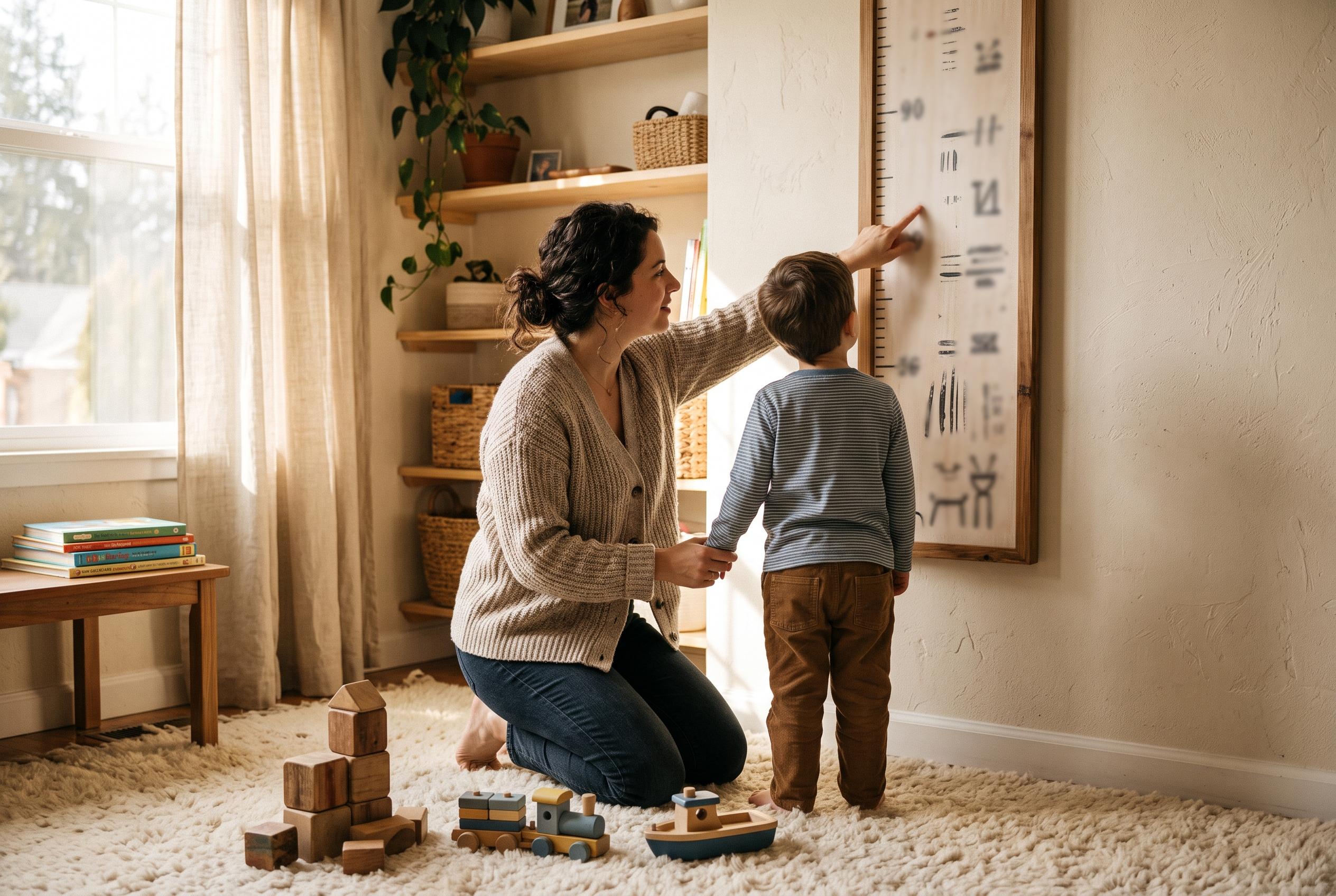

Growth and development in children encompass physical changes, cognitive skills, language, social, and emotional milestones. Experts emphasise the importance of viewing growth charts alongside broader health indicators to support healthy progress at every age.
Parents often hear about a child being “on track”, but growth and development are not the same thing. Growth refers to physical changes such as height and weight, while development covers the wider picture: movement, thinking, language, emotions and social skills. Together, these areas shape how a child learns, relates to others and becomes more independent over time.
Health professionals often use growth charts to follow a child’s progress. The CDC says these percentile charts show where a child’s measurements sit compared with others of the same age, helping clinicians and families spot patterns that may need closer attention. Other medical guidance, including from Cleveland Clinic, Nemours KidsHealth and Rady Children’s Health, notes that the charts are most useful when they are viewed alongside diet, genetics, general health and regular check-ups rather than in isolation.
Physical growth tends to move in clear phases. According to Merck Manual, babies grow rapidly in the first year or two, then usually follow a steadier pattern until puberty, when a second growth spurt begins. That pubertal stage brings major bodily changes, including shifts in body shape, growth in height and the development of secondary sexual characteristics. In practical terms, that means a child’s growth pattern can look very different at age two, age seven and age 13, even when all three are healthy.
Development is usually described across several linked domains. These include physical skills such as walking and writing, cognitive skills such as problem-solving and memory, language and communication, and social and emotional growth, including cooperation, confidence and self-regulation. Early childhood frameworks often add approaches to learning, which cover curiosity, persistence and creativity. These areas develop together, so progress in one can support progress in another.
Play is one of the simplest ways children build those skills. Pretend games, puzzles, building blocks and group activities can strengthen coordination, encourage language, improve attention and help children practise turn-taking and emotional control. For many families, ordinary play is not just a break from learning; it is part of learning itself.
Development also follows familiar patterns. Children usually move from simpler actions to more precise ones, from head control to trunk and limb control, and from broad movements to finer, more exact skills. The timing varies from child to child, which is why heredity, nutrition, health and environment all matter. Understanding these broad principles can help parents spot steady progress without expecting every child to develop in exactly the same way.
Disclaimer: This content is for informational purposes only and is not intended to be a substitute for professional medical judgment, advice, diagnosis, or treatment.