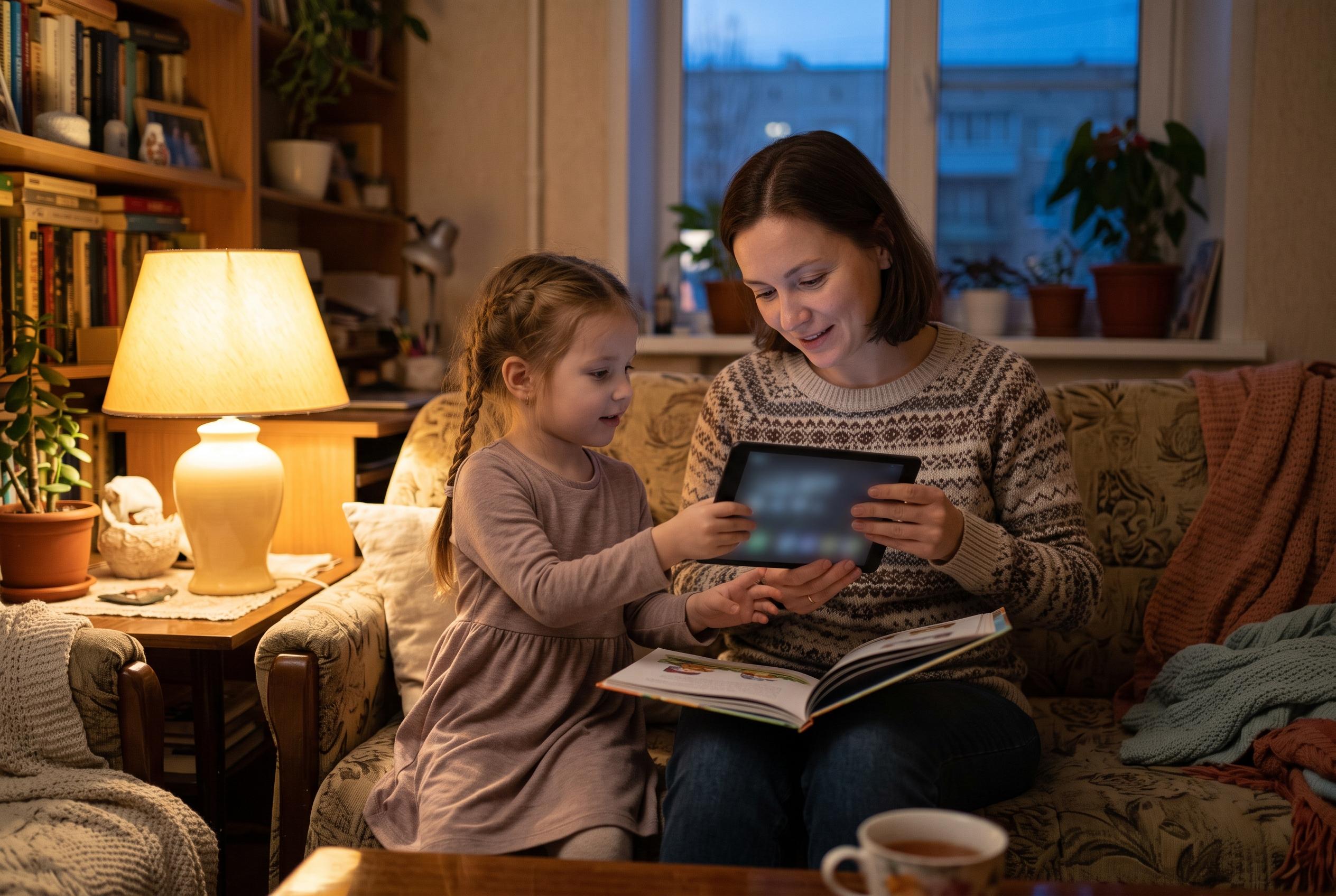

Rospotrebnadzor advises parents to reduce children’s evening screen use amid growing evidence linking heavy device use with poor sleep and mental health issues, emphasising the importance of a balanced daily routine.
Russian consumer watchdog Rospotrebnadzor is urging schoolchildren and their parents to cut back on smartphones, tablets and computers in the hours before bedtime, saying heavy evening screen use can make it harder to fall asleep and can disrupt a healthy daily rhythm. The agency said quieter activities such as reading are preferable in the last one to two hours before sleep.
The advice fits a wider body of research linking screen exposure and poor rest in children. A study in the Journal of Clinical Sleep Medicine found that younger children who used smartphones excessively slept for less time and woke more often during the night. Separate research on Korean school-age children, published in Sleep and Biological Rhythms, found that those at high risk of smartphone addiction were significantly more likely to report poor sleep quality.
Other recent work has raised broader concerns about early and heavy phone use. Axios reported on a University of Pennsylvania-led study that found 12-year-olds who owned smartphones were more likely to experience depression, obesity and insufficient sleep than peers without one. Earlier research cited by Time, drawing on JAMA Pediatrics, also linked device use in bedrooms with worse sleep in children and teenagers.
Rospotrebnadzor also emphasised that a child’s day should be balanced, with study time broken up by rest, regular physical activity and a steady eating schedule. On its guidance page, the agency says children aged seven to 10 should get 10 to 11 hours of sleep a night, those aged 11 to 14 should get 9 to 10 hours, and teenagers aged 15 to 17 should get 8 to 9 hours.
Disclaimer: This content is for informational purposes only and is not intended to be a substitute for professional medical judgment, advice, diagnosis, or treatment.