
Stranger anxiety, a common and important phase in early childhood, often peaks unexpectedly but signals healthy emotional growth. Experts emphasise gentle approaches to ease children through this developmental stage and highlight when further advice is needed.
Stranger anxiety is a normal stage in early childhood development, and it often arrives just when parents least expect it. A baby who once smiled at anyone may suddenly cry, cling or turn away when an unfamiliar face appears. According to child-development sources, this shift usually begins at about six to eight months, when infants become able to tell the difference between familiar caregivers and people they do not know well.
That change is linked to important brain development. As babies begin to understand object permanence, they start to recognise that people remain separate and real even when they are not immediately present. At the same time, attachment to primary caregivers becomes stronger, which is why a wary response to strangers can be a sign of healthy emotional growth rather than a problem.
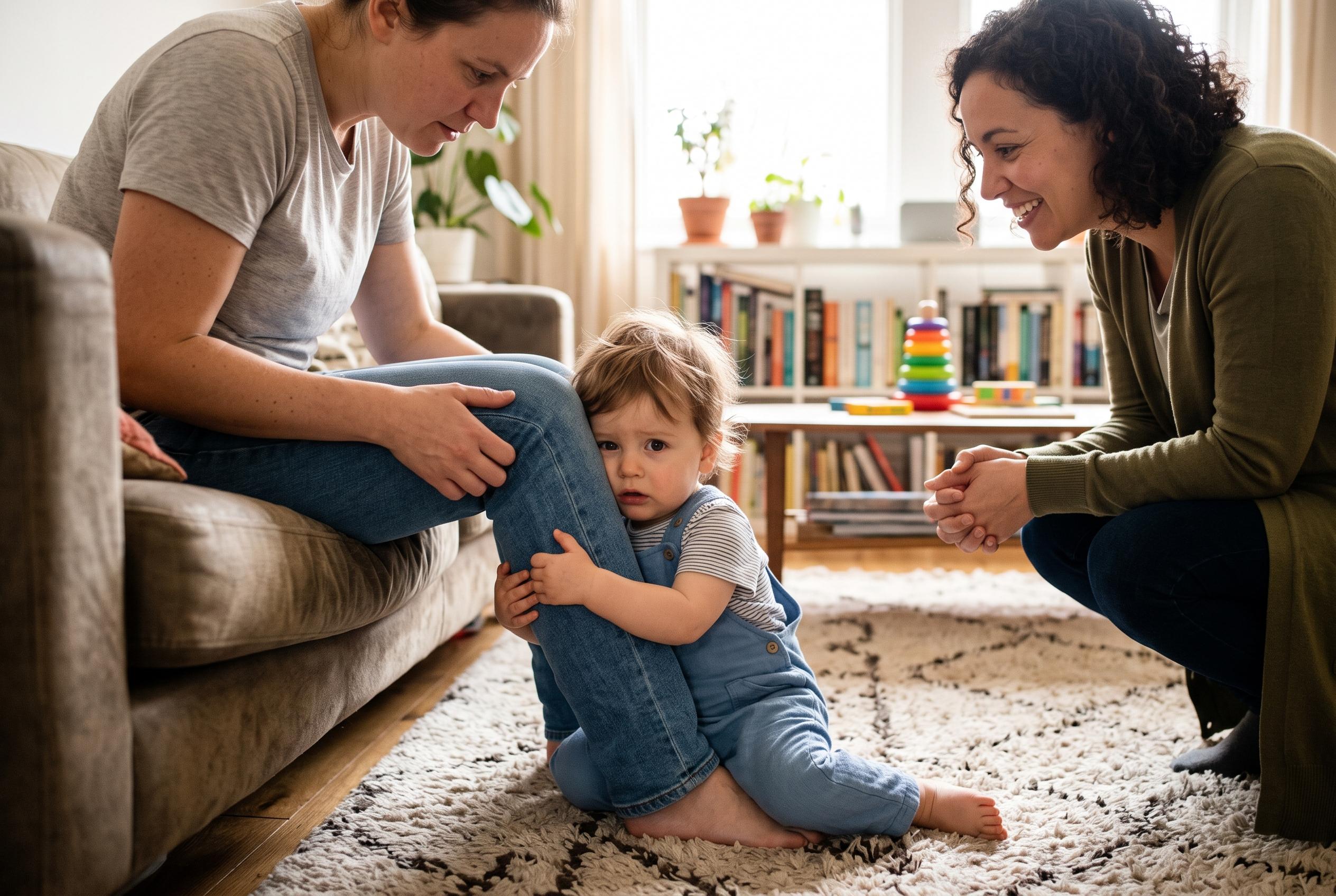
The reaction can look dramatic. Some babies cry as soon as someone new approaches, while others freeze, hide their face, or cling tightly to a parent or carer. In many children, stranger anxiety is most noticeable in the second half of the first year and may become more intense between about 10 and 18 months, especially in unfamiliar settings or when a new person moves too quickly.
It is helpful to distinguish stranger anxiety from separation anxiety. Stranger anxiety is about unfamiliar people; separation anxiety is about being away from a trusted caregiver. The Cleveland Clinic notes that separation anxiety commonly begins between six and 12 months and usually eases by around age three, while stranger anxiety is tied to the presence of people the child does not recognise. Many children experience both at once, which can make social situations especially difficult.
Parents can make this phase easier by taking a slow, calm approach. Holding the baby close, allowing time to watch from a distance, and introducing new people gradually can all help. Experts also advise against forcing greetings or cuddles. Comfort items such as a blanket or favourite toy may help, and so can a predictable routine when visitors arrive.
The same principles apply to grandparents, babysitters and other relatives who may feel stung by a baby’s distress. It helps to avoid taking the reaction personally and to let the child set the pace. Speaking gently, keeping initial interaction low-pressure and focusing attention on the parent rather than the baby can reduce tension and make future contact easier.
Most children grow out of stranger anxiety as they become more confident and their language skills improve, often during the second and third years of life. However, professionals say parents should seek advice if the fear remains severe, causes vomiting or prolonged screaming, or begins to disrupt childcare or medical visits. The absence of stranger anxiety is not usually a concern, either; children vary widely in temperament and in how strongly they respond to new people.
Disclaimer: This content is for informational purposes only and is not intended to be a substitute for professional medical judgment, advice, diagnosis, or treatment.