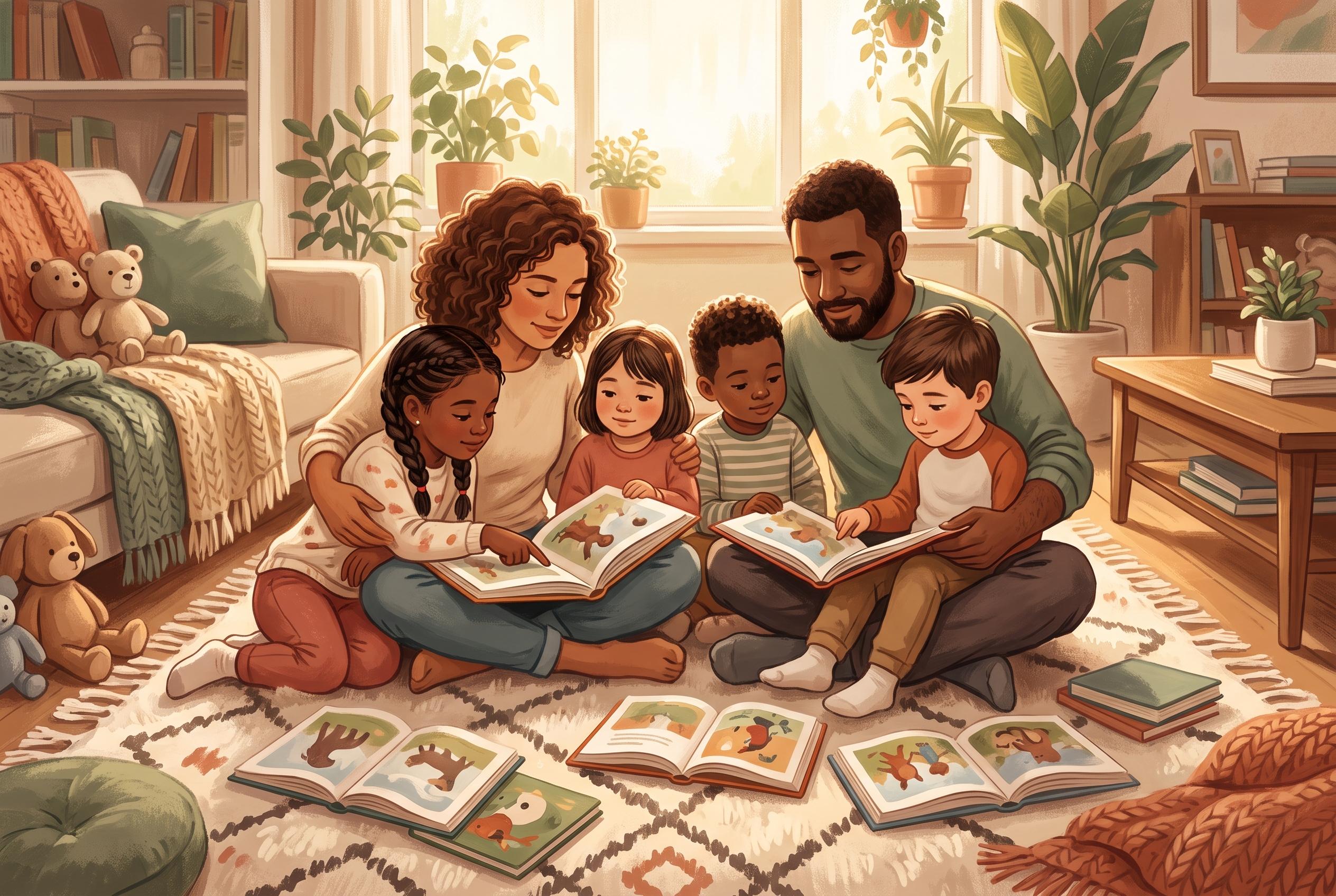

Picture books designed to mirror children’s anxieties about starting school can help young learners navigate new routines, easing separation nerves and preparing them for the next stage of education through familiar stories and shared reading.
For many children, the run-up to a new school year brings more worry than excitement. Books can make that shift feel less abrupt by giving children a safe way to explore fear, curiosity and confidence before they walk into a classroom. Parents and carers often find that repeated read-alouds help children rehearse what school might feel like, from saying goodbye at drop-off to meeting a teacher for the first time.
That is the thinking behind a wide range of picture books and early readers aimed at children starting nursery, pre-school, kindergarten or a new primary school. Scholastic says stories that mirror familiar worries can help children recognise those feelings in themselves and see characters handle them successfully. The American Psychological Association makes a similar case, arguing that books can make unfamiliar changes feel more manageable by turning them into something children can discuss, revisit and understand.
For children at the beginning of school life, gentle, reassuring stories can be especially useful. Titles such as “A Letter From Your Teacher”, “The Berenstain Bears Go to School” and “Superheroes LOVE Starting School” focus on the basics: meeting adults, settling into routines and learning that school is a place where children are supported as well as taught. Other popular choices, including “Daniel Goes to School” and “Curious George’s First Day of School”, lean into separation worries and first-day nerves, giving parents an easy way to open up conversations about being away from home.
As children get older, the anxieties often shift. A move to a new classroom or a different school can bring social pressure, uncertainty about friendship groups and fear of not fitting in. Book lists from Maple Kids and other parenting guides point to stories such as “Waffles the Chicken Classroom Jitters”, “Benny the Brave in The First Day Jitters”, “The Pigeon HAS to Go to School” and “The Day You Begin” as useful tools for helping children name those feelings and think through them step by step. The appeal of these books is not that they solve every problem, but that they show children they are not the only ones facing change.
Age-specific titles can also help families prepare for the next stage of learning. Books such as “The Night Before First Grade”, “Second Grade, Here I Come”, “How Not to Start Third Grade” and “Who’s Afraid of Fourth Grade?” give children a preview of what lies ahead and can spark practical questions about teachers, friends, lunch, homework and routines. By the time children reach middle school and high school, the focus often shifts towards independence, study habits and confidence, which is why titles like “Middle School Matters” and “The High School Survival Guide” are often recommended as transition tools rather than simply story time favourites.
If one lesson runs through all of these recommendations, it is that school is easier to face when children can picture it in advance. Reading 2 to 4 weeks before term starts can give children time to ask questions, repeat favourite stories and work through their worries without feeling rushed. For many families, that shared reading time becomes less about choosing the perfect book and more about building calm, confidence and a sense of readiness together.
Disclaimer: This content is for informational purposes only and is not intended to be a substitute for professional medical judgment, advice, diagnosis, or treatment.