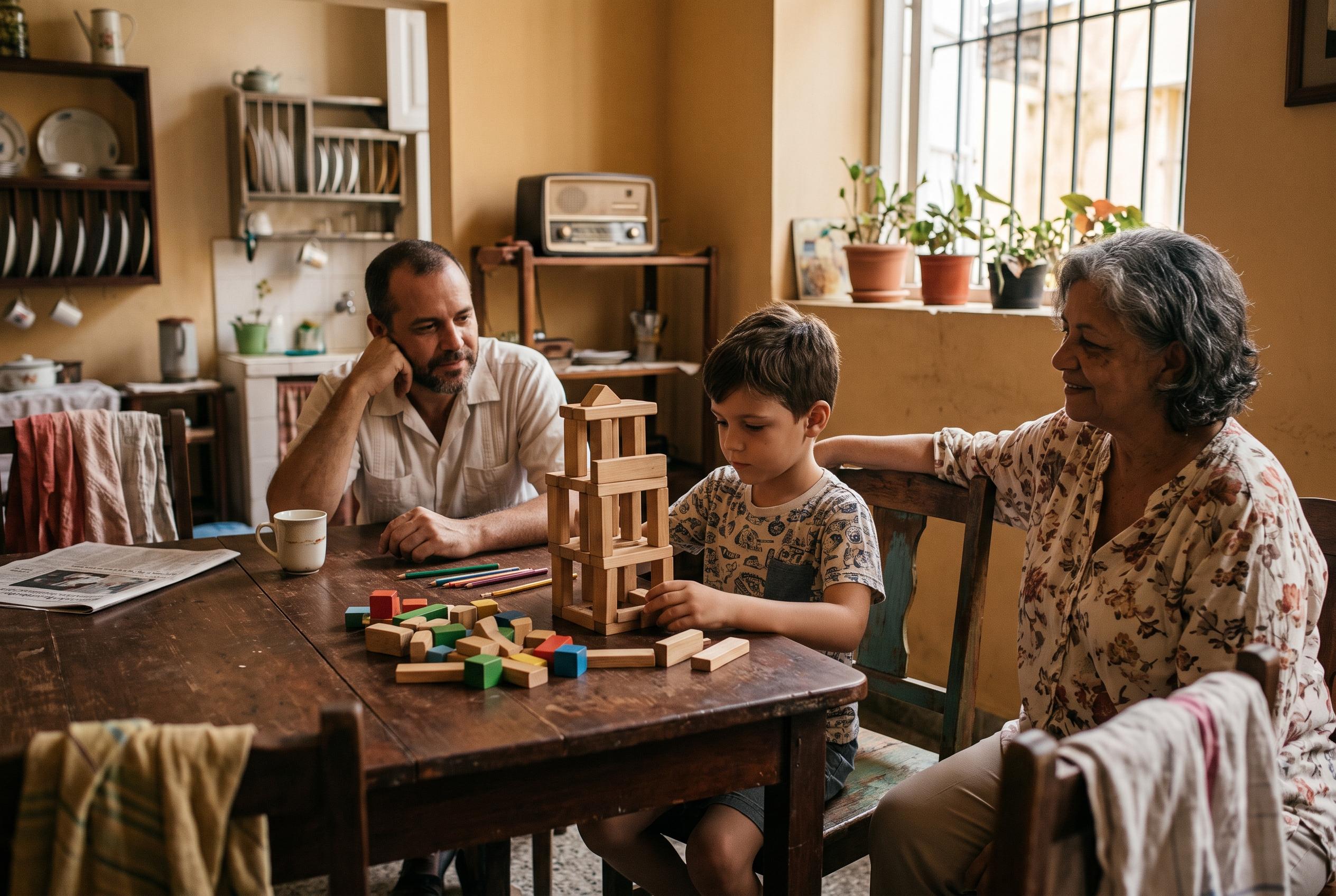

While stereotypes about hyperactivity prevail, Cuba is pioneering a holistic approach to ADHD, recognising the diverse manifestations of the condition and advocating for understanding and tailored support over punishment.
Attention deficit hyperactivity disorder, or ADHD, is often reduced to a stereotype: the restless child who cannot sit still or keep quiet. In Cuba, however, specialists and families describe a wider reality, one that also includes children whose behaviour draws little attention because they appear calm while their minds drift elsewhere. According to Cubahora, that misunderstanding can turn a neurological condition into a source of blame, exclusion and long-term frustration.
The problem is not simply one of classroom discipline. Cubahora says ADHD is frequently treated as a conduct issue, even though it affects the way a child processes information, follows instructions and manages attention. Children who struggle in silence may be labelled lazy or indifferent after their schoolwork begins to slip, while more outwardly restless pupils are often punished rather than supported. In both cases, the result is the same: a child with different needs is mistaken for a problem child.
Late diagnosis is one of the most serious consequences. Cubahora reports that many Cuban children go years without a proper assessment because adults assume their behaviour is part of their personality or simply a lack of effort. When a diagnosis finally comes, often in adolescence or adulthood, it can bring relief, but also anger at the lost time and the damage to self-esteem. That emotional burden can linger for years if it is not met with proper guidance and support.
At home, the condition can reshape daily life. Routine tasks become harder, mornings more chaotic and homework more exhausting for both children and parents. Cubahora describes families who are worn down by repeated instructions, guilt and well-meaning but unhelpful remarks from others who say the child needs stricter discipline. The article argues that what these families need instead is information, patience and practical adjustments, such as shorter instructions, clear routines and small, consistent rewards.
There are signs of a more structured response in Cuba. IPS Cuba has reported on an early-detection and comprehensive care model for neurodevelopmental disorders, including ADHD, developed at the Borrás-Marfán University Paediatric Hospital in Havana and recognised internationally for best practice. That approach reflects a wider principle echoed by Cubahora: children with ADHD do not need to be fixed, but understood, supported and given environments in which their strengths can emerge.
Disclaimer: This content is for informational purposes only and is not intended to be a substitute for professional medical judgment, advice, diagnosis, or treatment.