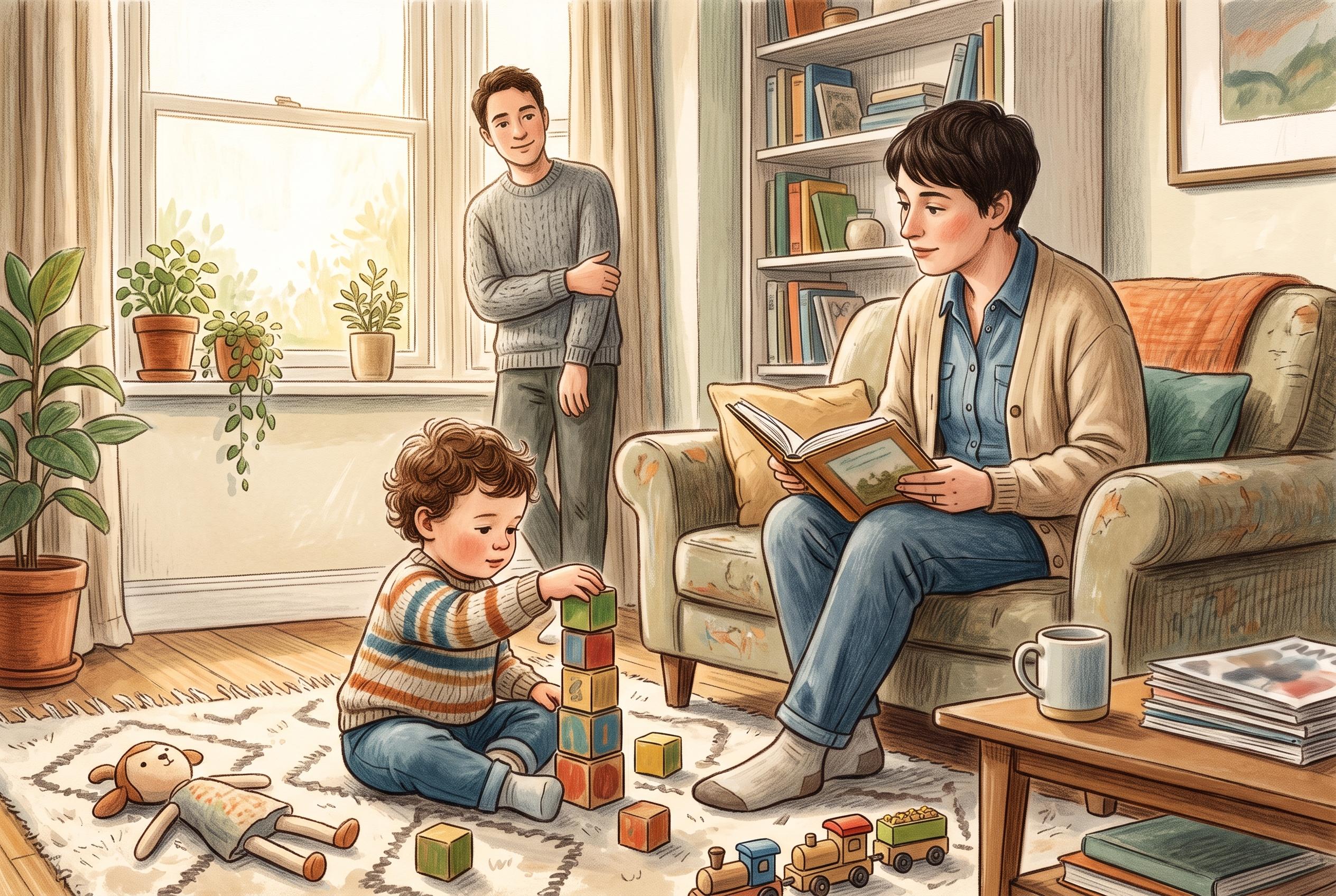

Understanding the reasons behind a toddler’s favouring of one parent can help parents navigate this common phase, which reflects normal emotional and cognitive growth rather than rejection or love deficit.
A toddler who seems to favour one parent over the other is not making a judgement on love, worth or competence. In most cases, the behaviour reflects a normal stage of development, when young children lean towards the person who feels most familiar, predictable and emotionally available at that moment. Child development experts say these preferences can shift with routines, moods and changing family dynamics, and they are often a sign that a child is learning to distinguish between caregivers rather than rejecting one of them outright.
The pattern is closely tied to attachment. According to child psychology writing in Psychology Today and guidance from the American Academy of Pediatrics, toddlers build attachment hierarchies, placing greater trust in the caregiver who currently feels like the safest base. That often is the parent who handles bedtime, meals or other daily rituals. The result can look like selectiveness or even defiance, but it usually stems from the child’s need for reassurance during a period marked by rapid emotional and cognitive growth.
Separation anxiety also plays a major part, particularly in the second year of life. The American Academy of Pediatrics notes that toddlers commonly struggle more with being apart from their main caregiver, especially around major transitions. Consistent routines, preparation for changes and calm emotional support can make separations easier. When a child is already unsettled, a strong preference for one parent can deepen, especially if the child associates that parent with comfort and predictability.
Temperament matters too. Some children are naturally more cautious, and the fit between a child’s personality and a parent’s style can influence who becomes the favoured caregiver at different times. Science-focused parenting coverage has also pointed to common triggers that can intensify clinginess, including a new sibling, disrupted schedules, parental stress and conflict between adults. In those moments, a child may seek the parent who feels most stabilising, or the one whose routine best matches their sense of security.
One newer idea discussed by Our Family Wizard is appeasement theory, which suggests children may sometimes gravitate towards the parent who seems most emotionally strained, as though trying to manage the family’s emotional balance. That does not mean a child is consciously choosing sides. Rather, it reflects how sharply toddlers can respond to tension, fatigue or vulnerability in the adults around them. It is one more reminder that these preferences are often shaped by the household’s emotional climate as much as by the child’s attachment pattern.
For parents on the receiving end of the rejection, experts generally advise against forcing closeness. Gentle, low-pressure contact, predictable one-on-one routines and time for the less preferred parent to take over everyday tasks can help build comfort gradually. The preferred parent can support that process by stepping back sometimes, sharing both the pleasant and difficult jobs, and acknowledging the hurt without making the child feel responsible for adult emotions. Most importantly, specialists say the phase usually passes. What feels personal in the moment is, more often than not, a temporary part of growing up.
Disclaimer: This content is for informational purposes only and is not intended to be a substitute for professional medical judgment, advice, diagnosis, or treatment.