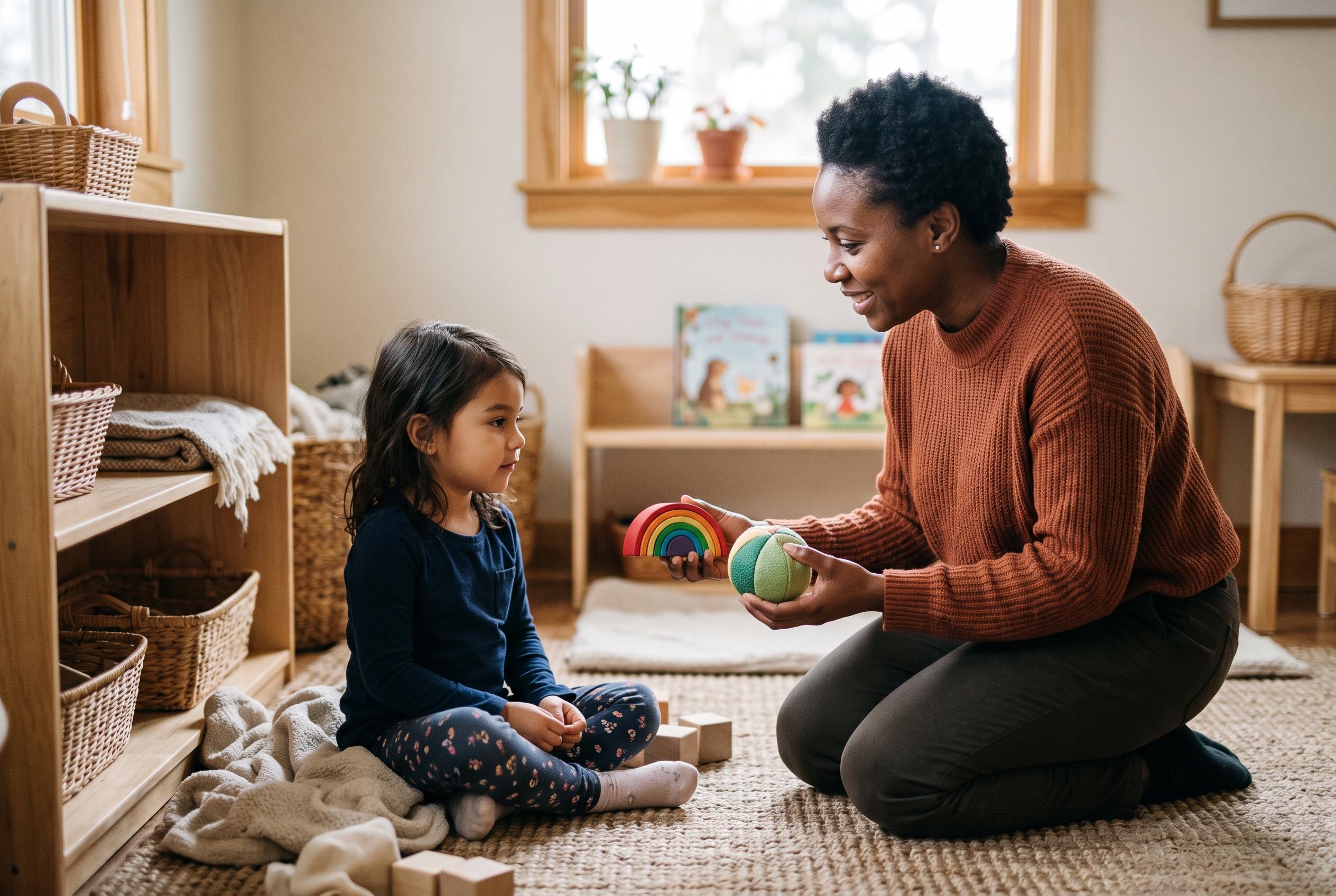

For foster children scarred by trauma, creating a safe environment that fosters curiosity, trust, and learning is vital. Experts emphasise routines, movement, respect for identity, and patience as keys to healing through education.
For foster children carrying the weight of trauma, the first lesson is not reading, counting or homework. It is safety. When a child has known instability, criticism or fear, learning can feel like another demand rather than an invitation. The harder task for a foster parent is often to make curiosity feel possible again.
That means treating resistance as communication, not misconduct. Psychology Today says children who appear shut down or oppositional in class are often responding from survival, not choosing to be difficult. In the home, that insight matters just as much. Predictable routines, a steady adult presence and calm responses can lower the alert level enough for a child to engage at all.
Trauma-informed parenting guidance from foster care specialists emphasises the same point: children heal better when adults teach rather than punish, and when they know what to expect next. The American Academy of Pediatrics advises foster and adoptive parents to build routines, offer small choices and stay composed during outbursts so a child keeps a sense of control. That control is not a luxury. For many children, it is the bridge back to trust.
One practical way to begin is to make learning feel voluntary and personal. A question about a pet, a game or a snack can become a small shared investigation. A child who struggles with school may still light up when measuring ingredients for baking, sorting stones in the garden or testing which objects roll fastest. The point is not to produce perfect answers. It is to let the child experience thinking as something safe, useful and even enjoyable.
Movement can help too. Niroga, which works on mindfulness for foster youth, notes that body-based activities can support emotional regulation and rebuild trust. That fits what many caregivers see at home: some children learn best when they can fidget, build, draw, tape, stack or move while they think. A calm table, a box of materials and a short, low-pressure activity can do more than a formal lesson ever will.
Belonging also matters. Common Sense Adoption says foster children do better when carers honour identity, language, faith, culture and personal history. That broader sense of respect can shape learning as well. A child who feels known is more likely to ask questions, take risks and try again after failure. A child who feels erased is more likely to protect themselves by withdrawing.
The goal, then, is not to force achievement but to rebuild a child’s expectation that trying will not hurt them. The Ark Group advises foster parents to listen without immediate judgement and to create a calmer environment when a child feels overwhelmed. That is where learning starts: in a home where mistakes do not bring shame, adults do not escalate and curiosity is allowed to return at its own pace. For a traumatised foster child, that can be the beginning of both education and healing.
Disclaimer: This content is for informational purposes only and is not intended to be a substitute for professional medical judgment, advice, diagnosis, or treatment.