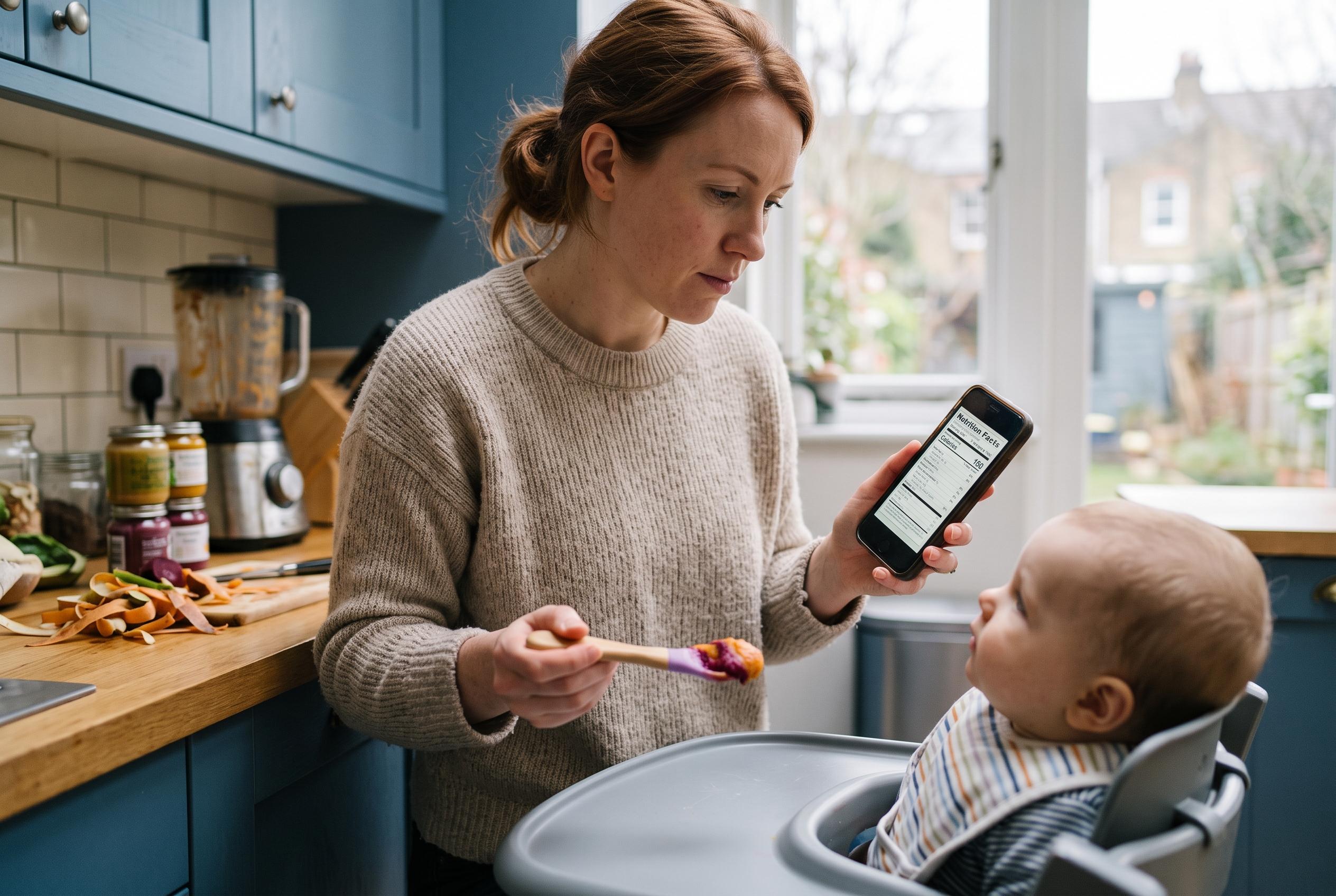

A review of 224 popular baby food products in UK supermarkets reveals ongoing concerns over high sugar and salt levels, with many brands falling short of government guidelines, as manufacturers race to meet 2027 regulations.
A new analysis suggests that many branded baby foods sold in UK supermarkets still fall short of government nutrition goals, with sugar and salt levels remaining a concern as manufacturers work towards a compliance deadline in February 2027. The review of 224 products from leading brands found that more than half breached at least one of the voluntary guidelines, while a quarter failed on two or more points. According to The Guardian, the findings include purees, breakfast foods, main meals, desserts, snacks and finger foods from brands such as Ella’s Kitchen, Heinz, Organix, HiPP, Kiddylicious, Little Freddie, Piccolo, Aptamil and Cow & Gate.
Sugar was the most common issue. The analysis found that 51 products, or 23%, contained excessive amounts, with particularly high levels among some Kiddylicious, Piccolo, Heinz and Little Freddie items. In five products, sugar accounted for more than 80% of total calories. Organix raisins and Kiddylicious apple fruit wriggles were among the worst examples identified.
Salt levels also raised concerns. The NHS says babies under one should have less than 1g of salt a day, yet the review found 14 products that exceeded that limit. Heinz spaghetti bolognese pouches were singled out as containing 0.27g of salt, which is more than a quarter of an infant’s daily allowance in one serving. The analysis also found breaches among products from Kiddylicious, HiPP, Heinz and Cow & Gate.
Labelling and marketing were another problem area, with nearly three in 10 products failing on those rules. That included snacks promoted for babies as young as six months, alongside packaging that made claims the researchers considered misleading. The government’s voluntary guidance, published to improve commercial baby food and drink, says added sugar should be avoided, sweet foods should be limited, and fruit should not be used in ways that push up free sugar levels. It also bans sweeteners for foods aimed at children under 12 months and those aged one to three.
Nora Cavani, chief executive and co-founder of Alba Health, told The Guardian that parents were being misled by products marketed as healthy or natural despite containing too much sugar. Sonia Pombo, head of research and impact at Action on Salt and Sugar, said the persistence of high-sugar products among brands with organic or health-focused images showed that voluntary action was not moving fast enough. Public Health England has previously warned that some commercial baby foods marketed as healthy snacks have some of the highest sugar levels, and recommended clearer labelling, better nutrition and tighter limits on implied health claims.
Disclaimer: This content is for informational purposes only and is not intended to be a substitute for professional medical judgment, advice, diagnosis, or treatment.