
As India shifts from cereal-heavy diets to processed, animal-based foods, experts warn that the regulatory framework lags behind market trends, risking a surge in diet-related chronic diseases across social classes.
India’s changing diet is no longer just a matter of taste; it is a public-health signal. As organised-sector production shifts towards wine, ice cream, coffee, prepared meals and cigarettes, the country is moving further from a cereal-heavy consumption pattern towards convenience, premiumisation and processed foods. Researchers tracking India’s nutrition transition over three decades have found a steady drift towards animal-based and processed diets, with chronic disease risk rising alongside it.
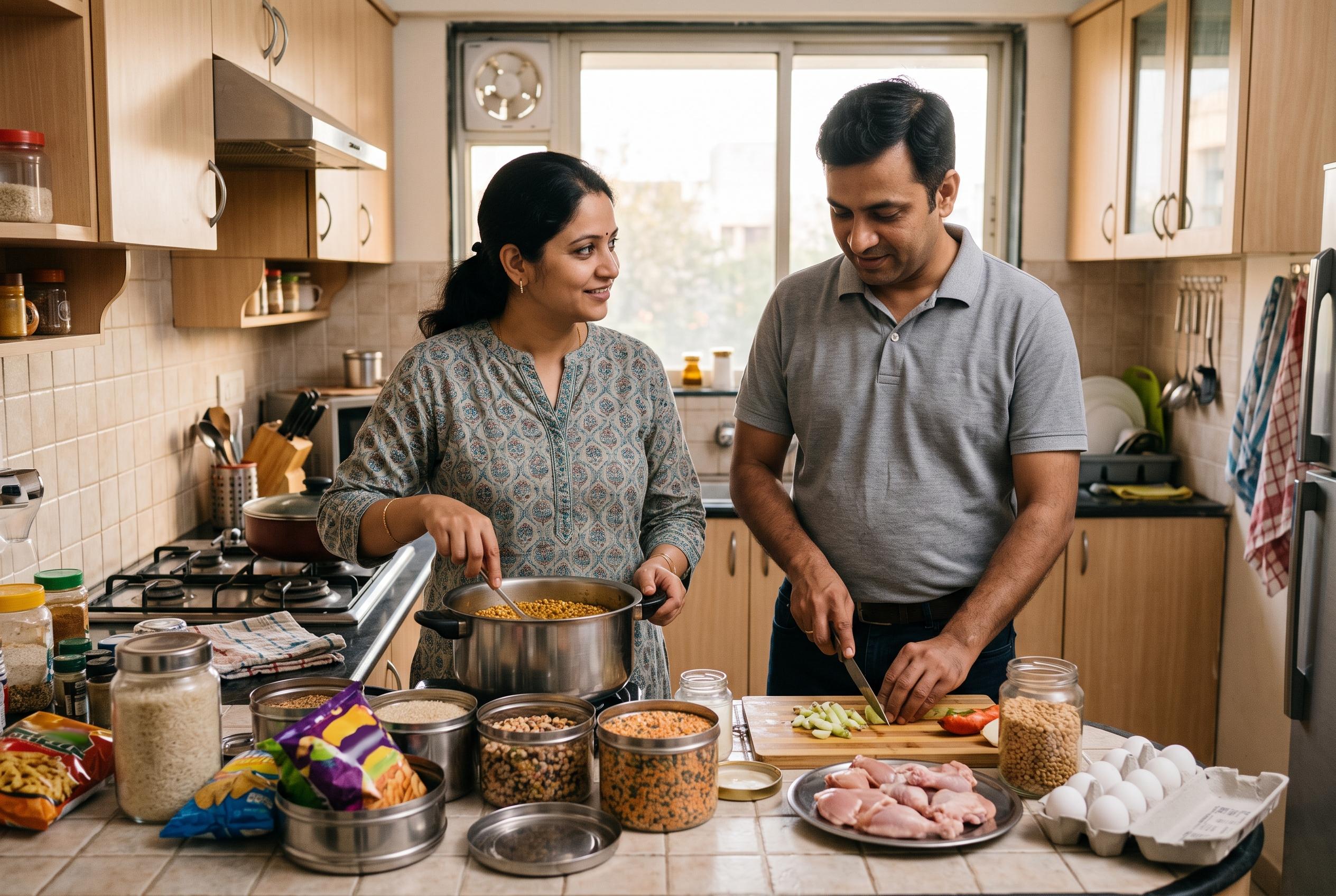
The shift is visible in households as well as in markets. Food now takes a smaller share of spending than in earlier decades, while packaged snacks, bakery products, instant meals and sweetened drinks occupy a larger place in the basket. At the same time, milk products, eggs, fish and meat are gaining ground as incomes rise and diets diversify. The result is not a simple move from scarcity to abundance, but a more complex transition in which calorie density rises faster than nutritional quality.
That helps explain why obesity and diet-related illness are becoming harder to ignore. Recent survey data show sharp increases in overweight and obesity among adults, even as undernutrition persists among children. A study of women in peri-urban India found that semi-processed foods were linked to obesity in lower-middle-income groups, while ultra-processed foods were more strongly associated with obesity among higher-income groups, underscoring how dietary risk now cuts across social classes in different ways.
The regulatory response, however, still lags behind the market. India’s food safety system has traditionally focused on hazards such as adulteration, pathogens and contaminants, rather than the nutritional profile of products that are technically safe but unhealthy when eaten regularly. Research on packaged foods in India suggests labelling has improved over time, yet nutritional quality has not improved enough to match it, strengthening the case for mandatory reformulation and clearer front-of-pack warnings.
That gap matters because the commercial food environment has become far more aggressive and harder to police. Ultra-processed foods are spreading quickly in India, helped by digital marketing, delivery platforms and the use of health-sounding claims that can create a misleading halo around products high in sugar, salt or fat. Analysts have argued that labelling alone will not be enough, because firms can often steer around weak rules by shifting claims, channels and brand extensions rather than changing what they sell.
A stronger framework, therefore, has to combine surveillance, enforcement and consumer protection. That means better data on what Indians actually eat, not just what is produced or sold; simpler front-of-pack labels; tougher action against misleading health claims and influencer marketing; and more support for state food-safety machinery. It also means treating food policy as part of public health policy, not merely as a question of hygiene. India’s challenge is no longer only to keep food safe, but to keep its diet from becoming a slow-moving source of disease.
Disclaimer: This content is for informational purposes only and is not intended to be a substitute for professional medical judgment, advice, diagnosis, or treatment.