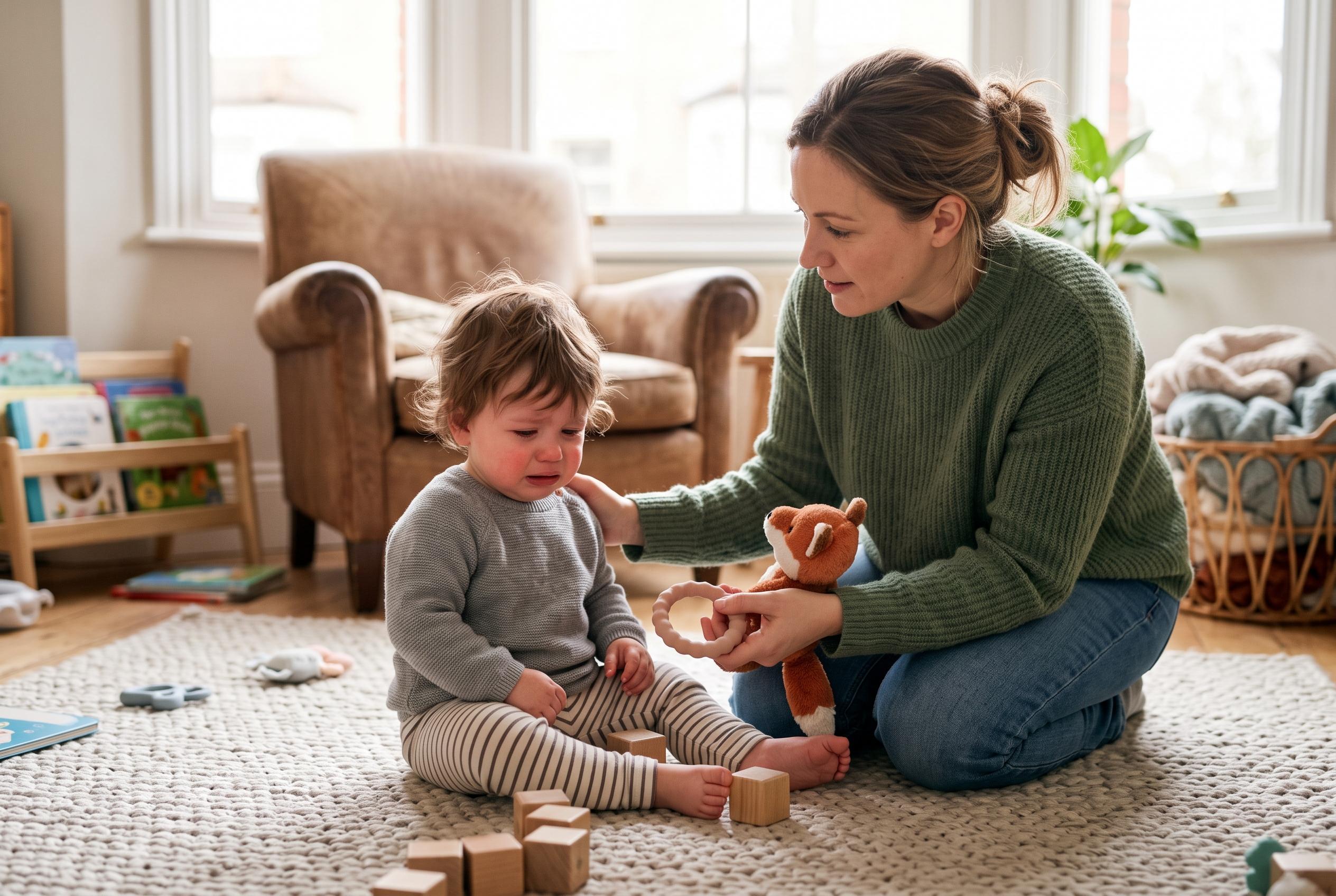

Experts emphasise that toddler biting is usually a sign of emotional overload or teething, and highlight effective strategies for caregivers to address it constructively, fostering better communication and self-regulation.
Toddler biting is alarming in the moment, but it is usually less about malice than immaturity. Young children often bite when they are overwhelmed, teething, excited or simply unable to put a feeling into words. Behaviour specialists and children’s hospitals, including Cleveland Clinic, Nationwide Children’s Hospital and CHOC, say the key is to treat biting as a signal that a child needs help with communication and self-control, not as proof that they are being bad.
The most common triggers are easy to recognise once adults start looking for patterns. A child may bite when frustrated because a toy has been taken away, when another child gets too close, or when the day has run on too long. Reports from Rady Children’s Health and Texas Health also point to attention-seeking, sensory needs and exploration as common reasons. In practical terms, biting often happens when a toddler has more feeling than language.
Teething can make the urge stronger, especially if a child is already looking for something firm to chew. Some toddlers also bite during excitement, rough play or cuddly moments, when their body is still learning where the boundaries are. If a child regularly chews sleeves, toys or furniture, a safe teething item or other age-appropriate substitute may help, but the rule should stay the same: people are not for biting.
What parents do in the first few seconds matters. The advice from paediatric sources is to step in quickly, separate the children and keep the response brief and calm. Say what happened in plain language, comfort the child who was hurt and avoid a long lecture or a dramatic reaction. If the bite breaks the skin, clean it promptly and seek medical advice if needed, because human bites can become infected.
After the immediate moment has passed, children need coaching on what to do instead. That may mean short phrases such as “my turn”, “stop” or “space”, or a gesture such as raising a hand or walking to an adult. Caregivers are also advised to stay consistent across home, nursery and child care, since toddlers learn through repetition. Hitting, shaming or biting back may stop nothing and can make the problem worse.
Most children grow out of biting as their speech, impulse control and coping skills improve. Still, experts say families should seek extra help if biting is frequent, severe, continues beyond the toddler years or comes with major speech, sensory or emotional concerns. The bigger goal is not punishment. It is teaching a child safer ways to handle feelings that are still too large for their words.
Disclaimer: This content is for informational purposes only and is not intended to be a substitute for professional medical judgment, advice, diagnosis, or treatment.