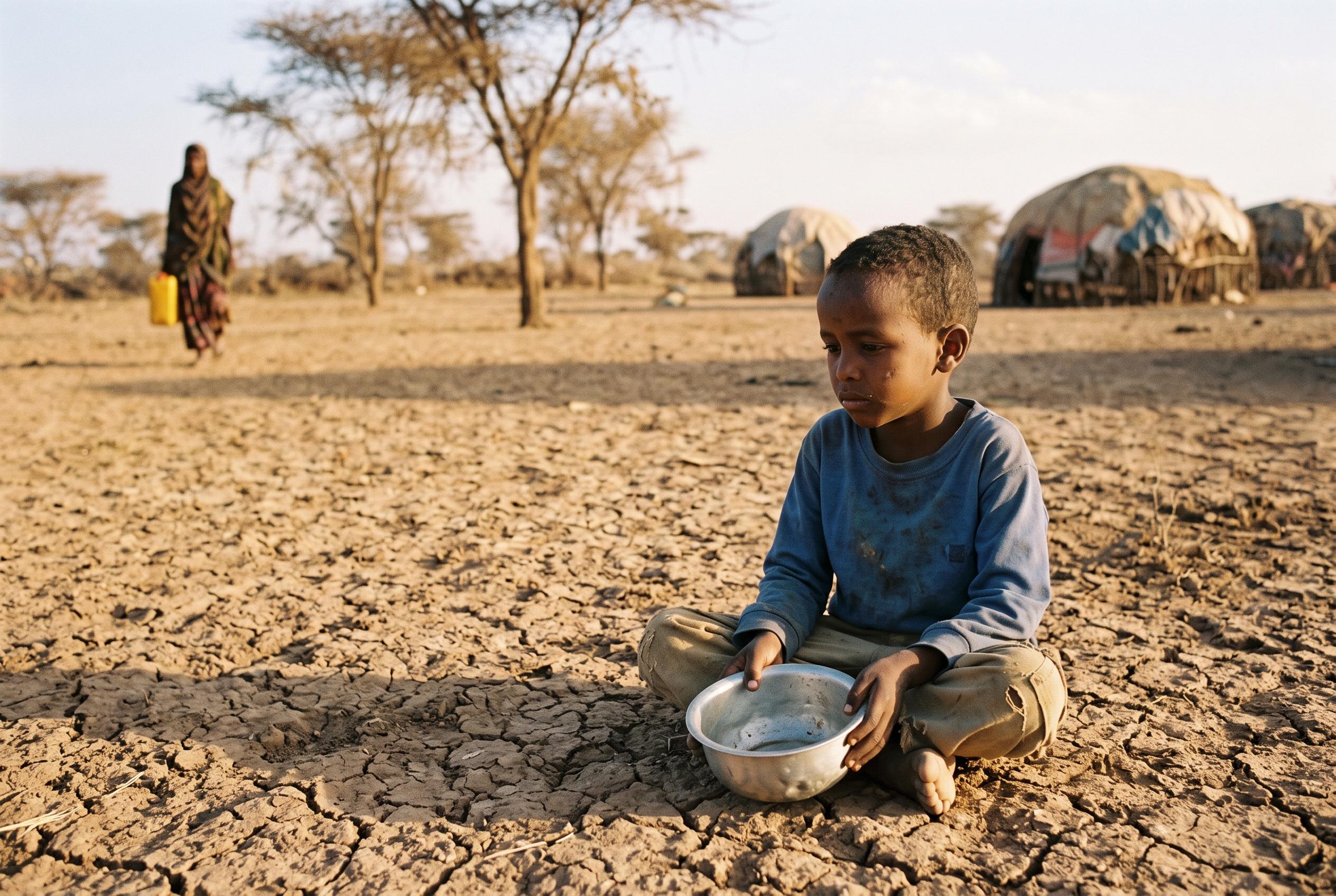

The child hunger emergency in Somalia has intensified this year, with nearly 1.9 million children malnourished and a surge in treatment facility closures driven by a combination of drought, conflict, and funding shortages, raising fears of a deepening humanitarian catastrophe.
Somalia’s child hunger crisis has worsened sharply this year, with UNICEF warning that nearly 1.9 million children are expected to be malnourished and that admissions to facilities treating severe acute malnutrition and related complications have risen by 32%. The agency said the situation is being driven by a combination of drought, conflict, displacement and deep aid cuts that are forcing health services to scale back just as need is rising.
Speaking via video link, UNICEF spokesperson James Elder said 205 health and nutrition centres have already shut because of the funding squeeze, and warned that as many as 618 facilities could close nationwide. He said the closures are stretching families’ journeys to treatment and increasing the risk of serious illness and preventable deaths.
The scale of the crisis had already been flagged in May, when UNICEF and other UN agencies said about 6 million people, or nearly a third of Somalia’s population, were facing critical food insecurity. That assessment said 1.9 million children were affected, including 493,000 with severe acute malnutrition, the most dangerous form of the condition. It also warned that some districts could face famine risk if rains failed and humanitarian assistance did not increase.
Aid groups say the crisis has been made worse by the withdrawal of support from major donors. Médecins Sans Frontières said earlier this month that funding for acute malnutrition programmes in parts of Somalia had fallen by more than 80% this year, while in March UNICEF warned that rising costs for fuel, food and water were compounding the pressure on families already battered by drought, insecurity and displacement. In August 2024, UNICEF said around 63% of Somali children had experienced severe food poverty in early childhood, underlining how long malnutrition has been entrenched. More recent MSF findings from Baidoa suggested the emergency is still deepening, with every second child in displacement sites found to be malnourished.
Disclaimer: This content is for informational purposes only and is not intended to be a substitute for professional medical judgment, advice, diagnosis, or treatment.