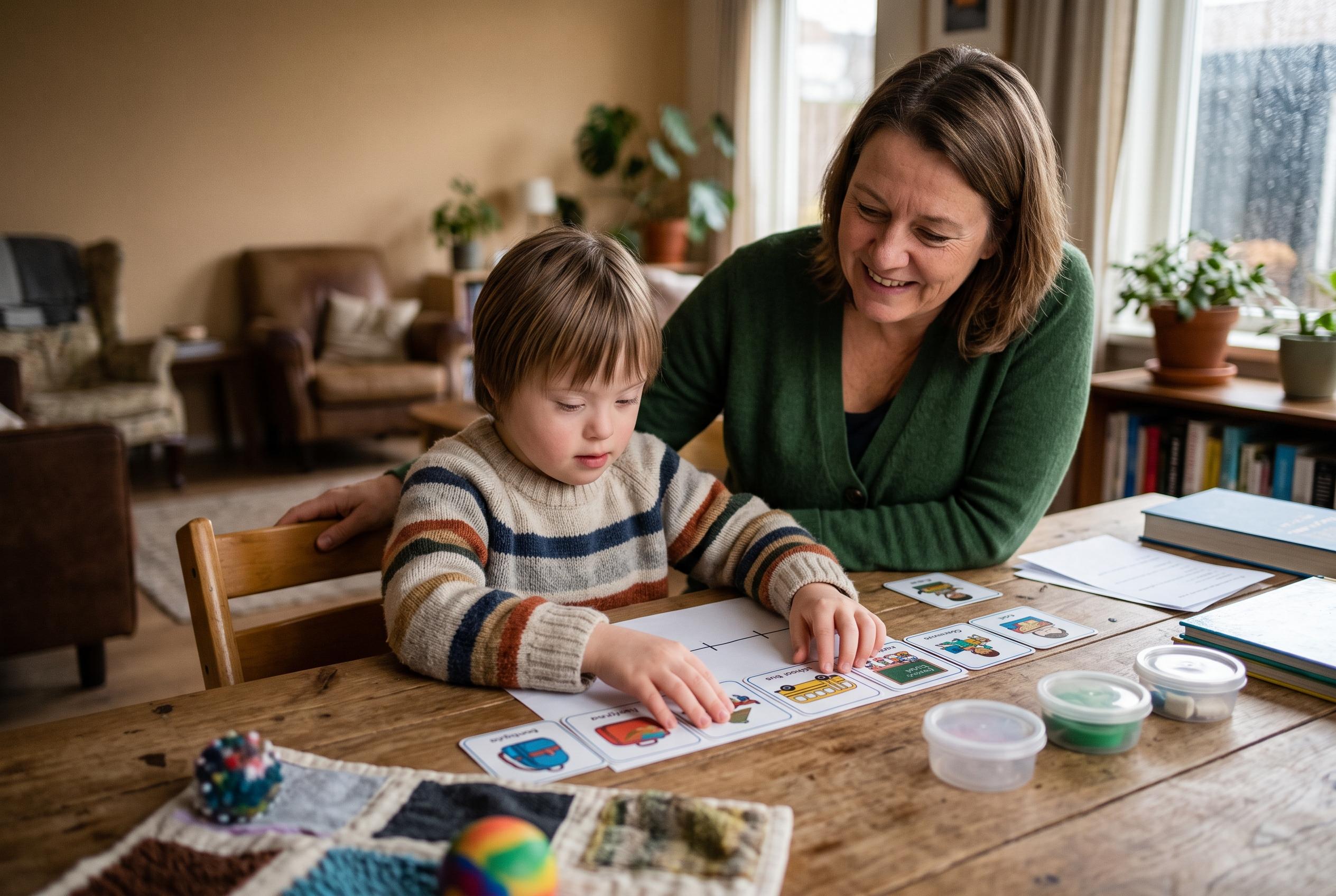

Preparations, visual routines, sensory supports and strong home-school partnerships are transforming how children with developmental disabilities start the new school year, making the early days less stressful and more empowering.
The start of a new school year can be a demanding moment for children with developmental disabilities, as well as for the families supporting them. New classrooms, unfamiliar adults, altered transport arrangements and changes in daily pace can all add to anxiety. As Northeast Ohio Parent notes, the most helpful approach is often not perfection, but preparation, patience and steady encouragement.
One of the simplest ways to ease the transition is to rehearse the school day before it begins. Families can gradually shift sleep and meal times towards the term-time schedule, then practise the morning sequence step by step: getting dressed, gathering belongings and leaving home on time. Guidance from the HSE in Ireland says repeating a familiar routine can reduce stress and help children begin the day more calmly.
Predictability can also help children cope with what is new. The VCU Autism Center advises that clear structure, visible daily schedules and organised spaces can make transitions less unsettling for autistic pupils. Visual timetables, first-then boards and picture checklists can show what comes next, while social stories, photographs or short visits to the school can make the unfamiliar feel more manageable. Healthline similarly reports that visual schedules can help children understand tasks and reduce anxiety by turning the day into a sequence they can follow.
Comfort is another important part of readiness. For some children, sensory supports such as headphones, a fidget item or a calming object can make a crowded, noisy school day easier to handle. Teaching Visually Impaired says routines can also help students anticipate activities and support independence, especially when they are adapted to a child’s sensory needs. The key is to match supports to the child, and to make sure school staff know what works.
That is why partnership with the school matters so much. Parents can share information about communication preferences, triggers, motivators, medical concerns and strategies that help a child settle or recover after a difficult moment. The more consistent the approach between home and school, the more likely it is that a child will feel secure enough to learn, participate and build confidence.
Progress may look modest at first, but those early gains still matter. Getting on the bus, trying a new activity, meeting one classmate or finishing the day without distress can all be meaningful achievements. A successful return to school is often built from small victories, and each one can help children feel more capable as the term goes on.
Disclaimer: This content is for informational purposes only and is not intended to be a substitute for professional medical judgment, advice, diagnosis, or treatment.