


Fifteen years after Rick Rypien’s death, his brother Wes highlights progress in professional hockey’s mental health initiatives but raises concerns over rising pressures in youth hockey, including early recruitment and increased anxiety for young players.
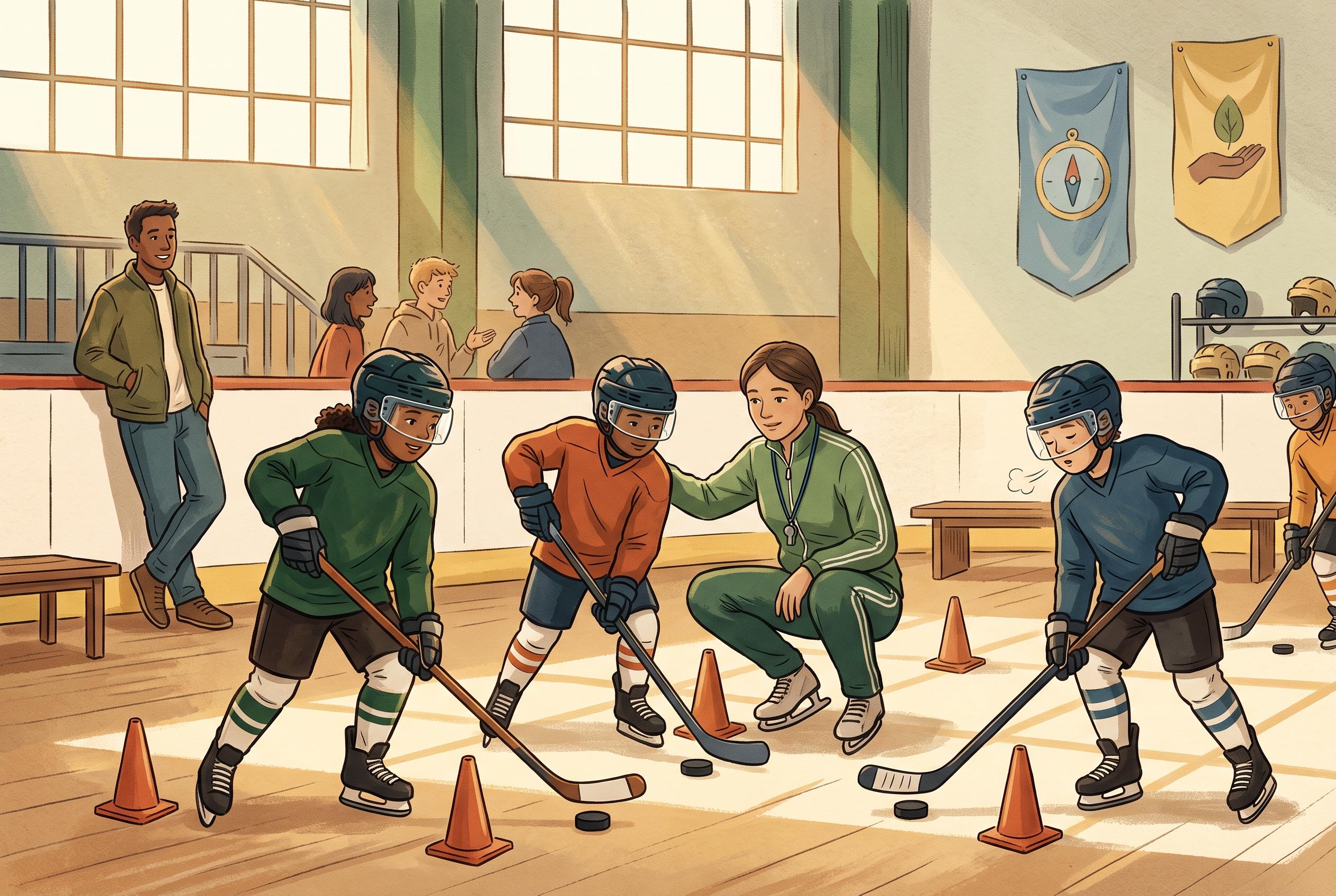
Fifteen years after Rick Rypien’s death, his brother Wes says hockey’s response to mental health has come a long way at the professional level, but he now sees a different problem taking shape in minor sport. Speaking from outside Sherwood Park, Alberta, Rypien said the sport has become far more willing to acknowledge mental illness and to make support available to players who need it. But as his own children move through youth hockey, he worries the game is placing new and unnecessary strain on children well before they are old enough to absorb it.
The Vancouver Canucks have helped push that shift in the professional game. According to the club, Hockey Talks has continued as an annual mental health initiative, with the team marking its 13th edition in December 2024 and extending the message again in January 2026 through a joint event with lululemon at Rogers Arena for minor hockey players. Those efforts brought in mental health groups, alumni and community organisations, underlining how the conversation has broadened from the NHL dressing room to the youth game.
Rypien said that broader openness matters, especially given what is now known about mental illness. Research and public health data indicate that about one in five Canadians will experience mental illness at some point, while many conditions first appear in adolescence, making early support important. The NHL Players’ Association has also expanded education through its FIRST LINE mental health training, which it brought to more professional players in January 2025 with the Professional Hockey Players’ Association and Opening Minds.
But Rypien believes the youth system has drifted in the opposite direction. He pointed to rising costs, year-round schedules, pay-to-play programmes and the pressure on families to keep pace as factors that can turn a child’s sport into a source of anxiety. He questioned the idea of “elite” branding for children in under-13 hockey and said parents now ask about scouts at ages when, in his view, no one should be thinking about recruitment.
That concern comes from someone who has seen the sport from several angles. Rypien played minor pro hockey and later worked in junior coaching, giving him a close view of how young players are funnelled through the system. He said the balance is delicate: children who aspire to higher levels do need structure, discipline and accountability, but at younger ages the priority should be enjoyment, skill-building and a healthier relationship with the game. For him, that is now part of the legacy of his brother’s story too , not only speaking up for players in crisis, but also questioning whether the youngest athletes are being asked to carry too much too soon.
Disclaimer: This content is for informational purposes only and is not intended to be a substitute for professional medical judgment, advice, diagnosis, or treatment.


