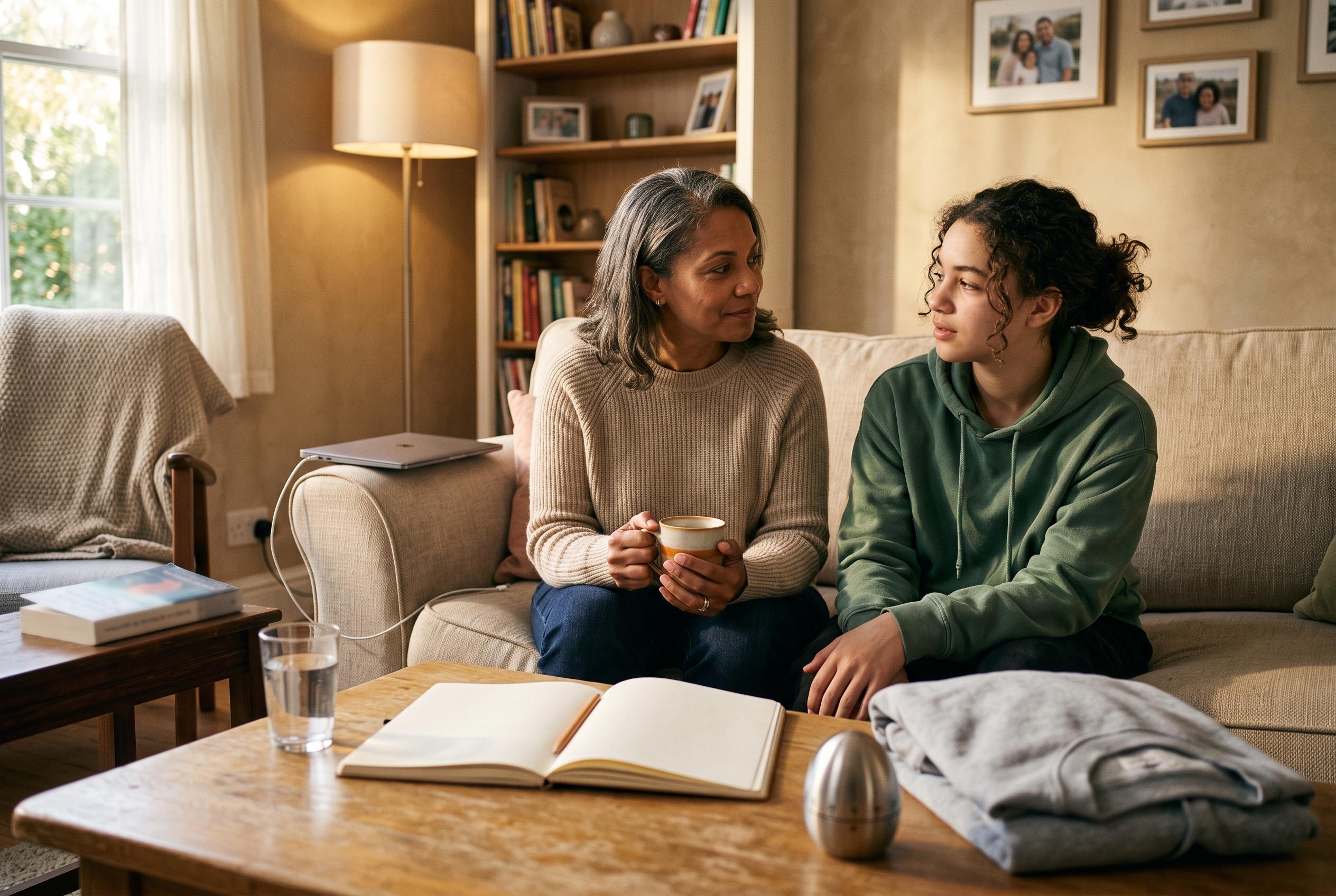

As adolescents face rising pressures, health experts emphasise the importance of open dialogue, healthy routines, and family-supported coping strategies to prevent stress from impacting their wellbeing.
As children move into the teenage years, the pressures around school, friendships and future plans can quickly add up, and parents are often left trying to judge when normal strain has tipped into something more serious. Rachel Kerschner, a paediatrician with Columbus Regional Health, discussed that challenge on WISH-TV’s “Health Spotlight” and said families can help by staying alert to changes in mood, behaviour and routines as young people head towards high school and college.
Health experts say the most useful first step is usually not to lecture but to listen. The Mayo Clinic advises parents to understand what is driving a teenager’s stress, model healthy habits and teach practical coping skills such as structured breathing, exercise and good time management. UNICEF similarly recommends open conversation, calm reassurance and an effort to acknowledge a teen’s feelings rather than dismiss them.
Specialists also warn that stress should not be treated as just another part of growing up if it begins to affect sleep, appetite, school attendance or relationships. HelpGuide says adolescents are still developing the judgement and impulse control needed to manage pressure well, which is one reason adults may need to stay closely involved when problems start to pile up. Lifeway adds that overcommitment can make matters worse, and suggests families help teenagers set realistic expectations, keep sleep on track and make room for rest and enjoyable activities.
Kerschner’s message fits that wider advice: parents do not need to fix every problem, but they can make it easier for teenagers to cope by creating space for honest talks, reducing overload and watching for signs that extra support may be needed. HealthyChildren.org recommends making self-care a family matter and treating stress management as a shared habit, not a private burden for teenagers alone.
Disclaimer: This content is for informational purposes only and is not intended to be a substitute for professional medical judgment, advice, diagnosis, or treatment.