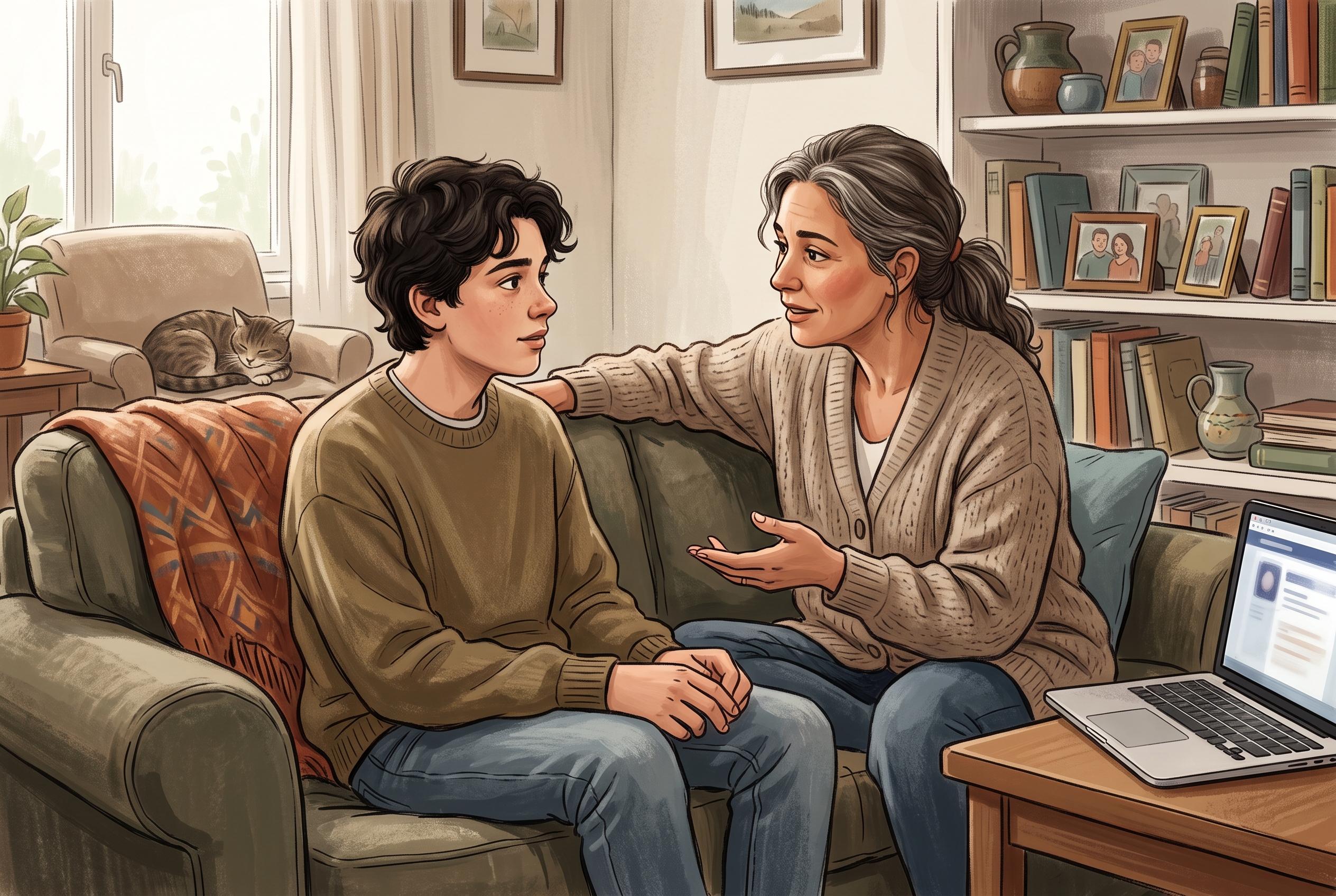

New research from China uncovers how feelings of loneliness and difficulty managing emotions mediate the lasting psychological effects of online bullying among adolescents, highlighting the importance of supportive interventions.
Cyberbullying can do more than sting in the moment. A study published in the Journal of Affective Disorders suggests that teenagers who are bullied online are more likely to develop later emotional and behavioural problems when the experience leaves them feeling lonely and unable to manage difficult emotions. The research points to a chain reaction in which isolation and poor emotion control matter more than self-esteem alone.
The study, led by Yixuan Li with Monja Knoll and Ingrid Obsuth, followed 501 adolescents aged 15 to 18 in two senior high schools in China. Researchers used questionnaires at two points, six months apart, to track online victimisation, loneliness, difficulties with emotion regulation, self-esteem, and later emotional and conduct problems. Their aim was to identify which psychological factors best explained why cyberbullying can have lasting effects.
They found that loneliness and emotion dysregulation were significant pathways between cyberbullying and later mental-health difficulties. By contrast, self-esteem did not appear to be a meaningful mediator. The results held even after accounting for age and gender. In particular, problems regulating emotion were linked to later anxiety, while difficulties controlling impulses were tied to conduct problems.
The findings add detail to earlier work from the same team, which reviewed evidence from 125 studies involving more than 260,000 participants across 33 countries. That broader analysis found that emotional dysregulation, social support and other stress-related factors help explain cyberbullying’s longer-term impact. Taken together, the research suggests that schools, parents and mental-health services may need to focus not only on stopping online abuse, but also on helping young people feel connected and supported afterwards.
Disclaimer: This content is for informational purposes only and is not intended to be a substitute for professional medical judgment, advice, diagnosis, or treatment.