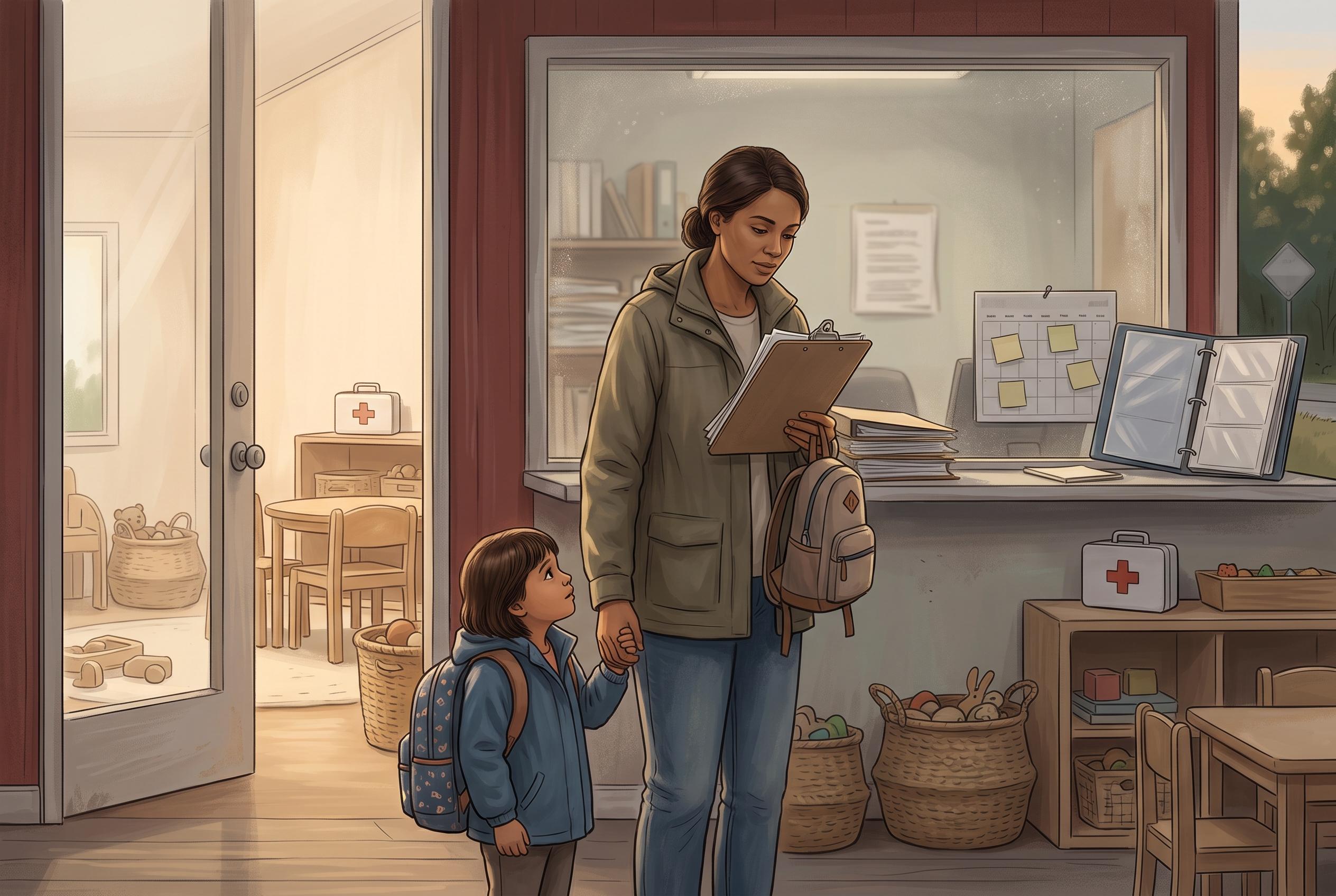

While vital for ensuring child safety, Arkansas’s child care licensing system faces funding and enforcement challenges, risking increased rural child care deserts and inconsistent standards, prompting calls for urgent reform.
Licensing may not stir the same emotions as a debate about inclusion or staffing shortages, but it remains the bedrock of child care safety. In Arkansas and across the country, licensing sets the minimum standards that programmes must meet to operate legally, from health and safety rules to supervision and basic staff qualifications. The federal Child Care.gov consumer guide says those requirements exist to protect children and help parents understand what regulated care should provide.
That framework matters because young children depend on adults and environments that are reliable, supervised and safe. The Centres for Disease Control and Prevention notes that state licensing can help ensure health and safety rules are followed in early care and education settings, while also encouraging practices that support healthy growth, including better eating and physical activity standards. In that sense, licensing is not simply administrative. It is one of the few tools designed to establish a baseline beneath which care should not fall.
Yet the system is under strain. Arkansas advocates have argued that licensing remains underfunded and unevenly enforced, and research cited by United WE found that more than half of rural Arkansas is a child care desert, where demand far exceeds available places. That same research said providers often describe the licensing process as burdensome, with confusing standards, repeated inspections and inconsistent guidance from officials. The tension is clear: families need more access, but access without oversight can leave children exposed.
The Arkansas Department of Education says the state licensing unit oversees several types of child care settings, including family homes, centres and out-of-school time programmes, and provides resources for providers seeking approval. For parents, the basic message is straightforward: licensing is meant to make care safer, more transparent and more accountable. As Natasha Kile of the Arkansas Early Childhood Association argues, it is not a distraction from the child care debate but a central part of it, because every child deserves care that is both available and safe.
Disclaimer: This content is for informational purposes only and is not intended to be a substitute for professional medical judgment, advice, diagnosis, or treatment.