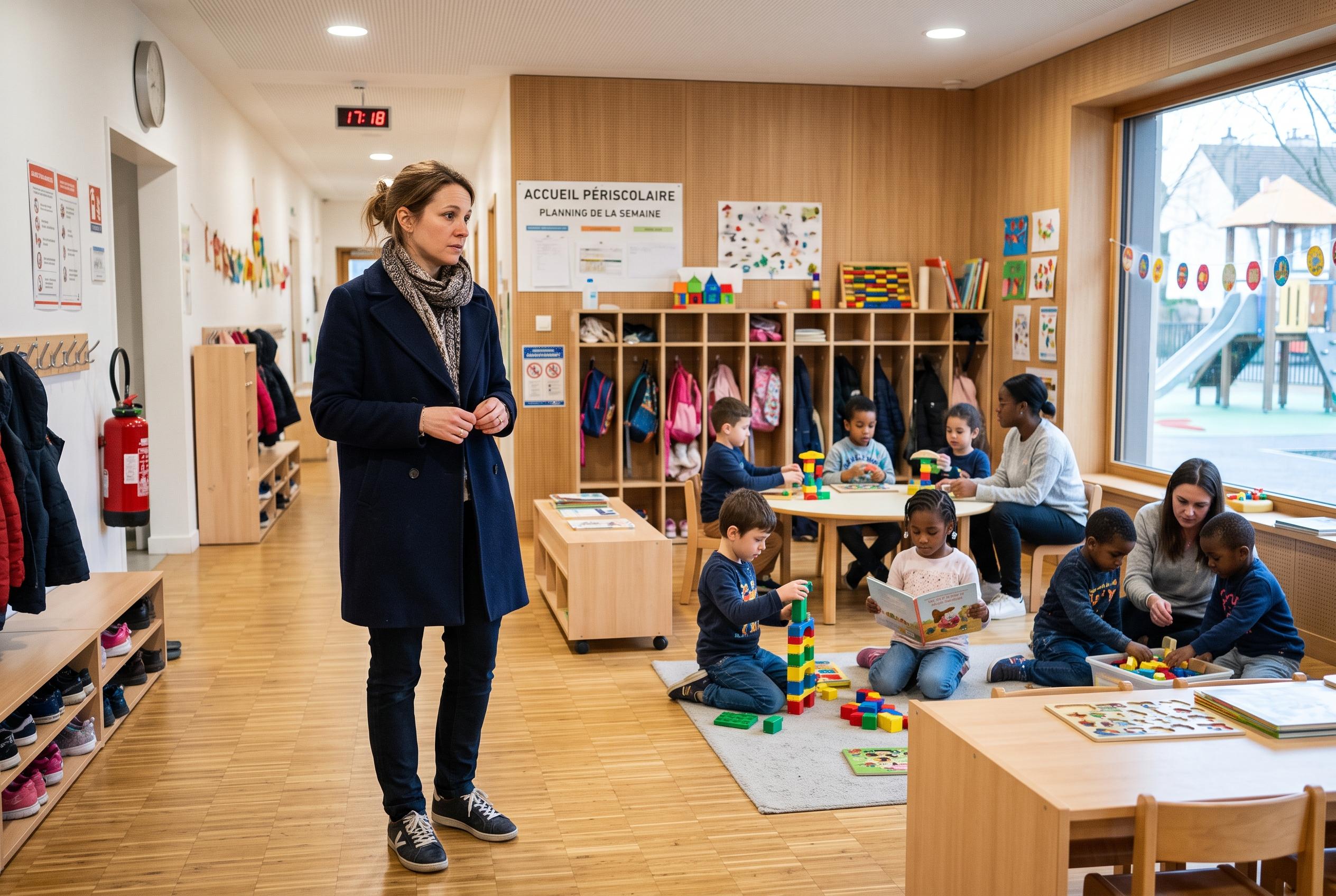

A surge in allegations of violence and sexual abuse in France’s after-school system prompts parents, officials, and UNICEF to demand sweeping reforms amid concerns over safety and oversight.
For Delphine, the after-school programme at her son’s preschool had long seemed like part of the safety net that makes French school life work for working families. That confidence shattered when she learned that several instructors were facing accusations of physical and sexual abuse. Across France, parents are now reassessing a system that is woven into daily life but, according to recent reports, has been left exposed by weak oversight and a string of scandals.
The scale of the concern is striking. In May, Paris prosecutors said dozens of preschools, primary schools and day-care centres were under investigation over suspected violence against children. Paris City Hall has suspended 132 of its 14,000 after-school teachers since the start of 2026, almost half in cases involving suspected sexual assault, compared with 46 suspensions in all of last year. The Guardian reported in May that police were examining more than 100 allegations involving monitors at state nursery and primary schools, many of them local hires with little formal training. French media, including Le Monde, have described the issue as a broader breakdown rather than a series of isolated cases.
The problem lands especially hard in France because périscolaire, the after-school system, is central to family life. About 89% of children use some form of it, and roughly 5 million rely on it for after-school care or holiday cover, according to the reporting and official figures cited in the articles. But the same structure that makes it accessible also creates gaps in responsibility: schoolteachers are hired through a national system after years of study, while after-school staff are recruited locally, sometimes within weeks. The result, critics say, is a patchwork of standards, training and accountability.
That fragmentation is now fuelling demands for reform. Interior Ministry data cited in the coverage show that reported violence against children has risen by 7% a year between 2016 and 2023. UNICEF France has called for a shift away from ad hoc responses towards a properly funded prevention policy, while Le Monde reported that parents and professionals are pressing for a national overhaul and better coordination. Education officials have also acknowledged shortcomings; Édouard Geffray, the education minister, said oversight had been insufficient and that controls needed to be strengthened.
The fallout is reaching beyond school gates. Parents are questioning whether children should attend sleepovers, go to friends’ homes or join camps, and some are calling for more cameras in public buildings and care settings despite long-standing privacy concerns in France. Yet not everyone wants fear to dictate family life. Nicoleta Pitar, a parent quoted in the reporting, said she was appalled by the scandals but did not want to make children “scared of everything”. For Delphine, the response has been to stay involved, join the parents’ association and push for clearer boundaries, more support and more honest communication. As she put it, children need to be told what is forbidden, but “remaining light about it” matters too.
Disclaimer: This content is for informational purposes only and is not intended to be a substitute for professional medical judgment, advice, diagnosis, or treatment.