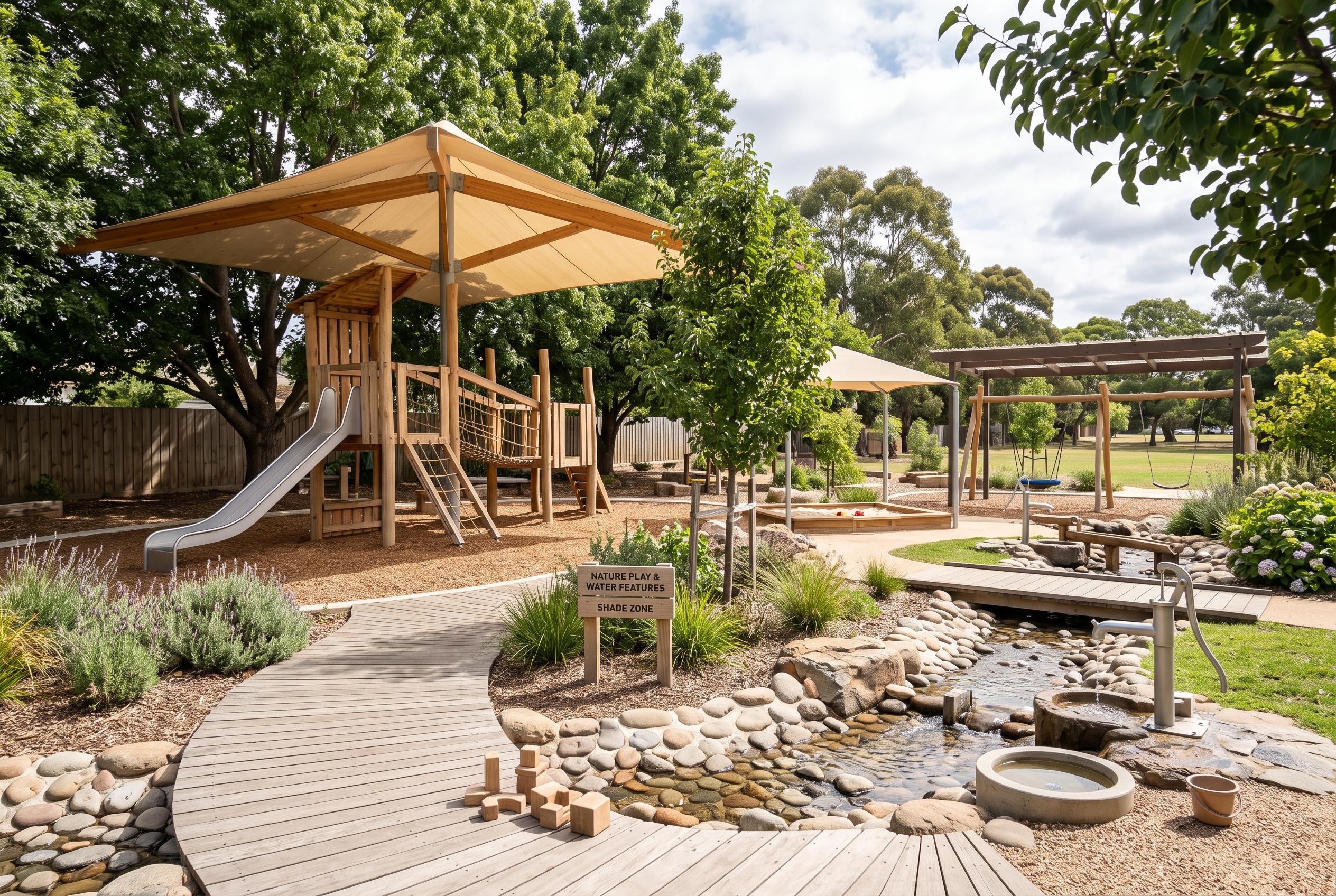

As heatwaves intensify globally, experts warn that climate-induced disruptions are reshaping children’s outdoor activities, urging sustainable space redesigns to ensure safe, healthy play amid rising temperatures.
Climate change is making outdoor play less predictable, less comfortable and, in some places, less safe for children. As heatwaves become more common, many young people are spending less time outside at the very moment when play, movement and social interaction matter most for healthy development. UNICEF says nearly two-thirds of children worldwide are exposed to heatwaves, with 1.2 billion facing extreme heat conditions, a scale that underscores how widely childhood routines are being altered.
The health effects begin with the body. Children are more vulnerable to heat because they warm up faster and cool down less efficiently than adults, according to the American Academy of Pediatrics. That makes outdoor recreation harder to sustain during the hottest parts of the year, and it can push schools, families and sports programmes indoors. The result is not just less exercise, but fewer chances to build coordination, stamina and confidence through free movement and structured play.
The problem is not limited to the air temperature. Playground surfaces can become dangerously hot when they are built from dark synthetic materials and exposed to direct sun, creating a burn risk before children have even started running around. Researchers and child-development experts have argued that outdoor spaces need a new design approach, one that uses shade, trees, lighter materials and nature-based features to keep play areas usable during hotter weather. Little Tikes Commercial has also emphasised that varied layouts and equipment help children keep moving, but those benefits depend on environments that remain tolerable in the first place.
There is also a mental and emotional cost. The American Academy of Pediatrics warns that climate change can affect children’s health in multiple ways, including stress and trauma linked to extreme weather. For younger children in particular, heat can add to irritability, fatigue and difficulty regulating emotions. That matters because play is not only physical activity; it is also where children practise self-control, social negotiation and resilience.
The response, experts say, is adaptation rather than retreat. University College London’s work with Islington Council has pointed to greening, shade and local resilience planning as practical ways to support children in climate-vulnerable places. A growing body of research suggests that parks and playgrounds built around trees, cooling and natural materials can help offset rising temperatures while preserving the learning that happens outdoors. If children are to keep discovering insects, mud, water and wildlife, communities will need to treat safe outdoor play as essential infrastructure, not an optional extra.
Disclaimer: This content is for informational purposes only and is not intended to be a substitute for professional medical judgment, advice, diagnosis, or treatment.