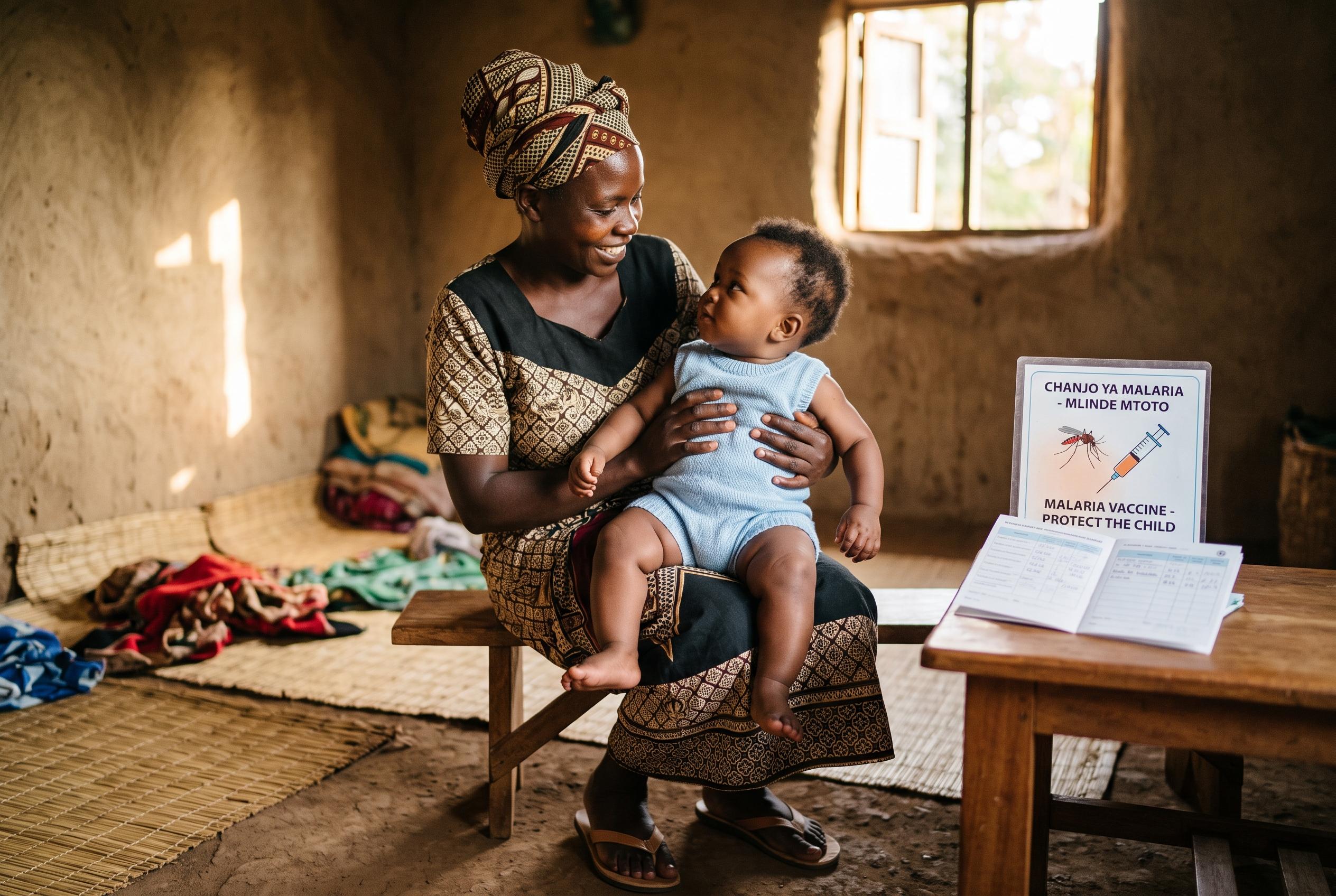

As World Mosquito Day is observed, the expansion of malaria vaccines across Africa marks significant progress in combating a disease responsible for hundreds of thousands of deaths annually, with new strategies addressing resistance and improving prevention.
As World Mosquito Day is marked on 20 August, the expansion of malaria vaccination across Africa is emerging as one of the clearest signs of progress against a disease that still kills hundreds of thousands of people each year. The World Health Organization says 25 African countries had added a malaria vaccine to routine childhood immunisation schedules by 2026, a rollout aimed at children in areas where transmission is moderate to high.
The WHO recommends two vaccines, RTS,S and R21, and says they should be given in four doses as part of a broader prevention package rather than as a stand-alone solution. That package still includes insecticide-treated bed nets, rapid diagnosis, antimalarial treatment and, in some settings, seasonal chemotherapy. The agency says more than 10 million children a year now need vaccination in countries that have introduced the shots.
The scale of the disease remains stark. According to the WHO’s latest malaria figures, there were about 282 million cases and 610,000 deaths worldwide in 2024, with Africa accounting for 94% of cases and 95% of deaths. Children under five bore the heaviest burden, making up about three-quarters of malaria deaths in the region. A study published in The Lancet in May 2026 linked rollout of RTS,S in Ghana, Kenya and Malawi to a 13% drop in all-cause mortality among eligible children, based on follow-up over 46 months and more than 1.2 million first doses.
The vaccination drive is also unfolding alongside other changes in malaria control. The WHO said 84% of mosquito nets shipped to sub-Saharan Africa in 2024 were newer models designed to counter rising insecticide resistance. At the same time, the organisation has been certifying countries that have broken local transmission for at least three consecutive years, including Mauritius, Algeria, Cape Verde and Egypt. In April 2026, it also prequalified the first malaria treatment tailored to newborns and infants weighing less than five kilograms, alongside new rapid diagnostic tests.
Disclaimer: This content is for informational purposes only and is not intended to be a substitute for professional medical judgment, advice, diagnosis, or treatment.