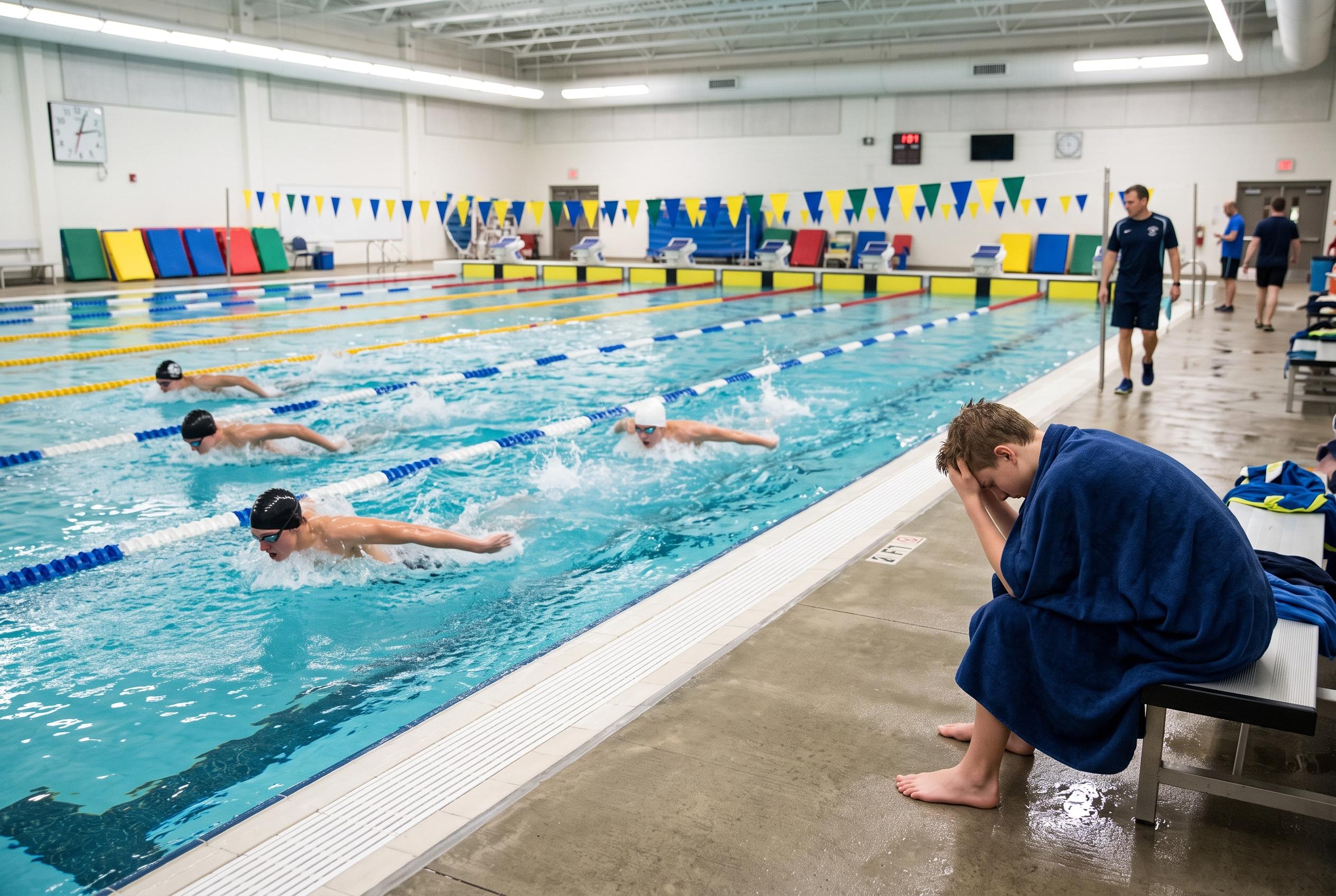

A new season-long study reveals that highly committed adolescent swimmers face a heightened risk of burnout, with enthusiasm masking warning signs of physical and emotional exhaustion , prompting a reevaluation of how motivation and recovery are balanced in competitive sports.
Burnout in swimming is often mistaken for a simple drop in drive. But the evidence suggests the picture is more complicated: the athletes most committed to training can also be the ones most at risk. A season-long study of adolescent elite swimmers in Spain found that enthusiastic commitment was linked not only to more physical exhaustion but also to greater emotional exhaustion, supporting the idea that passion can tip into pressure.
That matters because motivation can hide fatigue. A swimmer who is eager for extra work, stays after practice for more conditioning and rarely misses a session may look ready for more, even when the body and mind are already overloaded. Researchers described this as a passion paradox: the same commitment that helps athletes improve can make it harder to notice when recovery has been pushed aside. The warning signs are not always obvious, but they can include a rising sense that ordinary training feels unusually hard, a falling feeling of achievement, weaker sleep and a growing sense that the sport is losing its appeal.
Other recent studies point in the same direction. Research on Chinese competitive swimmers found that daily habits such as sleep, diet and screen time, along with coping strategies and psychological strain, are closely tied to burnout risk. Another study of trained youth swimmers showed that pre-race self-confidence and perceived fatigue were strong predictors of how satisfied athletes felt after competition, reinforcing the idea that mental state is not just a side issue but part of performance itself.
For coaches, parents and swimmers, the practical lesson is simple: enthusiasm is not enough to judge readiness. A swimmer can be highly motivated and still be close to the limit. Protecting performance means paying attention to recovery as carefully as to effort, especially in the run-up to championship meets when the temptation is to keep pushing. The healthiest sign of commitment may be knowing when the tank needs refilling.
Disclaimer: This content is for informational purposes only and is not intended to be a substitute for professional medical judgment, advice, diagnosis, or treatment.