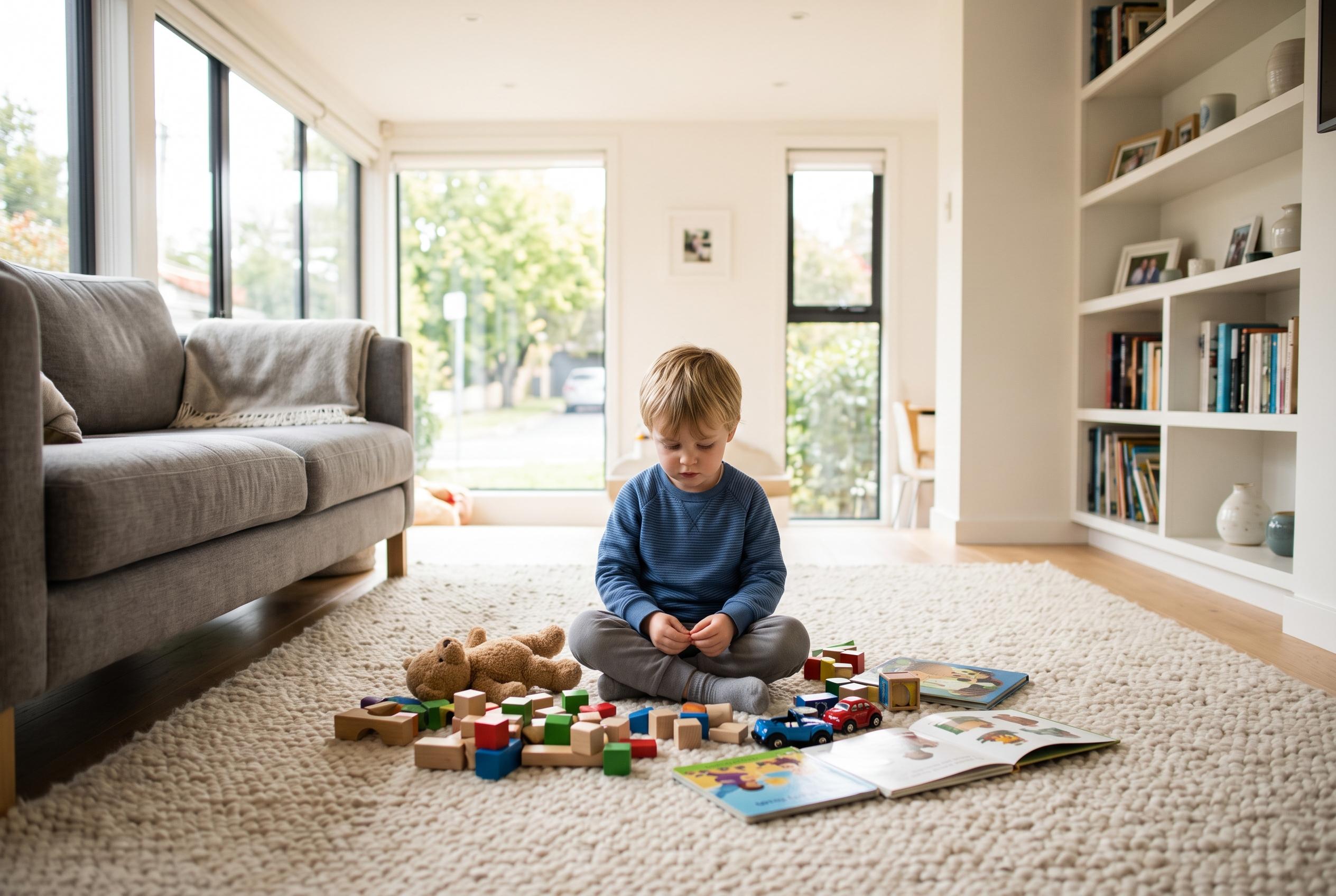

Recognising early warning signs such as mood changes, behavioural shifts, sleep disturbances, and social withdrawal can enable timely intervention, helping children develop healthier coping skills and resilience amid growing mental health concerns.
Parents often expect childhood worries to pass on their own, and many do. But when sadness, fear, anger or withdrawal start to affect sleep, learning, friendships or family routines, it may be time to consider professional support. Cleveland Clinic notes that mental health concerns are common in children and teenagers, and that early help can make it easier for young people to build healthier coping skills.
The earliest warning signs are often small. A child who is crying more often, struggling to settle at night or losing interest in favourite activities for several weeks may be showing more than a temporary rough patch. Care.com and Terrebonne Psychology both point out that persistent changes in mood or behaviour become more significant when they begin to affect school, home life or relationships.
Low mood is one of the clearest signals. A child who seems flat, tearful or detached, or who no longer wants to play or spend time with siblings and friends, may be dealing with grief, depression or another form of emotional strain. The Cleveland Clinic says parents should pay attention when sadness is joined by hopelessness, low self-esteem or a growing withdrawal from social activities.
Anxiety can also show up in the body before a child can explain it. Repeated stomach aches, headaches, clinginess and trouble separating at school drop-off can all point to worry that is taking over ordinary routines. HealthyChildren.org says persistent worries, sleep changes and refusal to talk about what is bothering them are among the signs that a teenager may need help.
Anger deserves attention too, especially when it feels out of proportion to the trigger. Occasional irritability is part of growing up, but repeated outbursts, hitting, throwing things or intense defiance can be a sign of deeper distress. Cleveland Clinic and Care.com both note that parents should look at patterns, not isolated incidents, particularly when the behaviour is spreading into school and home life.
A child who pulls away from friends, skips activities or spends long stretches alone may not simply be shy. Social retreat can stem from embarrassment, bullying, anxiety or sadness, and it can gradually erode confidence. The Cleveland Clinic says withdrawal from social activities is one of the reasons families are often advised to seek a therapist’s opinion.
School changes can be another clue. Falling grades, missed assignments, refusal to go to class or a sudden drop in concentration may reflect emotional strain rather than a lack of effort. Terrebonne Psychology says school problems are especially important when a child struggles to adjust to a new grade or school, while HealthyChildren.org also flags academic trouble as a possible sign of mental distress in teens.
Sleep and appetite often shift when a child is under stress. Trouble falling asleep, waking through the night, nightmares, reduced appetite or comfort eating can all disrupt mood and concentration. Cleveland Clinic and Care.com both list changes in sleep and eating as important markers, especially when they last beyond a brief setback.
Big life events can intensify all of this. Divorce, bereavement, a move, a new sibling or a school transfer may leave a child confused, clingy or unusually irritable for a while. Many recover with time and steady support, but when distress lingers or grows worse, counselling can give children a safe place to make sense of change.
Some signs need quicker action. Talk of self-harm, hopelessness or wanting to disappear should never be brushed aside, and aggression that could harm someone else calls for urgent attention. Cleveland Clinic says self-destructive behaviour, self-harm and distressing comments about hopelessness are all reasons to seek professional help promptly.
Counselling can help with anxiety, grief, trauma, family conflict and behaviour problems, often through play, drawing, movement and conversation suited to the child’s age. Parents can help by noting patterns, sharing concrete examples and approaching the subject calmly. The message matters: support is not punishment, and earlier help can make it easier for a child to feel understood, safer and more in control.
Disclaimer: This content is for informational purposes only and is not intended to be a substitute for professional medical judgment, advice, diagnosis, or treatment.