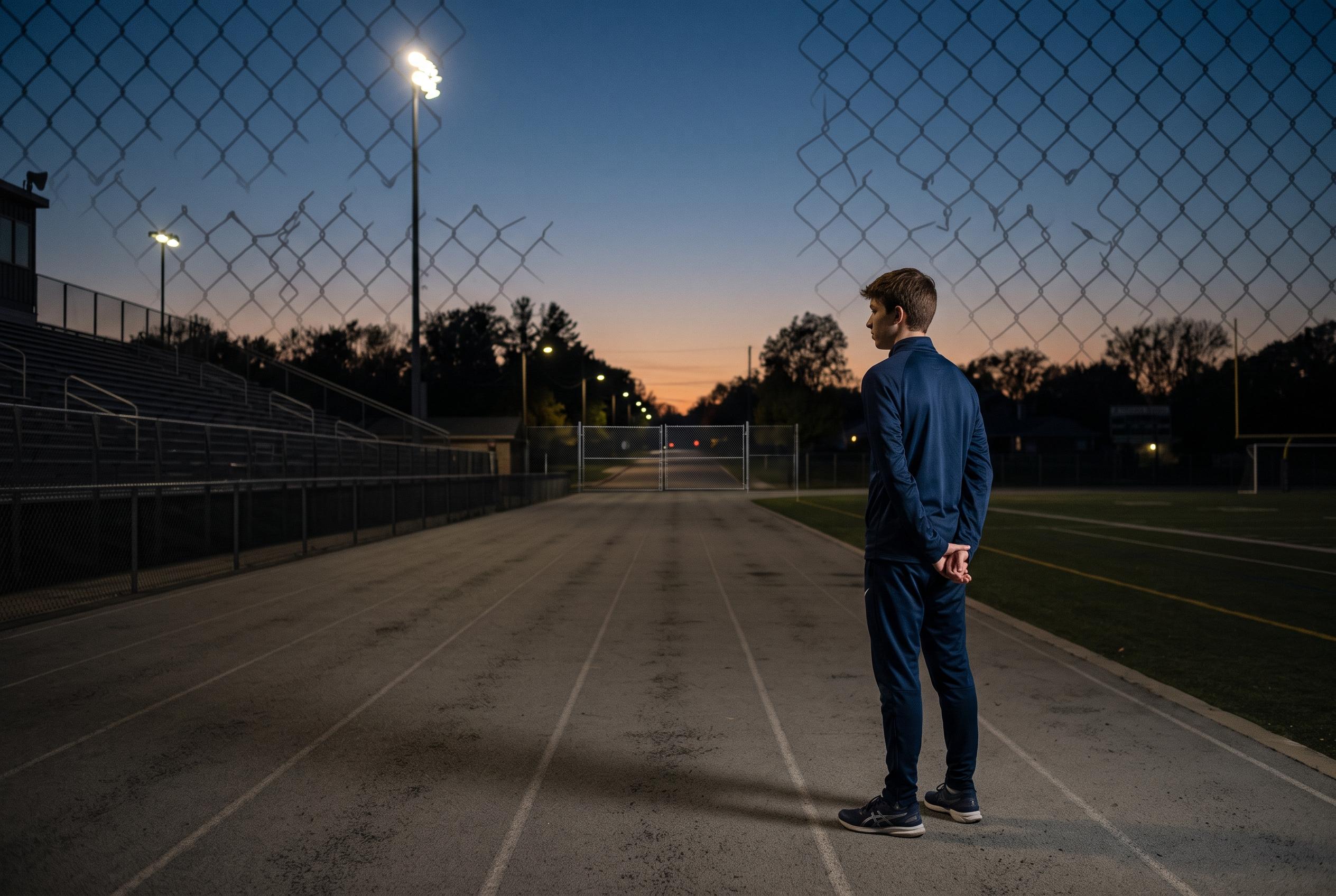

ProPublica reports that the US Centre for SafeSport’s limited authority and procedural delays may be leaving young athletes exposed to abuse despite efforts to safeguard them within Olympic-linked sports frameworks.
Parents trying to navigate youth sport often face a system that is meant to protect children but can be difficult to understand in practice. Reporting by ProPublica says many families say they were left without clear information about how abuse allegations are handled, even as coaches, clubs and governing bodies operate within a framework built around the U.S. Center for SafeSport.
According to SafeSport, the centre is the independent body charged by Congress with responding to abuse and misconduct in the U.S. Olympic and Paralympic movement. It investigates complaints involving sexual, emotional and physical abuse, can suspend coaches while cases are examined, and keeps a public database of sanctioned individuals. It was created in 2017 and sits at the centre of efforts to police misconduct across Olympic-linked sports.
But the system is limited. SafeSport’s authority extends to the 50 national governing bodies overseen by the U.S. Olympic and Paralympic Committee, which means millions of young athletes fall outside its direct reach or are only partly covered. ProPublica notes that even when a coach is banned, that person may still be able to work elsewhere if the new club or league is not subject to SafeSport’s rules.
The organisation also requires training for coaches and other adults, with rules intended to stop harmful behaviour such as being alone with a minor. Parents can take the training too, although it is not mandatory. ProPublica says that can matter because grooming often begins with small boundary crossings that children and adults may not immediately recognise, and one mother interviewed by the publication said she only understood those warning signs after watching a SafeSport training video with her daughter.
SafeSport has also faced criticism over delayed cases and complaints that some matters were closed without sufficient scrutiny. The centre says it has worked to improve case handling and reduce its backlog. In a statement, its chief executive, Benita Fitzgerald Mosley, said the organisation “acknowledges the challenges we have met as the first national sport safeguarding organisation in the world. We are on surer footing today.” ProPublica says its own reporting has found continuing gaps that can leave young athletes exposed.
For parents, the immediate advice is practical: find out whether a child’s team is under a national governing body covered by SafeSport, check the public database, and learn the warning signs of grooming and abuse. ProPublica is also asking families to come forward with examples of banned coaches still working with children and other failures in how abuse allegations have been handled.
Disclaimer: This content is for informational purposes only and is not intended to be a substitute for professional medical judgment, advice, diagnosis, or treatment.